Skip to content
  • LinkedIn
  • X
  • Facebook
  • Instagram
  • Reddit
  • Spotify
  • RSS Feed
  • News
  • Blog
    • Industry Insights
    • Expert Profiles
    • Biochar Decoded
    • Ask Annie
  • Announcements
  • Podcast
  • Videos
  • Insights
  • Use Cases
    • Agriculture
    • Horticulture
    • Livestock
    • Landscaping
    • Building Materials
    • Concrete / Asphalt
    • Reforestation
    • Soil Remediation
    • Water Treatment
    • Carbon Sequestration
  • About
    • About Biochar Today
    • Partner Directory
    • Editorial Guidelines
    • Contact

water remediation

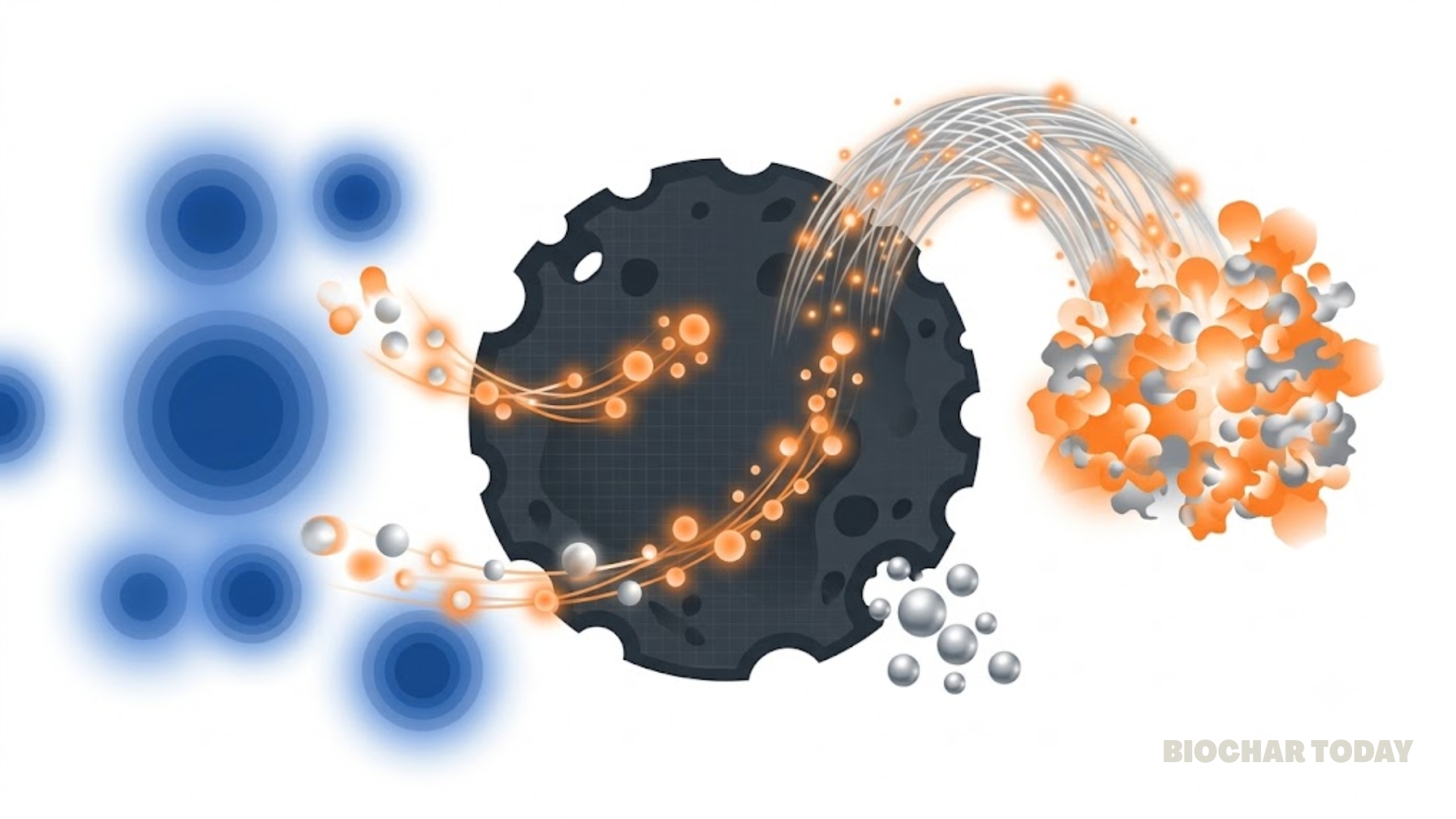
  • pH-Controlled Nano-Biochar Reaction Drives 2.5-Fold Speed Boost in Silver Recovery

    pH-Controlled Nano-Biochar Reaction Drives 2.5-Fold Speed Boost in Silver Recovery

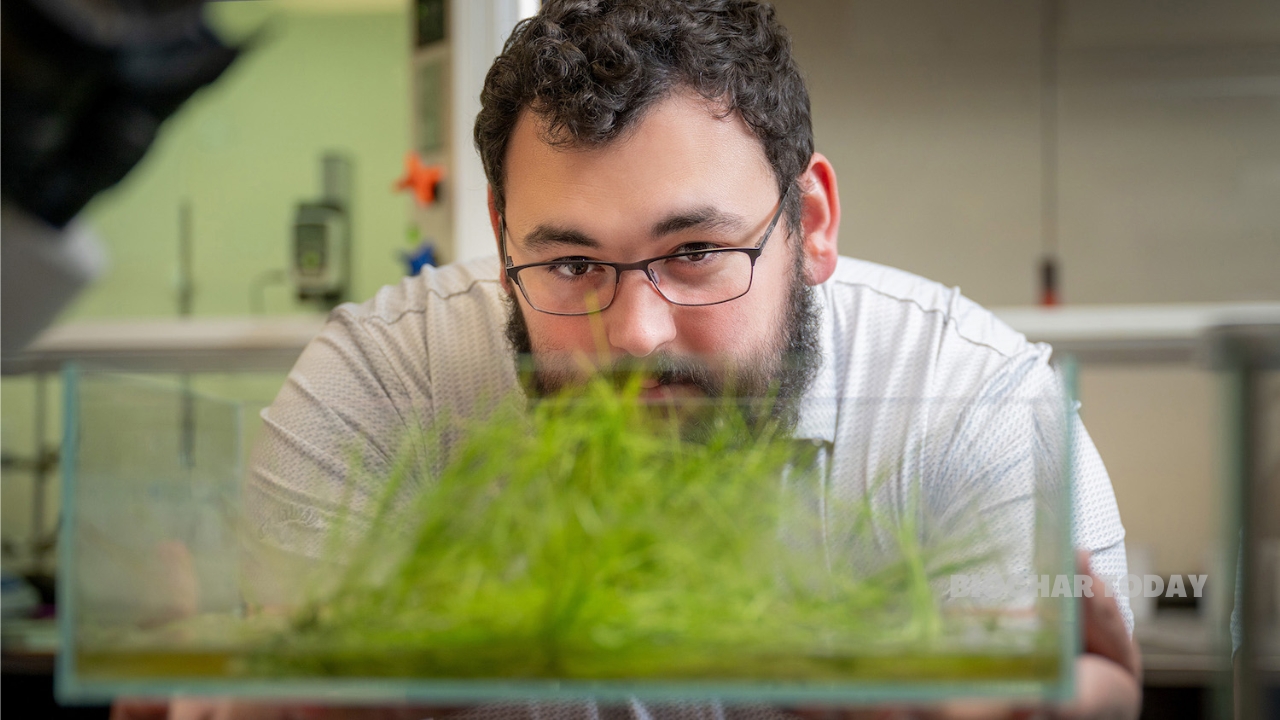
  • Ceretune and NC State University Develop Floating Bioscaffolds for Aquatic Nutrient Capture and Biochar Conversion

    Ceretune and NC State University Develop Floating Bioscaffolds for Aquatic Nutrient Capture and Biochar Conversion

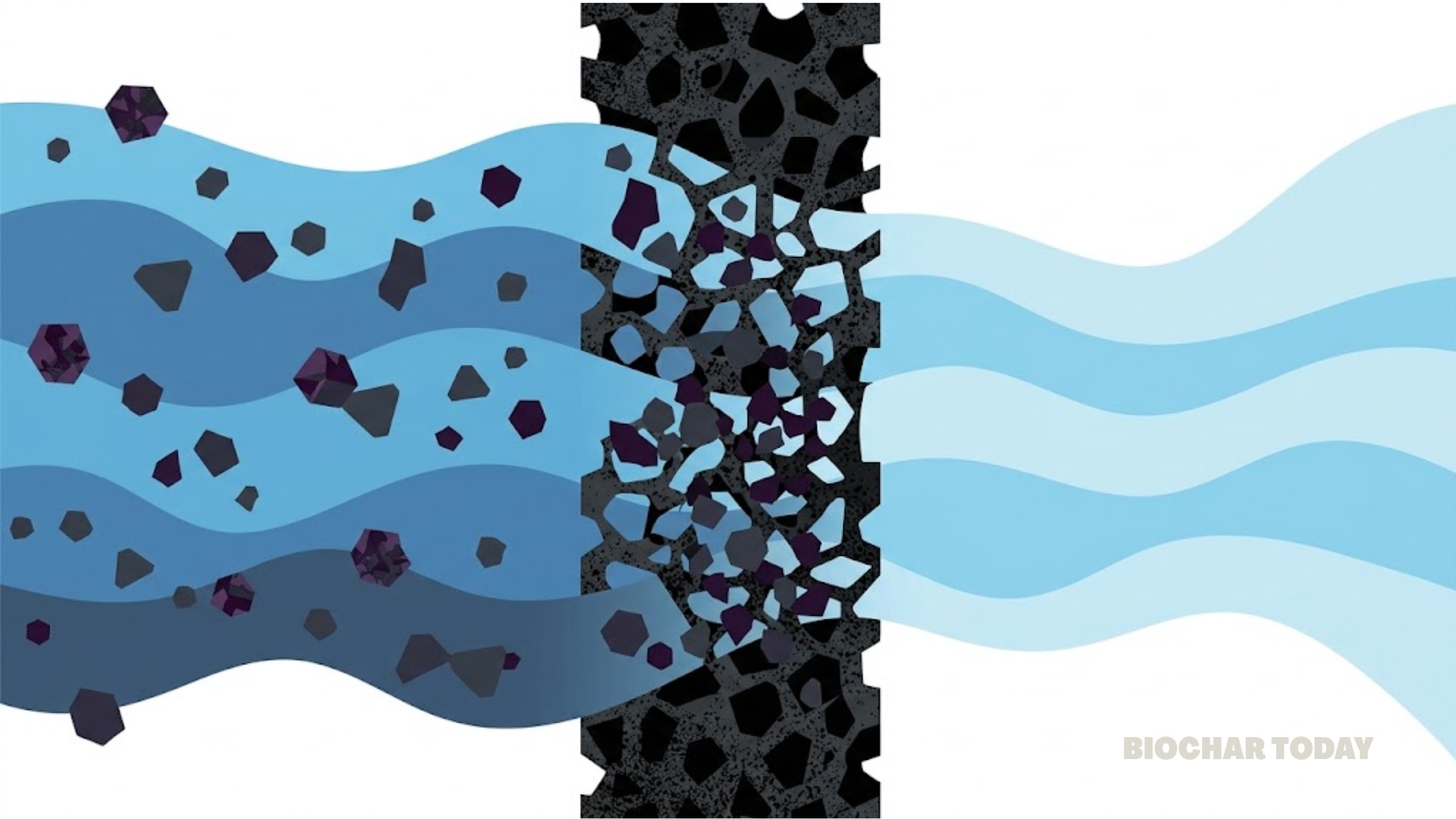
  • Florida International University Develops Reusable Biochar Composite Filters from Rice Husk Waste to Treat Water Pollutants

    Florida International University Develops Reusable Biochar Composite Filters from Rice Husk Waste to Treat Water Pollutants

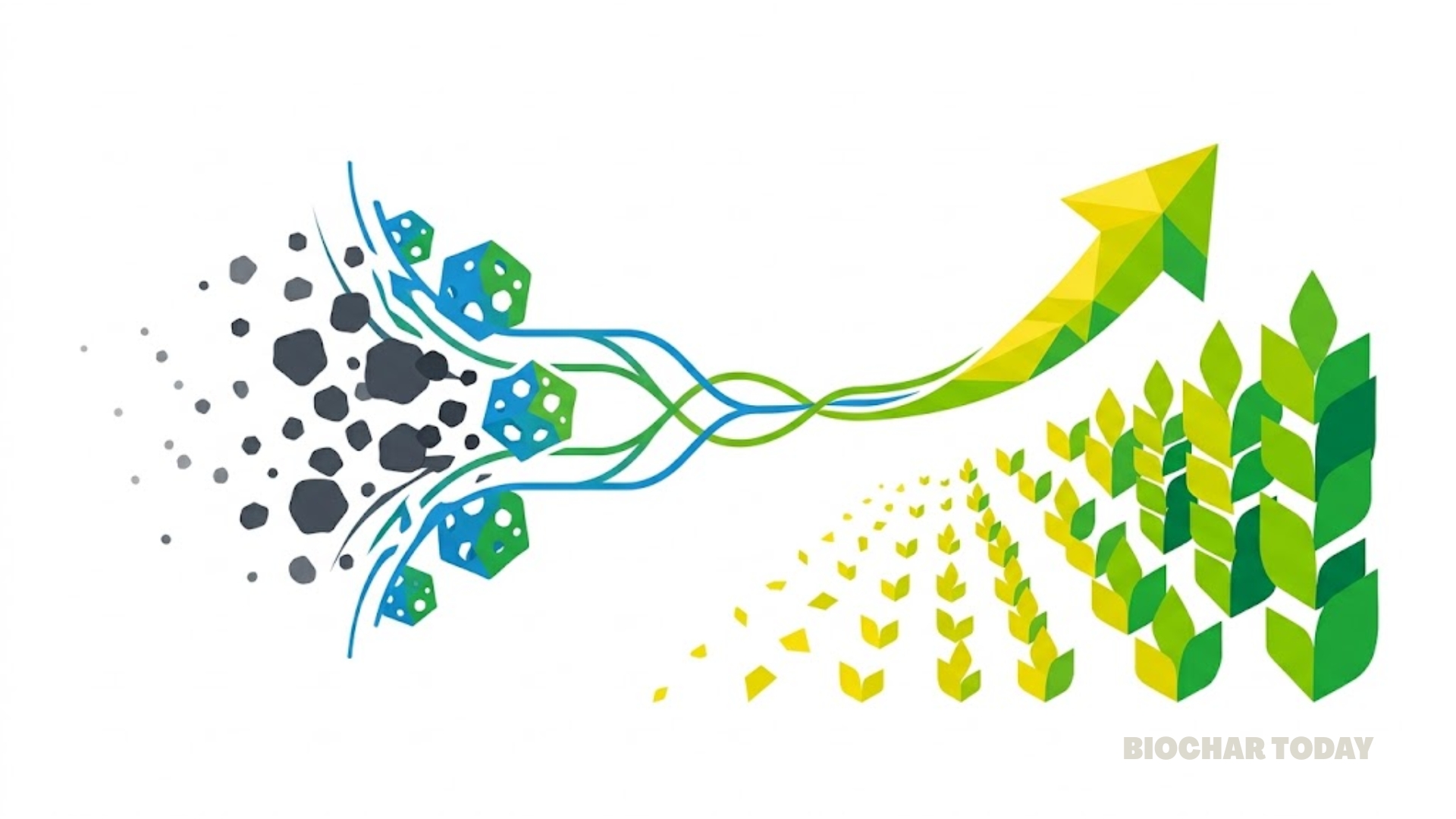
  • Study Highlights Potential of Biochar to Remove 95 Percent of Agricultural Pollutants and Double Crop Yields

    Study Highlights Potential of Biochar to Remove 95 Percent of Agricultural Pollutants and Double Crop Yields

  • Biochar Offers Low Cost Solution for Removing Forever Chemicals from Water and Soil

    Biochar Offers Low Cost Solution for Removing Forever Chemicals from Water and Soil

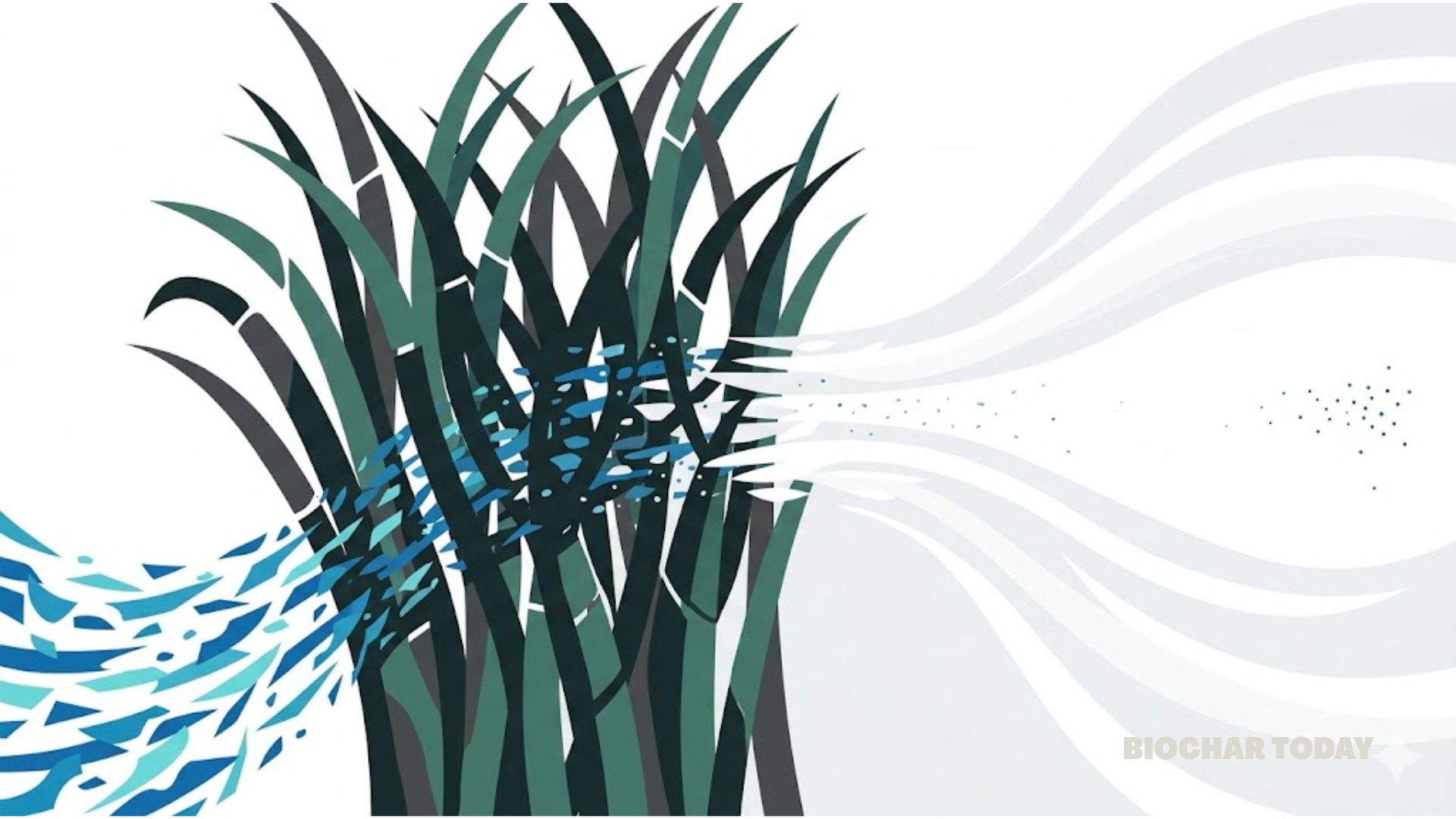
  • Giant Grass Biochar Composite Achieves Over Ninety Three Percent Removal of Toxic Methylene Blue Dye

    Giant Grass Biochar Composite Achieves Over Ninety Three Percent Removal of Toxic Methylene Blue Dye

  • Modified Sawdust Biochar Composite Increases Lead and Cadmium Removal Capacity to Over Four Hundred Milligrams Per Gram

    Modified Sawdust Biochar Composite Increases Lead and Cadmium Removal Capacity to Over Four Hundred Milligrams Per Gram

  • Calcium-Modified Biochar Achieves High Phosphorus Adsorption of 292.1 Milligrams Per Gram

    Calcium-Modified Biochar Achieves High Phosphorus Adsorption of 292.1 Milligrams Per Gram

  • Tailoring Biochar Properties with a New Modular Strategy Can Increase Adsorption Capacity for Harmful Chemicals by Nearly Three Times

    Tailoring Biochar Properties with a New Modular Strategy Can Increase Adsorption Capacity for Harmful Chemicals by Nearly Three Times

  • Selective Hydrogen Bonding Increases Doxycycline Adsorption Rates on Biochar by Over Fifty Percent Compared to Other Tetracyclines

    Selective Hydrogen Bonding Increases Doxycycline Adsorption Rates on Biochar by Over Fifty Percent Compared to Other Tetracyclines

1 2 3 … 5
Next Page
  • LinkedIn
  • X
  • Facebook
  • Instagram
  • Reddit
  • Spotify
  • RSS Feed

GET THE NEWSLETTER

  • Resources
  • Glossary
  • Partner Directory
  • About
  • Editorial Guidelines
  • Contact
  • Privacy Policy
  • Disclaimer

John Webster – Operations
Timothy Harfield – Founding Editor


Loading Comments...