Skip to content
LinkedIn
X
Facebook
Instagram
Reddit
Spotify
RSS Feed
Search
News
Blog
Industry Insights
Expert Profiles
Biochar Decoded
Ask Annie
Announcements
Podcast
Videos
Insights
Use Cases
Agriculture
Horticulture
Livestock
Landscaping
Building Materials
Concrete / Asphalt
Reforestation
Soil Remediation
Water Treatment
Carbon Sequestration
About
About Biochar Today
Partner Directory
Editorial Guidelines
Contact
Water Filtration
Bean Husk Biochar Achieves Up to 94.7 Percent Removal Efficiency for Toxic Lead and Chromium in Wastewater Treatment
Invasive Plant Biomass Composite Achieves Record Fluoride Adsorption of 469.64 Milligrams Per Gram Across Broad pH Range
Defect-Engineered Electrophilic Biochar Achieves Over 99 Percent Radical Selectivity for Water Decontamination
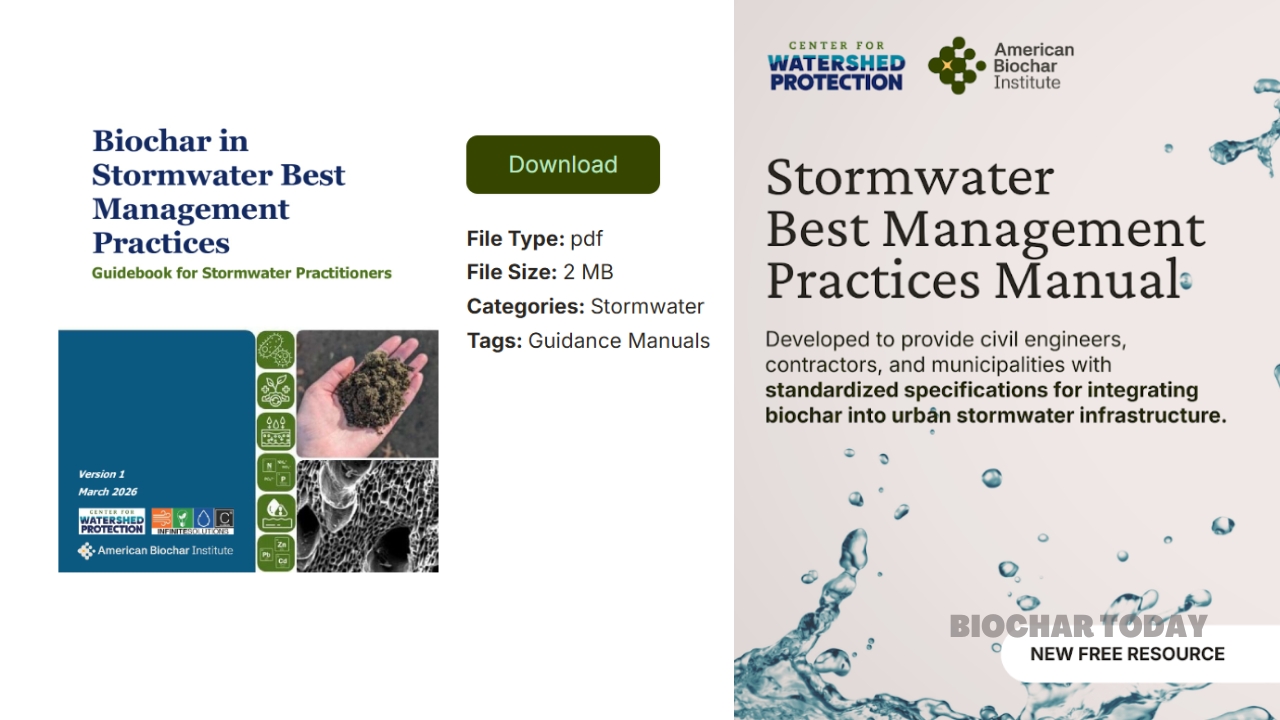
A Review of ‘Biochar in Stormwater BMPs- Guidebook for Stormwater Practitioners’ For ABI, Prepared By CWP and Infinite Solutions
Bamboo Carbon Reaches 903.7 Square Meters Per Gram Surface Area and Captures 80.68 Percent of Aquatic Contaminants
Coconut Husk Biochar Reaches Peak Ninety-Nine Percent Extraction Efficiency for Cadmium and Chromium in Landfill Wastewater
American Biochar Institute, Center for Watershed Protection and Infinite Solutions Release National Guidebook for Stormwater Management
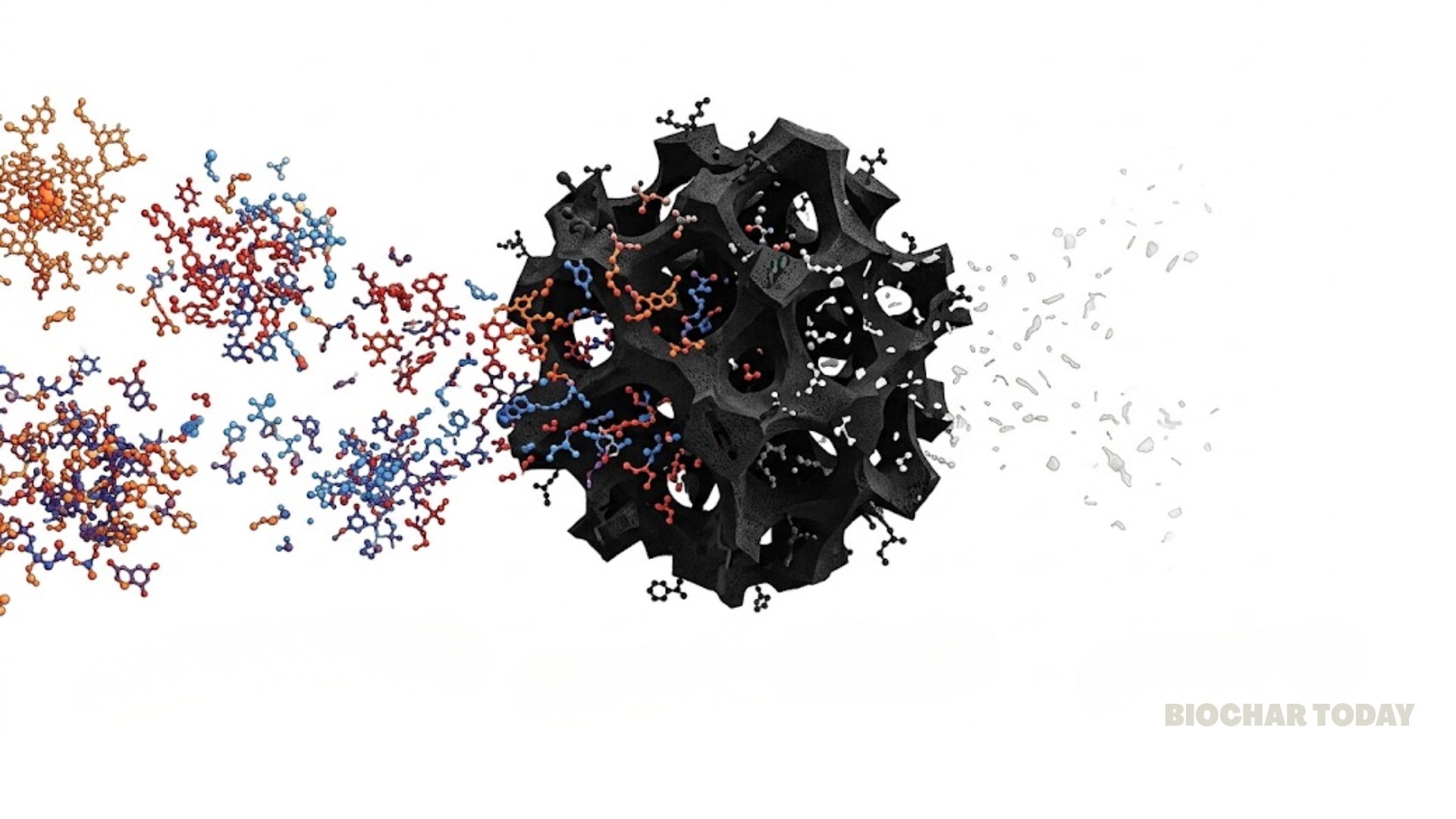
Engineered Biochar Substrates Increase Contaminant Decomposition Rates by Over Ninety Percent in Multi-Solute Systems
Canna indica Biochar and Ozone Process Lowers Water Contamination by over 96%
Rice Residue Biochar Demonstrates Pollutant Sorption Capacities of up to One Hundred Milligrams per Gram for Wastewater Remediation
1
2
3
…
7
Next Page
Loading Comments...
Write a Comment...
Email (Required)
Name (Required)
Website