Skip to content
LinkedIn
X
Facebook
Instagram
Reddit
Spotify
RSS Feed
Search
News
Blog
Industry Insights
Expert Profiles
Biochar Decoded
Ask Annie
Announcements
Podcast
Videos
Insights
Use Cases
Agriculture
Horticulture
Livestock
Landscaping
Building Materials
Concrete / Asphalt
Reforestation
Soil Remediation
Water Treatment
Carbon Sequestration
About
About Biochar Today
Partner Directory
Editorial Guidelines
Contact
Carbon Sequestration
Tree Rings Formed During the Nineteen Sixties Nuclear Tests Enable Tracking of Over Zero Point Three Percent Biochar Mineralization in Soils Over One Year
Navigating National Biochar Deployment: Four Plausible Scenarios and the Critical Uncertainties Shaping the Future of Carbon Removal
Just 0.35 Percent of Added Biochar Carbon Mineralizes in Soil After One Year
Screening Emerging Net Zero Technologies Identifies Key Air and Water Monitoring Gaps
Engineered Amazonian Dark Earth Microbes Boost Non-Native Soil Carbon Sequestration Capacity to Enhance Climate Resilience
Climate Change-Induced Extreme Weather Events Cause Shifts in Soil Organic Carbon Input, Microorganism Activity, and System-Wide Retention Across Global Ecosystems
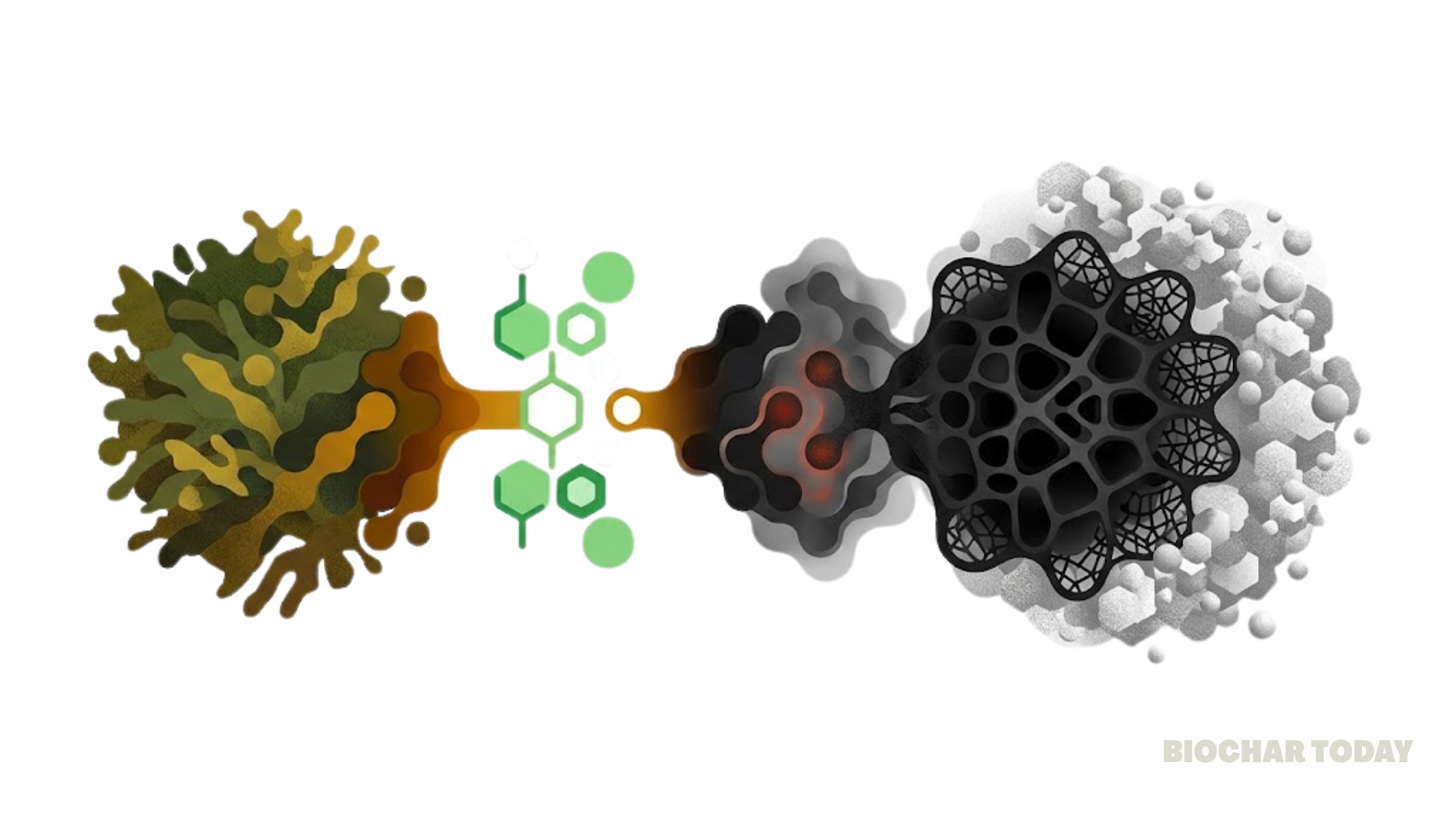
KOH Activation Before Low-Temperature Pyrolysis Maximizes Sargassum Biochar CO2 Capture Capacity to 120.5 mg/g
Pre-Pyrolysis Potassium Hydroxide Activation of Sargassum Biochar Achieves 120.5 Milligrams per Gram Carbon Dioxide Capture Capacity
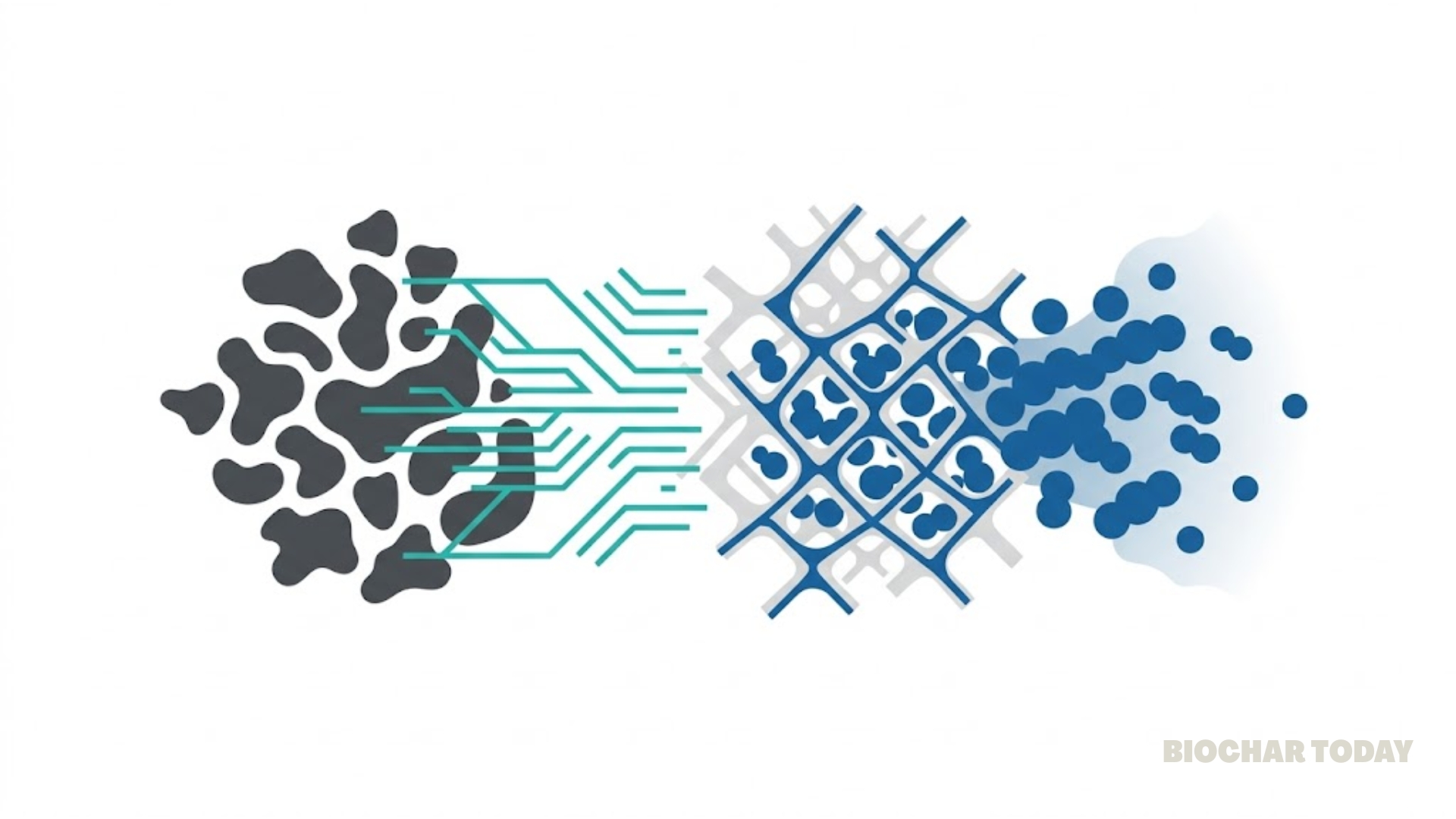
Mathematical Models Reveal Up to 3.82 Millimoles Per Gram Carbon Capture Potential in Biochar
Storing One Hundred Fifteen Million Tons of Forestry Residues Annually Offers Cost Effective Carbon Removal Potential
1
2
3
…
6
Next Page
Loading Comments...
Write a Comment...
Email (Required)
Name (Required)
Website