Skip to content
LinkedIn
X
Facebook
Instagram
Reddit
Spotify
RSS Feed
Search
News
Blog
Industry Insights
Expert Profiles
Biochar Decoded
Ask Annie
Announcements
Podcast
Videos
Insights
Use Cases
Agriculture
Horticulture
Livestock
Landscaping
Building Materials
Concrete / Asphalt
Reforestation
Soil Remediation
Water Treatment
Carbon Sequestration
About
About Biochar Today
Partner Directory
Editorial Guidelines
Contact
Carbon Sequestration
Deploying Biochar with Bioenergy Crops in China for Cost-Effective Carbon Dioxide Removal
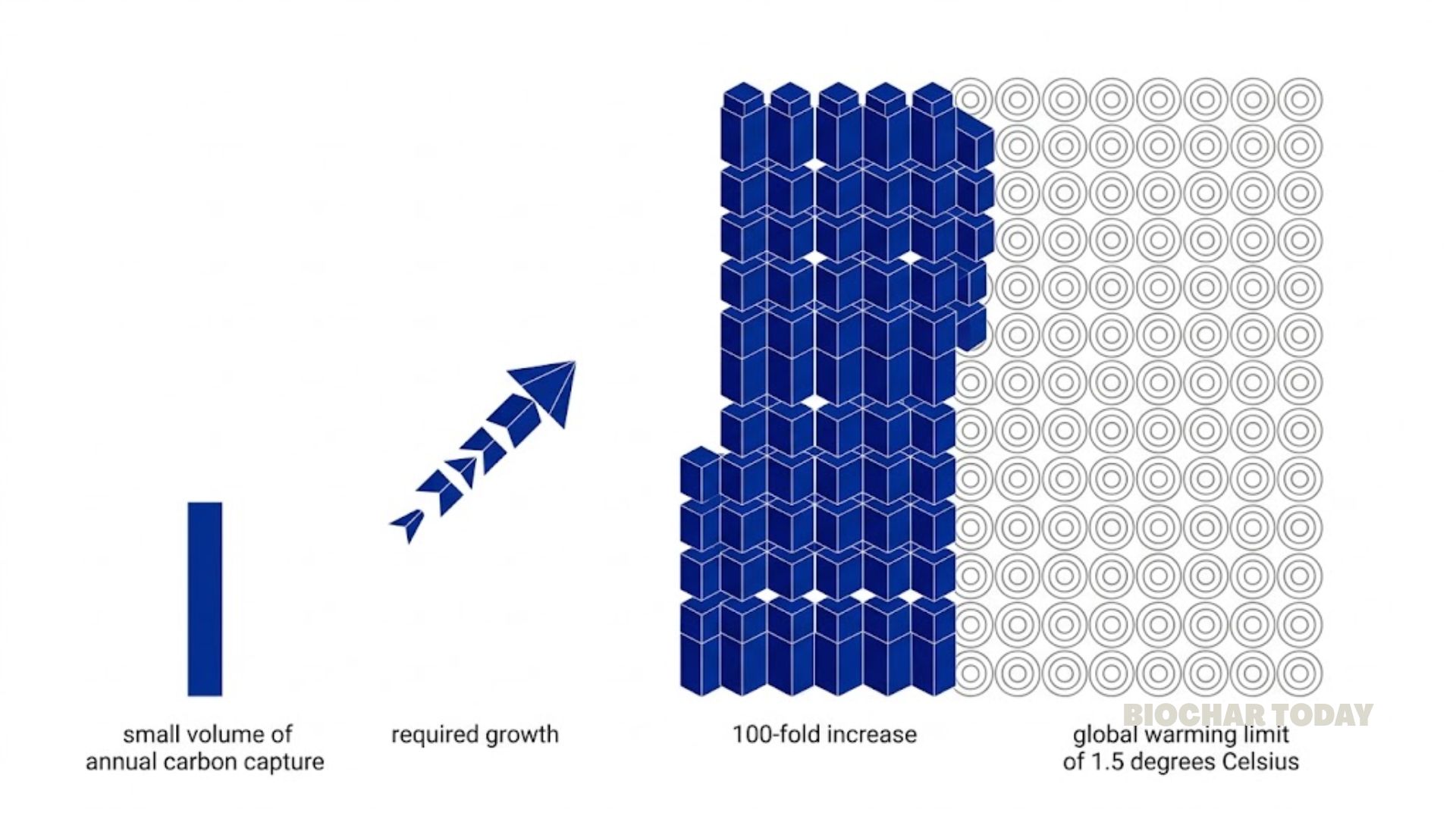
100-Fold Increase in Annual Carbon Capture Required to Limit Global Warming to 1.5 Degrees Celsius
Computational Framework Achieves Optimal Dual-Function Biochar for Carbon Sequestration and Energy Storage
Sustainable Bioplastics from Organic Waste Offer Significant Potential for Carbon Reductions and Process Efficiency
High-Temperature Biochar Exceeding 700°C Maximizes Carbon Stability for 1,000 Years While Low-Temperature Variants Between 350°C and 500°C Optimize Soil Co-Benefits
Enhancing Carbon Capture Efficiency Through Nitrogen and Phosphorus Doping of Biochar for Sustainable Climate Mitigation
Low-Carbon Alkali-Activated Materials Reduce Greenhouse Gas Emissions by Up to Sixty Percent
India Can Supply Up to Thirty Percent of Global Durable Carbon Removal Capacity by 2050
Global Biochar Capacity Reaches 324,000 Tonnes with Sustainable Removal Potential of 2.7 Gigatonnes Annually
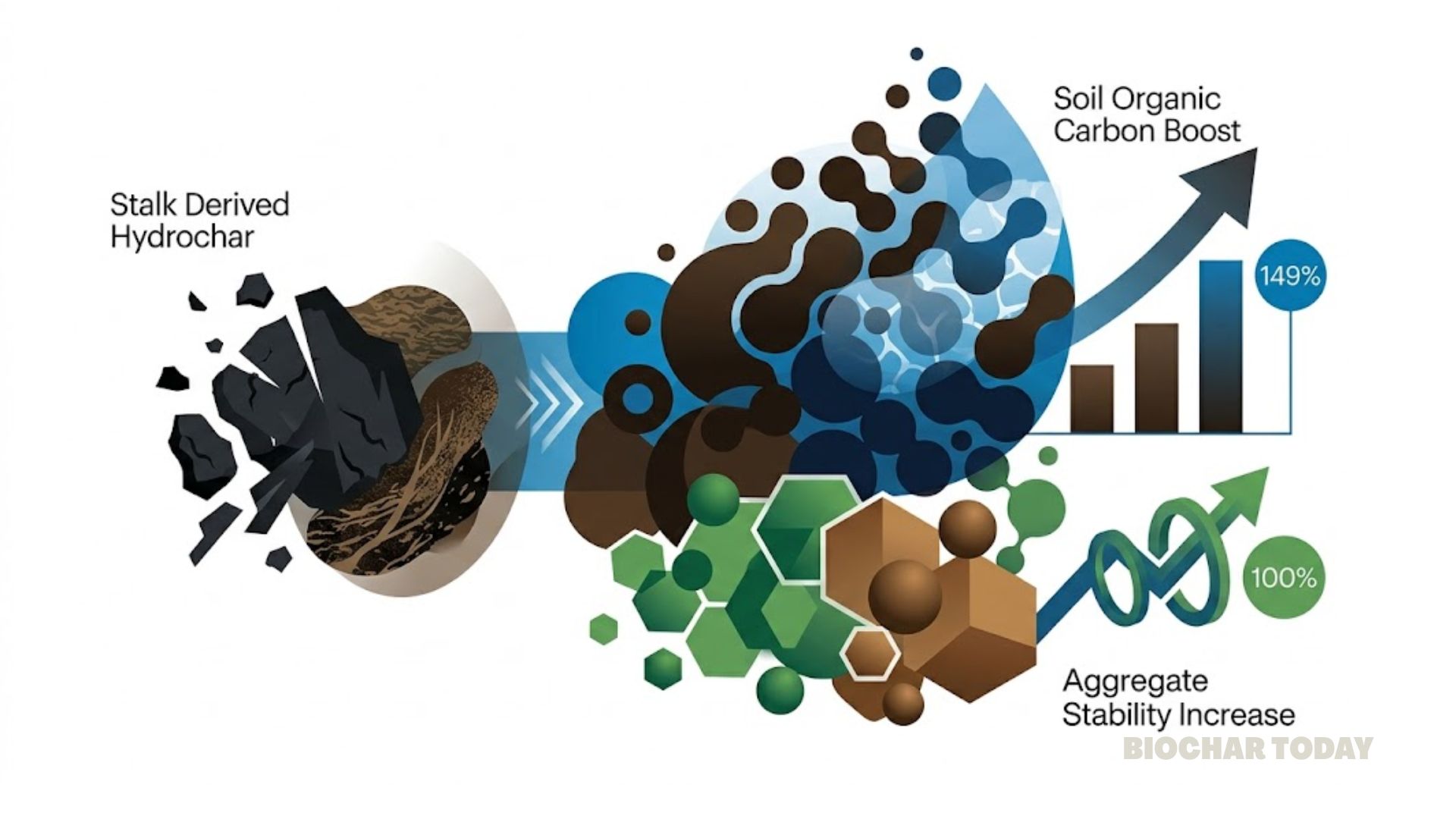
Stalk Derived Hydrochar Boosts Soil Organic Carbon by 149 Percent and Increases Aggregate Stability by 100 Percent
Previous Page
1
2
3
4
5
Next Page
Loading Comments...
Write a Comment...
Email (Required)
Name (Required)
Website