
Key Takeaways
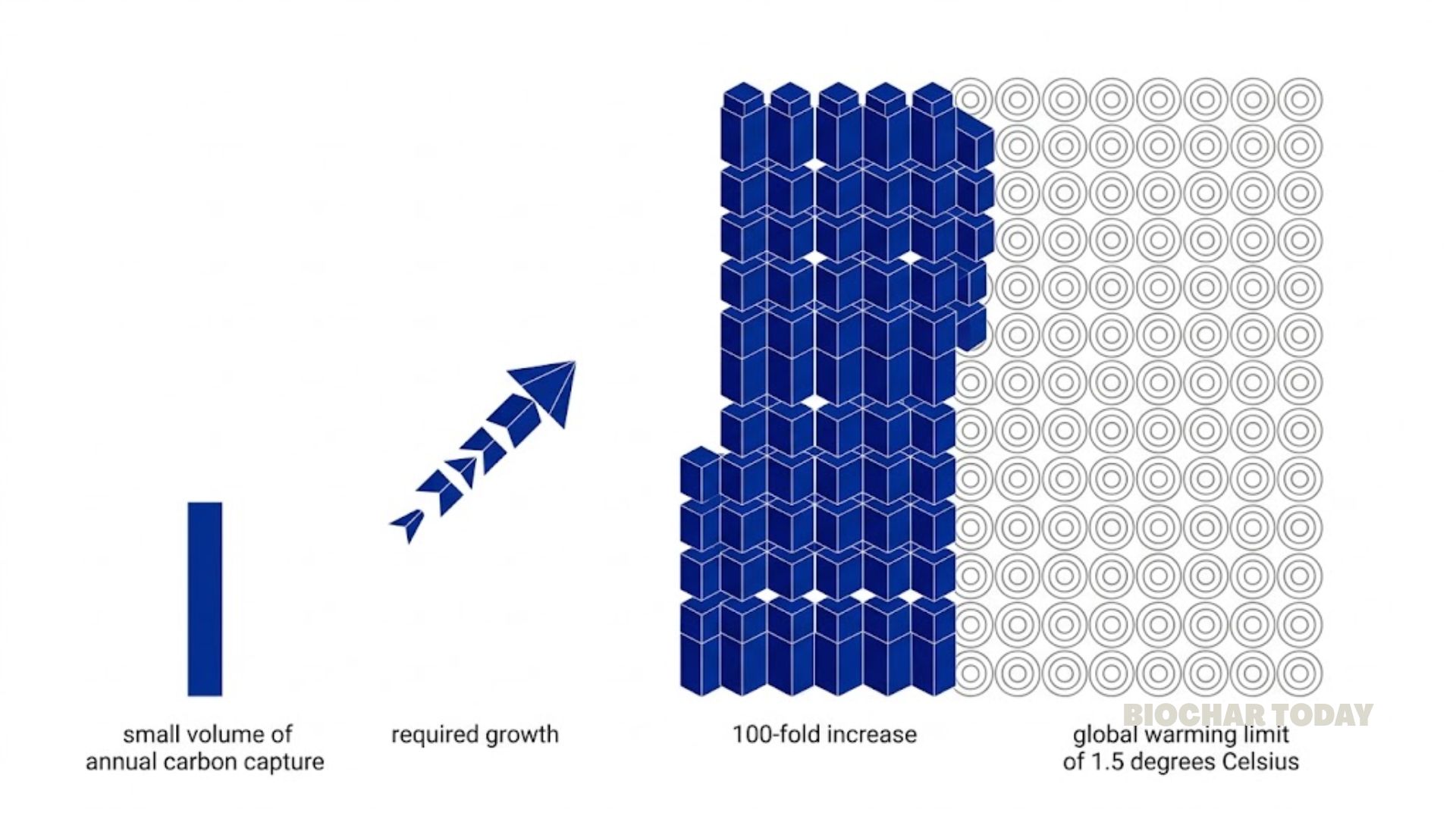
- A massive surge in worldwide carbon management capabilities is essential to prevent severe impacts from shifting global temperatures.
- Traditional liquid chemical techniques remain the dominant strategy for stripping greenhouse gases from heavy manufacturing facilities.
- Innovative solid materials and electricity-driven capture methods are emerging as low-energy alternatives to reduce operational expenses.
- Extreme moisture, high temperatures, and chemical degradation pose persistent engineering hurdles across multiple filtration methods.
- Emerging mineralization strategies provide a unique pathway to permanently lock away greenhouse gases into durable solid materials.
To curb the worst impacts of global warming, a major shift in industrial infrastructure is vital, especially within the heavy sectors that form the backbone of modern society. A comprehensive evaluation published in the journal Nature Reviews Chemistry by lead author Jeannie Z. Y. Tan and a team of international researchers details the chemical foundations and deployment status of technologies poised to transform industrial decarbonization. While commercial facilities managed to capture approximately 50 million tonnes of carbon dioxide globally as of 2024, this volume represents only a small fraction of what is necessary to limit global temperature rises to 1.5 degrees Celsius. Heavy manufacturing processes, including cement production, iron smelting, steel fabrication, petroleum refining, and chemical synthesis, collectively produce immense volumes of greenhouse gases that cannot be easily eliminated through renewable electricity alone. Consequently, catching these emissions directly at the point source before they enter the atmosphere has emerged as an indispensable cross-cutting strategy for a net zero world.
The chemical mechanisms driving these separation technologies fundamentally dictate their overall performance, energy requirements, and financial viability. Liquid-based chemical absorption remains the most mature and widely implemented approach globally, relying on reactive solvents to bind with greenhouse gases. While traditional single-amine systems achieve high capture efficiencies, they suffer from a severe energy penalty during the thermal regeneration phase, often accounting for the vast majority of plant operating expenses. To mitigate these drawbacks, industrial facilities are increasingly turning to blended amine solutions and phase-split liquid absorbents that reduce the heat required for bond cleavage. Meanwhile, physical absorption techniques utilize chilled solvents at low temperatures to treat highly concentrated gas streams, though high solvent viscosity can restrict mass transfer rates under extreme conditions.
In contrast to liquid solvents, solid-state adsorption offers a promising alternative that typically operates with lower energy demands for material regeneration. Solid separation processes rely on physical or chemical interactions at gas-solid interfaces using highly porous materials like crystalline aluminosilicates, activated carbons, and polymeric resins. Metal-organic frameworks have attracted substantial interest due to their exceptional porosityPorosity of biochar is a key factor in its effectiveness as a soil amendment and its ability to retain water and nutrients. Biochar’s porosity is influenced by feedstock type and pyrolysis temperature, and it plays a crucial role in microbial activity and overall soil health. Biochar More and tunable chemical properties, which enable highly selective gas trapping. By introducing nitrogen-containing groups or open metal sites into these porous frameworks, scientists can significantly boost intake capacity, though real-world hurdles like sensitivity to water vapor and material degradation over repeated cycles must still be overcome.
Membrane-based systems present another rapidly developing category that avoids waste streams and requires no regeneration energy. These technologies utilize either porous structures operating via molecular sieving and surface diffusion or non-porous dense barriers that rely on solution-diffusion mechanisms. While polymeric membranes are already deployed in natural gas processing, they face significant limitations, such as swelling at high pressures and reduced selectivity at elevated temperatures. Researchers are actively synthesizing advanced copolymers with alternating rigid and flexible blocks to maintain structural integrity while optimizing gas permeability. Additionally, robust inorganic membranes made from ceramics or metal oxides offer superior durability under harsh industrial conditions, though their high production costs currently limit widespread commercial evaluation.
Rounding out the modern technological portfolio are cryogenic gas separation and electroswing configurations. Cryogenic methods isolate greenhouse gases by refrigerating emissions streams to ultra-low temperatures, which yields an exceptionally pure liquid product but demands immense electricity for cooling, making it economically viable only for highly concentrated streams. Conversely, electroswing systems leverage electricity rather than heat or pressure changes to power the separation process. By using an applied voltage to activate and deactivate specialized electrodes, these electrochemical cells can capture and release gases at ambient room temperatures, drastically lowering thermal degradation risks. Finally, emerging carbon capture and mineralization pathways are shifting the paradigm by triggering chemical reactions that permanently transform captured gases into solid inorganic carbonates, repurposing industrial waste into durable feedstocks for the built environment.
Source: Tan, J. Z. Y., Uratani, J. M., Griffiths, S., Andresen, J. M., & Maroto-Valer, M. M. (2025). Chemistry advances driving industrial carbon capture technologies. Nature Reviews Chemistry, 9(10), 656–671. https://doi.org/10.1038/s41570-025-00733-3




Leave a Reply