• LinkedIn
  • X
  • Facebook
  • Instagram
  • Reddit
  • Spotify
  • RSS Feed
  • News
  • Blog
    • Ask Annie
    • Spill the Char
    • Expert Profiles
  • Videos
  • Use Cases
    • Agriculture
    • Horticulture
    • Livestock
    • Landscaping
    • Building Materials
    • Concrete / Asphalt
    • Reforestation
    • Soil Remediation
    • Water Treatment
    • Carbon Sequestration
  • The Biochar Show
  • Store
  • About
    • Partner Directory
    • Editorial Guidelines
    • Contact

environmental science

  • Sustainable Biochar Application Reduces Harmful Soil Chromium Availability by Eighty-Five Percent

    Sustainable Biochar Application Reduces Harmful Soil Chromium Availability by Eighty-Five Percent

  • Biochar Research Takes Off: Mapping the “Black Gold” Rush in Agriculture

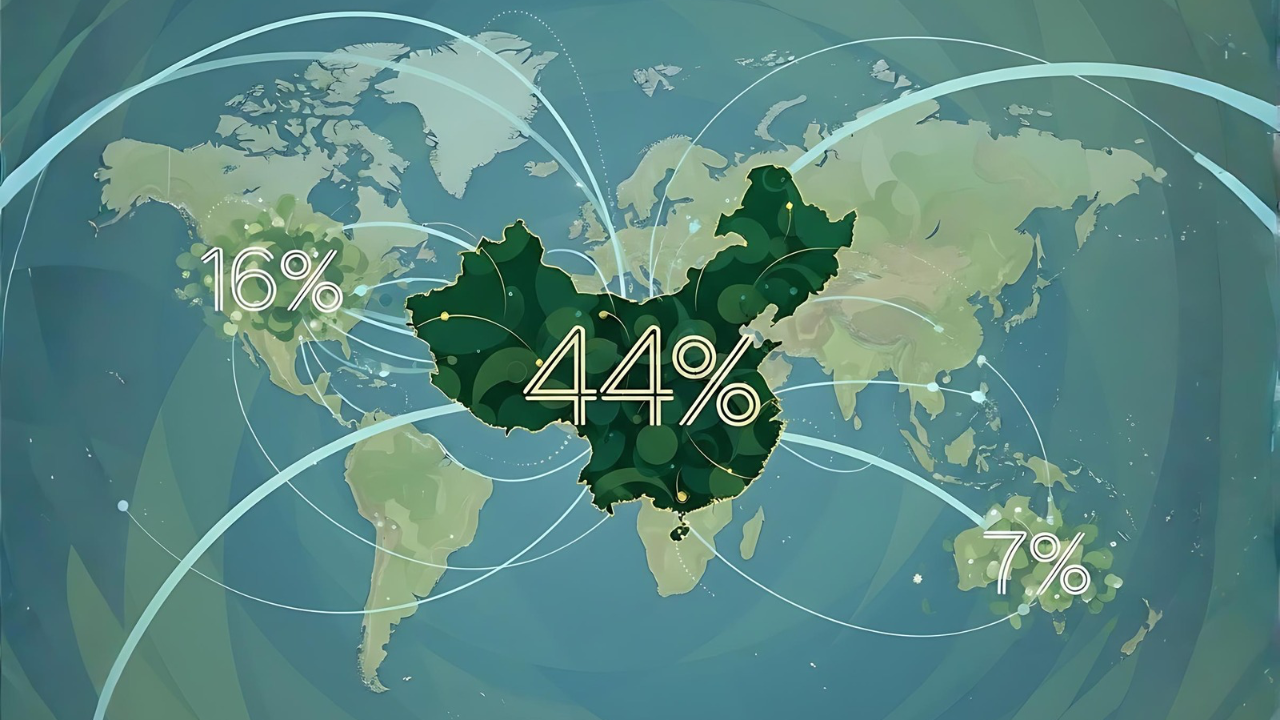
    Biochar Research Takes Off: Mapping the “Black Gold” Rush in Agriculture

  • What’s in a lump of charcoal? The science of biochar characterization

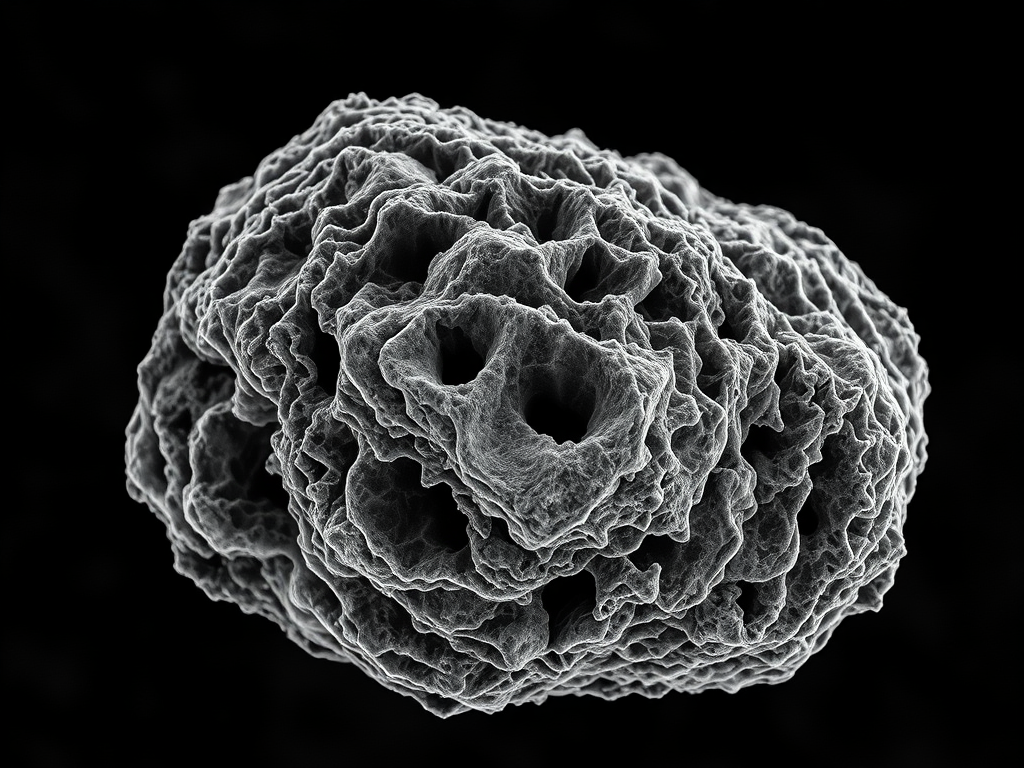
    What’s in a lump of charcoal? The science of biochar characterization

  • Spilling the Char-coal-mates and fights : Why Biochar and Biocoal Are Not the Same

    Spilling the Char-coal-mates and fights : Why Biochar and Biocoal Are Not the Same

  • Biochar from Waste Materials Cleans Water with 87.39 mg/g Adsorption Capacity

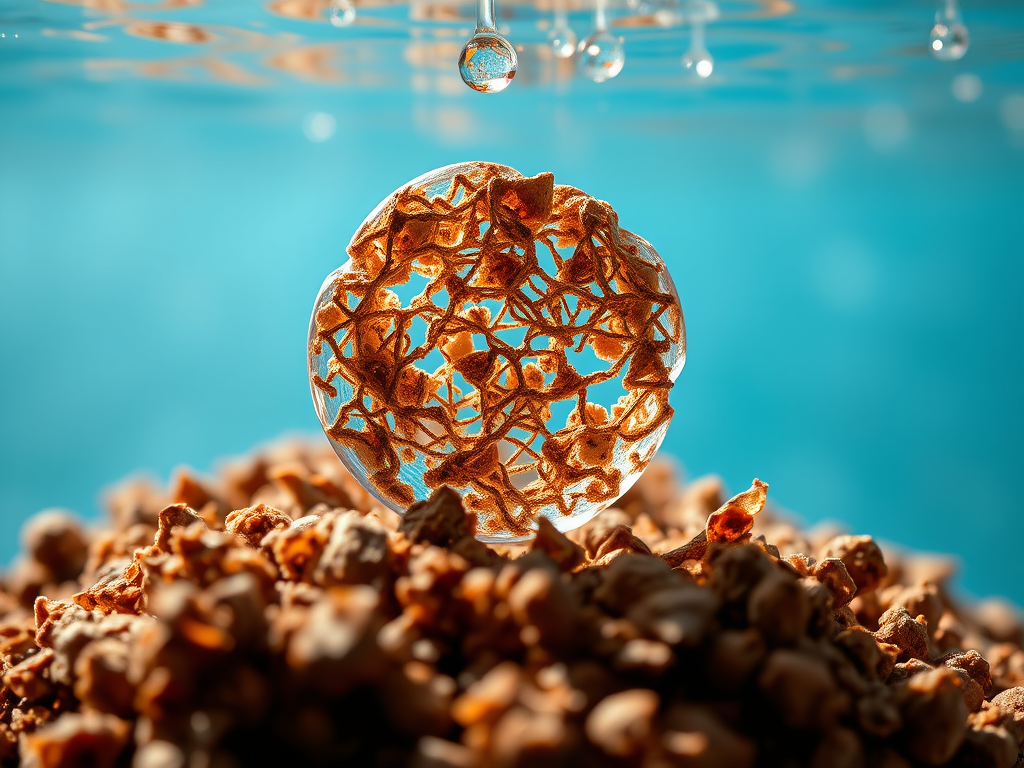
    Biochar from Waste Materials Cleans Water with 87.39 mg/g Adsorption Capacity

  • Florida Teen Proposes Promising Path for Biochar in Golf Course Maintenance

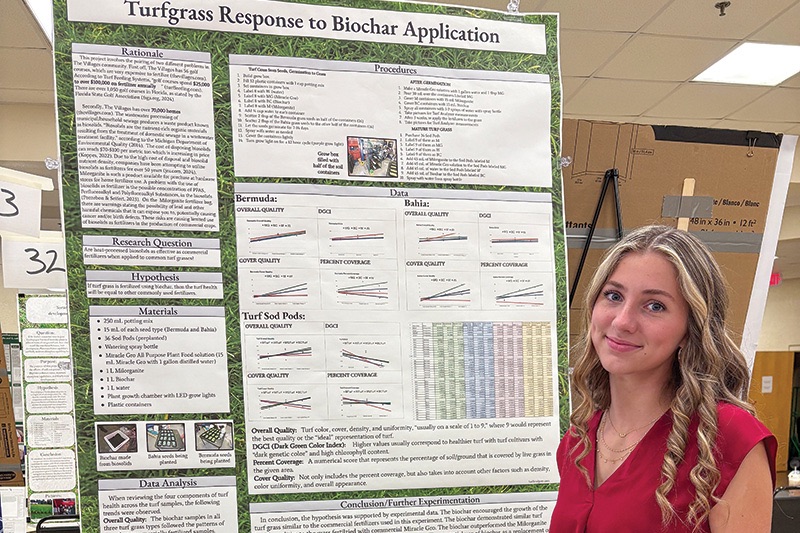
    Florida Teen Proposes Promising Path for Biochar in Golf Course Maintenance

  • Biochar Boost: Sewage Sludge and Maize Straw Enhance Soil Remediation by 158%

    Biochar Boost: Sewage Sludge and Maize Straw Enhance Soil Remediation by 158%

  • XGBoost Algorithm Achieves 97.4% Accuracy in Predicting Organic Material Adsorption on Biochar

    XGBoost Algorithm Achieves 97.4% Accuracy in Predicting Organic Material Adsorption on Biochar

  • Biochar Boosts Paddy Soil Health: 1.01 to 1.20 pH Increase Observed

    Biochar Boosts Paddy Soil Health: 1.01 to 1.20 pH Increase Observed

  • Biochar Composite Achieves 60.86 mg/g Copper and 46.98 mg/g Lead Adsorption

    Biochar Composite Achieves 60.86 mg/g Copper and 46.98 mg/g Lead Adsorption

1 2 3 4
Next Page
  • LinkedIn
  • X
  • Facebook
  • Instagram
  • Reddit
  • Spotify
  • RSS Feed

GET THE NEWSLETTER

By clicking subscribe, you agree to share your email address with the site owner and Mailchimp to receive marketing, updates, and other emails from the site owner. Use the unsubscribe link in those emails to opt out at any time.

Processing…
Success! You're on the list.
Whoops! There was an error and we couldn't process your subscription. Please reload the page and try again.
  • Resources
  • Glossary
  • Partner Directory
  • About
  • Editorial Guidelines
  • Contact
  • Privacy Policy
  • Disclaimer


Loading Comments...