
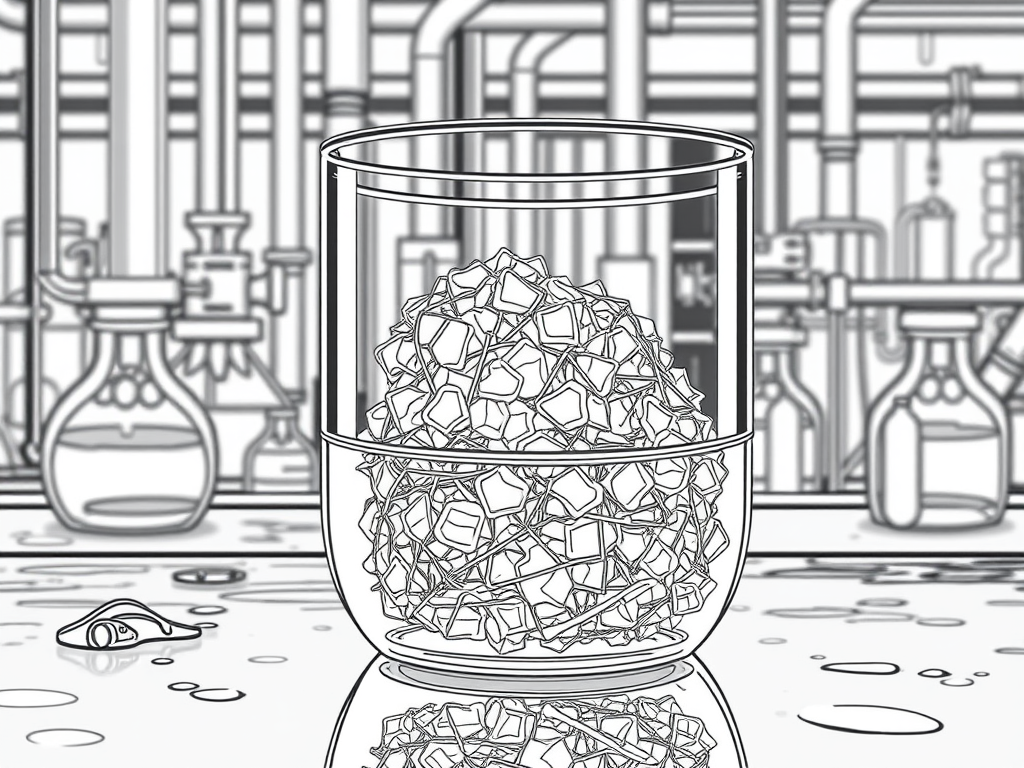
Wang et al., published a study in ACS Omega that explores the effectiveness of a biocharBiochar is a carbon-rich material created from biomass decomposition in low-oxygen conditions. It has important applications in environmental remediation, soil improvement, agriculture, carbon sequestration, energy storage, and sustainable materials, promoting efficiency and reducing waste in various contexts while addressing climate change challenges. More composite in removing heavy metal ions from aqueous solutions. The researchers prepared a composite material from straw biochar and sludge and tested its ability to adsorb copper (II) and lead (II) ions. The study revealed that the biochar composite has a high adsorption capacity for both heavy metals, showing promise as a cost-effective solution for water remediation.
Heavy metal pollution in water bodies is a growing environmental concern due to industrialization and urbanization. These pollutants, including lead and copper, are highly toxic, persistent, and can accumulate in living organisms, posing significant threats to human health and ecosystems. Adsorption has emerged as a promising technique for removing heavy metals from water due to its affordability, eco-friendliness, and efficiency.
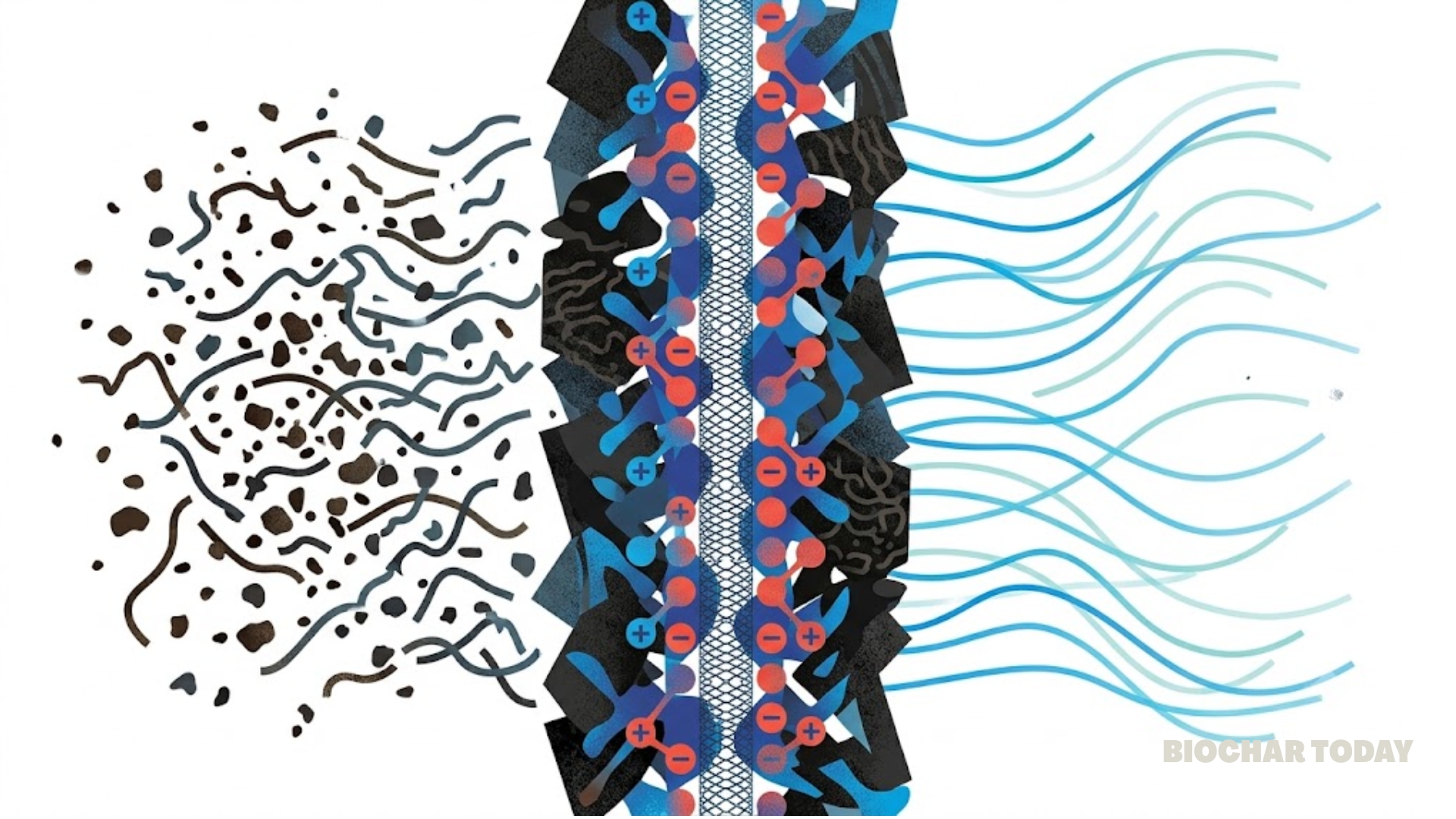
In this study, the authors produced a biochar composite by combining straw biochar with sludge and characterized it using scanning electron microscopy and Fourier transform infrared spectroscopy. The composite displayed a porous structure and abundant functional groups, which are crucial for effective adsorption. The maximum adsorption capacities of the composite were found to be 60.86 mg/g for copper (II) and 46.98 mg/g for lead (II), demonstrating its high efficiency in removing these pollutants from aqueous solutions.
SOURCE: Wang, X., Wang, X., Chen, W., Yuan, J., & Zhang, Q. (2025). Adsorption of Cu(II) and Pb(II) in Aqueous Solution by Biochar Composites. ACS Omega, XXX, XXX-XXX.




Leave a Reply