Skip to content
LinkedIn
X
Facebook
Instagram
Reddit
Spotify
RSS Feed
Search
News
Blog
Industry Insights
Expert Profiles
Biochar Decoded
Ask Annie
Announcements
Podcast
Videos
Insights
Use Cases
Agriculture
Horticulture
Livestock
Landscaping
Building Materials
Concrete / Asphalt
Reforestation
Soil Remediation
Water Treatment
Carbon Sequestration
About
About Biochar Today
Partner Directory
Editorial Guidelines
Contact
Services
adsorption
Lowering Nitrogen-to-Boron Ratios in Co-Doped Biochar Boosts Antibiotic Removal Efficiency by More Than Twofold
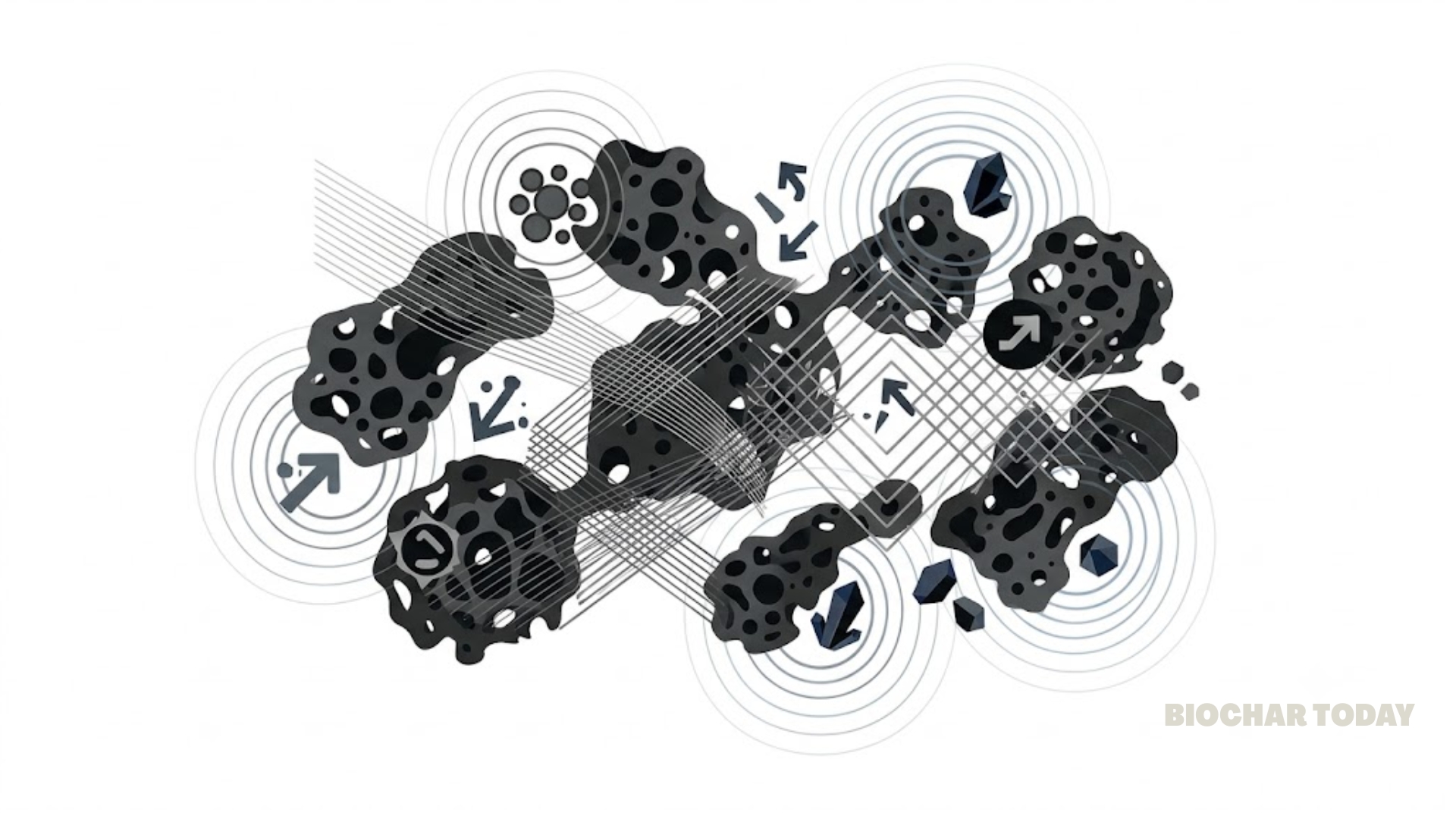
Nanobiochar:When Biochar Goes Nano
Machine Learning Models Achieve Prediction Accuracy Beyond Point Ninety Six R-Squared in Biochar Studies But Fail to Reveal True Causal Mechanisms
Traditional Chinese Medicine Residue Biochar Reaches Lead Adsorption Capabilities of 599.40 Milligrams Per Gram and Tetracycline Capacities of 930.3 Milligrams Per Gram
Modified Periwinkle Shell Biochar Removes up to Ninety-Six Percent of Toxic Heavy Metals and Thirty-Three Percent of Organic Pollutants from Paint Industrial Wastewater
Synthesized Azolla and Biochar Material Yields a 96.21 Percent Methylene Blue Adsorption Efficiency and Transitions into an Effective Electrocatalyst
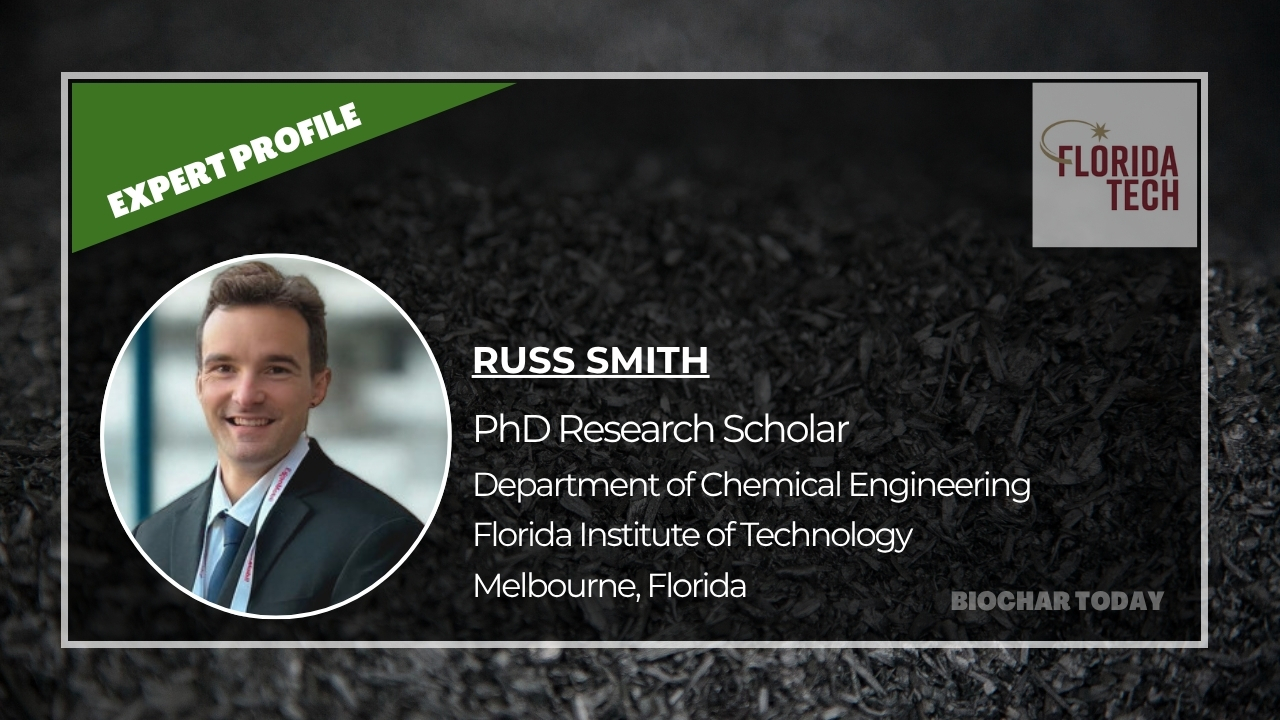
Engineering the Future of Biochar: Russ Smith on Thermochemical Conversion, Resource Recovery, and Sustainable Innovation
Sustainable Biochar Composite Synthesized from Waste Eggshells and Cotton Stalks Reaches a Maximum Adsorption Capacity of One Hundred and Sixty-One Milligrams per Gram to Eliminate Antibiotics from Wastewater
Biomass Valorization and Advanced Functionalization Create High-Capacity Biochar Composite Matrixes for Wastewater Engineering
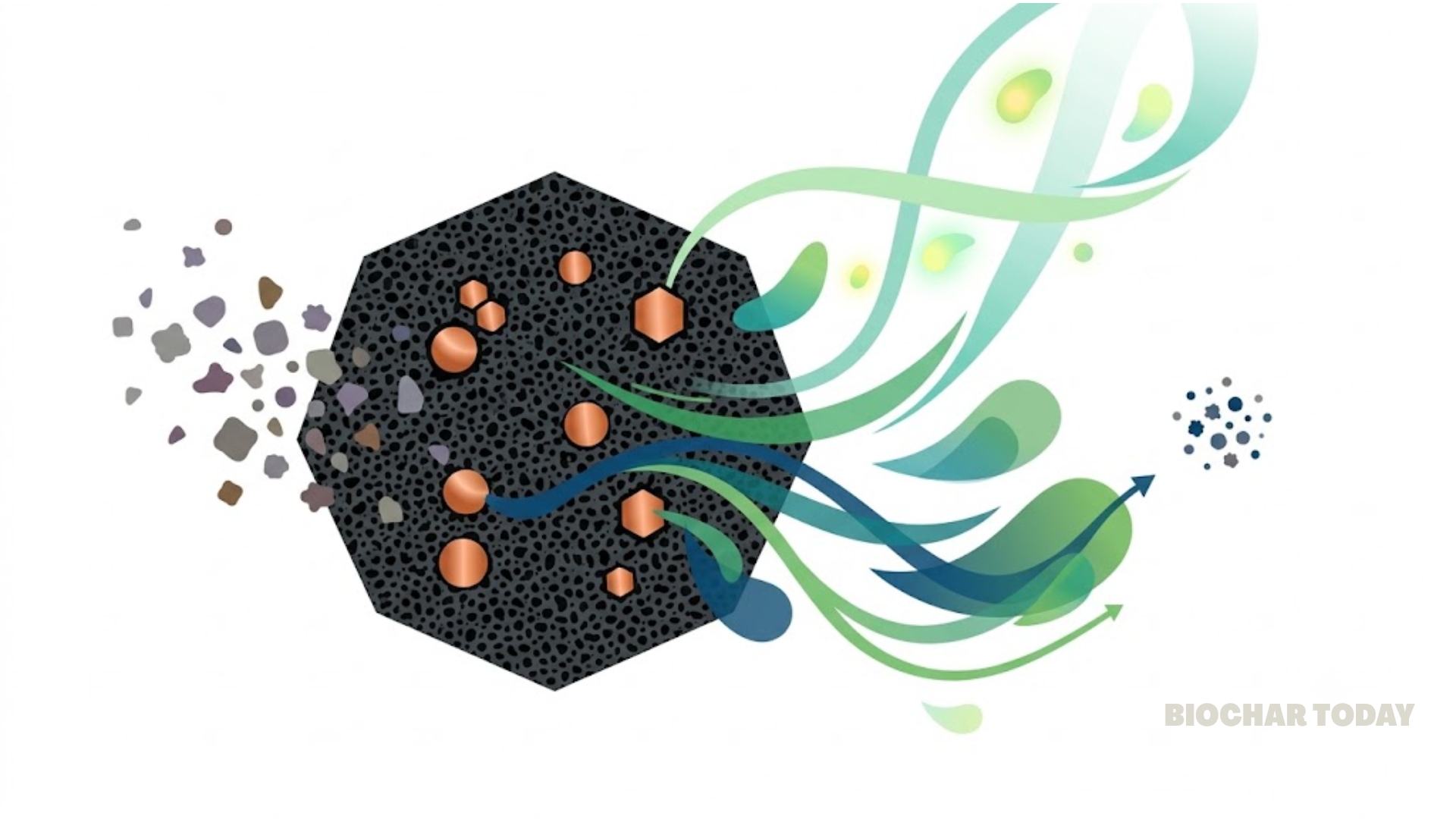
Copper-Infused Biochar Achieves Over Ninety-Nine Percent Pollutant Removal and Boosts Green Syngas Yields to Ninety-Four Percent
1
2
3
…
43
Next Page
Loading Comments...
Write a Comment...
Email (Required)
Name (Required)
Website