Skip to content
LinkedIn
X
Facebook
Instagram
Reddit
Spotify
RSS Feed
Search
News
Blog
Industry Insights
Expert Profiles
Biochar Decoded
Ask Annie
Announcements
Podcast
Videos
Insights
Use Cases
Agriculture
Horticulture
Livestock
Landscaping
Building Materials
Concrete / Asphalt
Reforestation
Soil Remediation
Water Treatment
Carbon Sequestration
About
About Biochar Today
Partner Directory
Editorial Guidelines
Contact
Services
adsorption
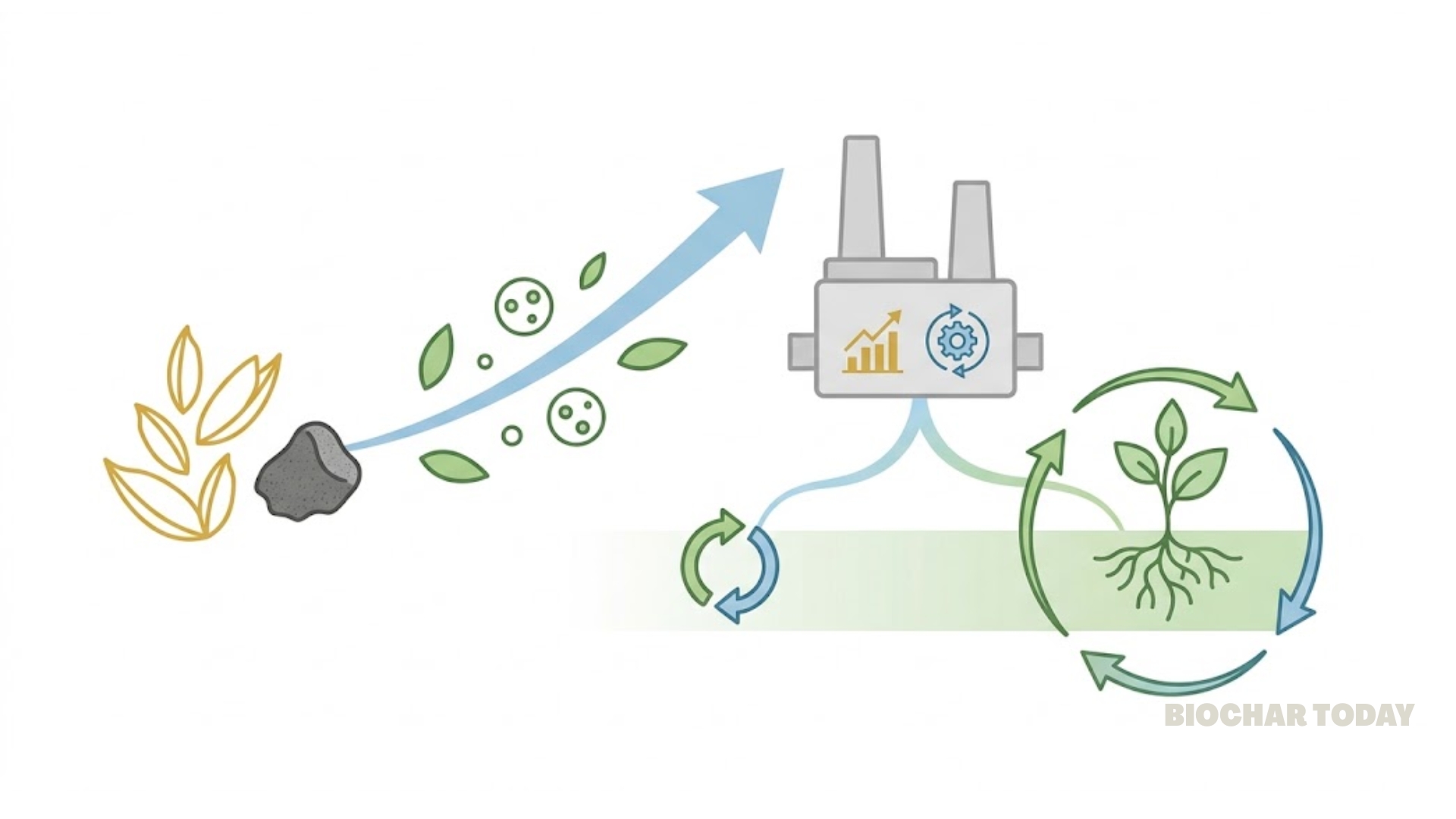
Magnesium-Impregnated Rice Husk Biochar Sequentially Treats 4.32 Cubic Meters of Wastewater Daily Before Soil Application Yields a Potential Reduction of 1.34 Kilograms of Carbon Dioxide Equivalent Per Kilogram
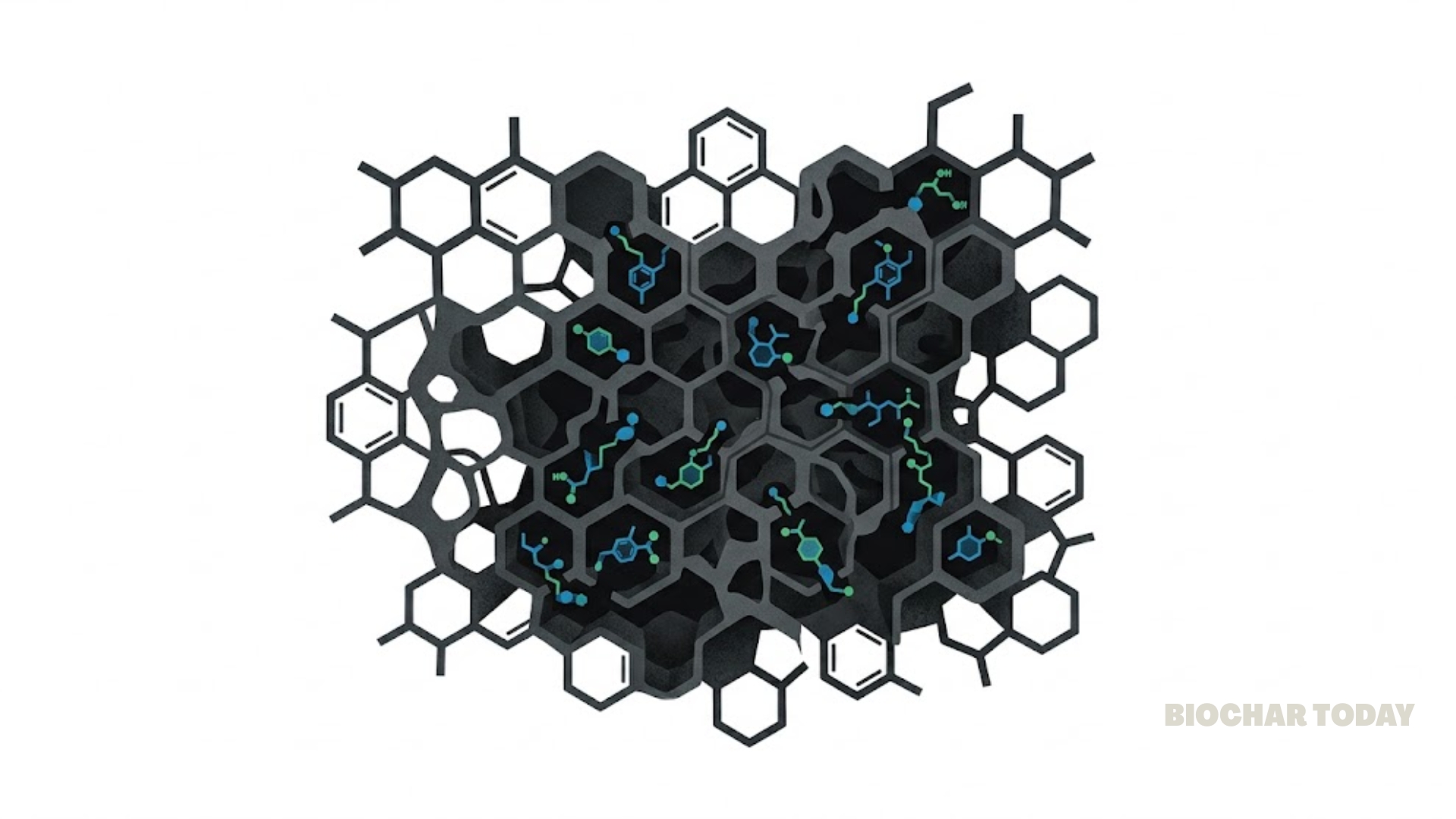
Agricultural and Forestry Waste Biochar Contains High Carbon Content to Enable Complex Adsorption Pathways for Multi-Mechanism Antibiotic Removal
96.90% Oxygen Demand Reduction and 99.10% Color Removal Achieved Using An Integrated Canna Indica Biochar Adsorption and Ozonation Process
Is Sewage Sludge Biochar a Waste Problem or a Resource Opportunity?
5-Fold Cross-Validation or Gaussian Process Optimization? A Smart Machine Learning Model Achieves 97.8% Accuracy in Tracking Heavy Metal Adsorption onto Sustainable Biochar
Biochar Filter from Lotus Leaf Waste Safely Eliminates Ninety-Nine Percent of Toxic Beryllium from Mining Wastewater
Banana Rachis Biochar Impregnated with Zinc Compounds Increases Lead and Brilliant Blue Dye Adsorption While Eliminating Waterborne Bacteria
Innovative Biochar Nanosphere Composites Achieve Uranium Adsorption Capacity of 203.4 Milligrams Per Gram for Enhanced Seawater Extraction
Effective Metal Impregnation of Biomass-Derived Activated Carbon Increases Phosphorus Adsorption Capacity to Over 220 Milligrams Per Gram
Iron Modified Orange Peel Biochar Achieves Over Ninety Percent Removal of Emerging Antibiotic Contaminants from Wastewater
Previous Page
1
2
3
4
…
43
Next Page
Loading Comments...
Write a Comment...
Email (Required)
Name (Required)
Website