
Curious about what happens when biocharBiochar is a carbon-rich material created from biomass decomposition in low-oxygen conditions. It has important applications in environmental remediation, soil improvement, agriculture, carbon sequestration, energy storage, and sustainable materials, promoting efficiency and reducing waste in various contexts while addressing climate change challenges. More goes nano? Let’s explore how shrinking biochar to the nanoscale can change its properties and open new possibilities for environmental applications.
What is Nanobiochar
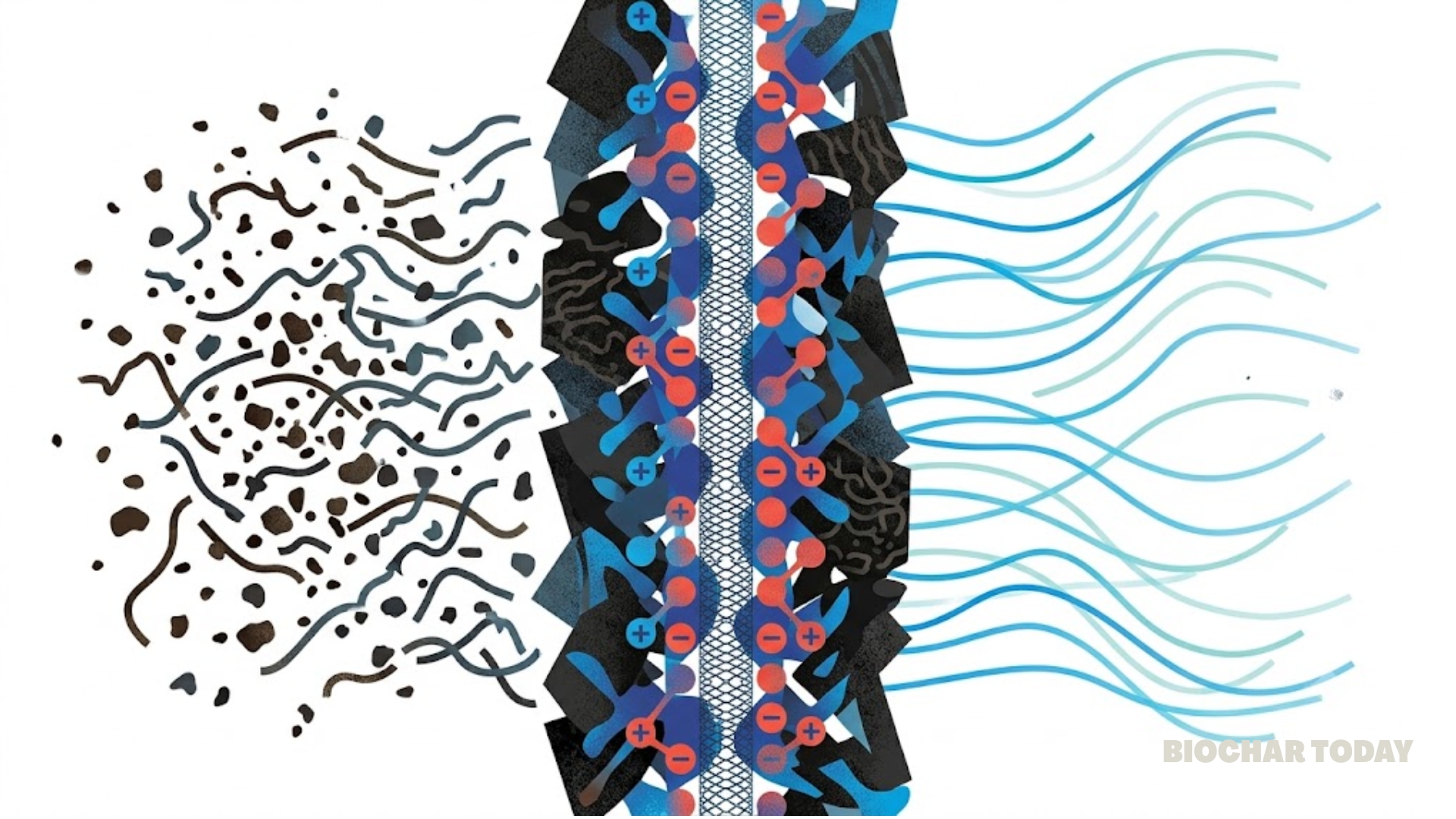
Nanobiochar is an engineered form of biochar reduced to the nanoscale, giving it physical and chemical characteristics that can differ considerably from conventional, larger biochar particles. Its very small particle size can provide a high surface-area-to-mass ratio, greater pore volume, stronger surface charge, oxygen-containing functional groups, and enhanced adsorption capacity. However, these properties are strongly influenced by the original feedstockFeedstock refers to the raw organic material used to produce biochar. This can include a wide range of materials, such as wood chips, agricultural residues, and animal manure. More and pyrolysis conditionsThe conditions under which pyrolysis takes place, such as temperature, heating rate, and residence time, can significantly affect the properties of the biochar produced. More; smaller particle size does not automatically guarantee a higher surface area.


How Nanobiochar Is Prepared
Nanobiochar can be prepared from biochars derived from agricultural and woody residues such as rice husk, bagasse, bamboo, rice straw, corn residues, and wood. A widely studied preparation route is ball milling, a top-down process in which larger biochar particles are mechanically ground to the nanoscale. Milling can reduce particle size while modifying surface area, surface functional groups, and adsorption behavior. Other approaches reported include thermal-chemical exfoliation and microwave-based methods.
What are the application of Nanobiochar
These enhanced surface characteristics are opening applications beyond conventional biochar. The paper reports nanobiochar systems investigated for removing heavy metals, dyes, antibiotics, pharmaceutical contaminants, and other pollutants from water, while engineered forms have also been explored as catalysts, sensors, capacitors, and photocatalytic materials.
Spill the Char takeaway: Making biochar smaller does more than change its size—it can change how its surface interacts with pollutants, ions, and other materials, creating new opportunities for engineered environmental applications.




Leave a Reply