Skip to content
  • LinkedIn
  • X
  • Facebook
  • Instagram
  • Reddit
  • Spotify
  • RSS Feed
  • News
  • Blog
    • Industry Insights
    • Expert Profiles
    • Biochar Decoded
    • Ask Annie
  • Announcements
  • Biochar Show Pod
  • Videos
  • Insights
  • Use Cases
    • Agriculture
    • Horticulture
    • Livestock
    • Landscaping
    • Building Materials
    • Concrete / Asphalt
    • Reforestation
    • Soil Remediation
    • Water Treatment
    • Carbon Sequestration
  • About
    • About Biochar Today
    • Partner Directory
    • Editorial Guidelines
    • Contact

Water treatment

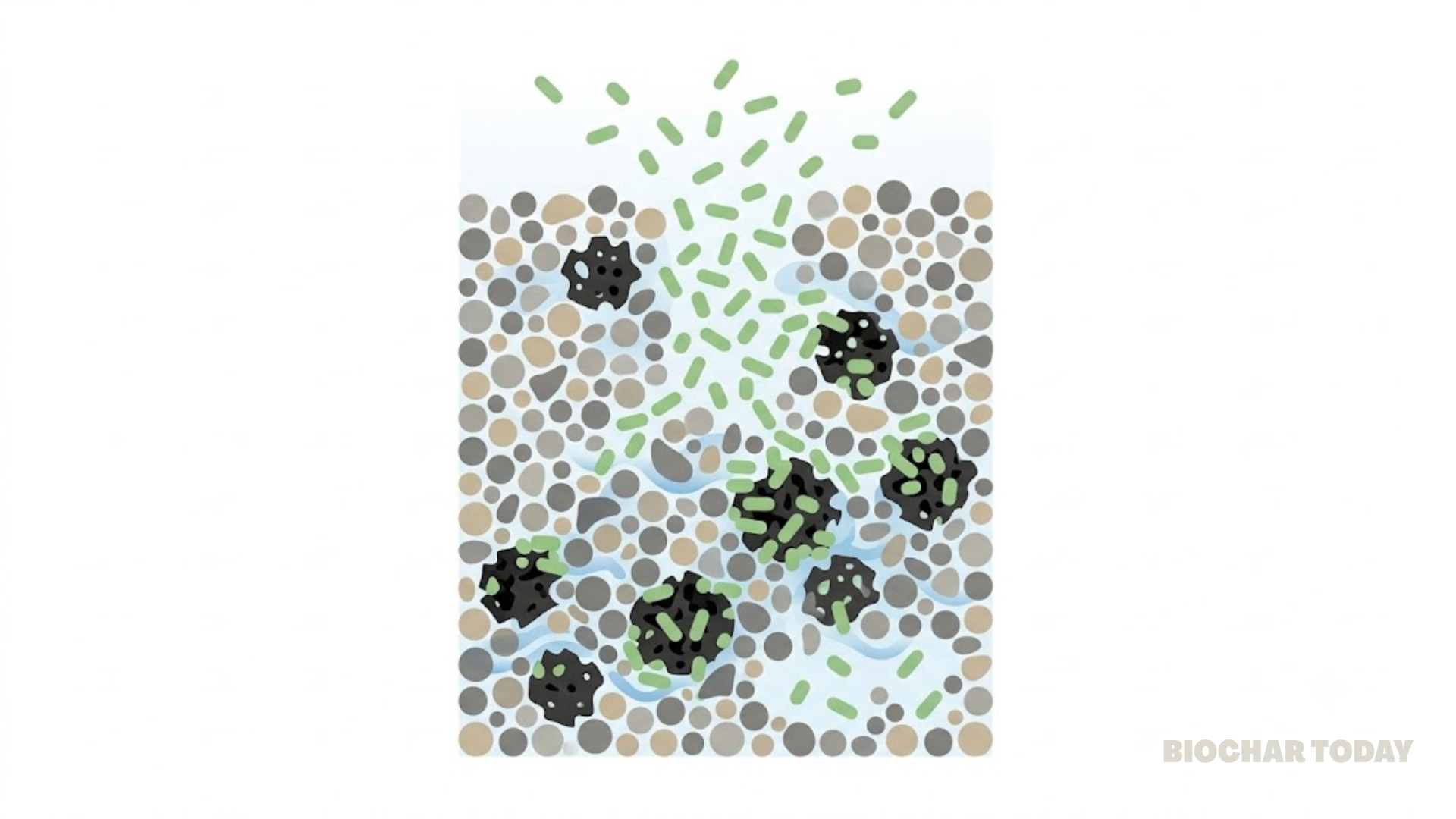
  • Malt Spent Rootlets Biochar Increases Bacterial Retention in Saturated Sand Filters from 17.8 Percent to 94.1 Percent

    Malt Spent Rootlets Biochar Increases Bacterial Retention in Saturated Sand Filters from 17.8 Percent to 94.1 Percent

  • Sand Filters Amended with 10% Brewery Waste Biochar Boost Bacterial Removal to 94.1%

    Sand Filters Amended with 10% Brewery Waste Biochar Boost Bacterial Removal to 94.1%

  • Comparative Evaluation of Pristine Biochar and Advanced Composites in Water Treatment

    Comparative Evaluation of Pristine Biochar and Advanced Composites in Water Treatment

  • Modified Biochar Eliminates Over Eighty Percent of Toxic Perfluorooctane Sulfonate from Water

    Modified Biochar Eliminates Over Eighty Percent of Toxic Perfluorooctane Sulfonate from Water

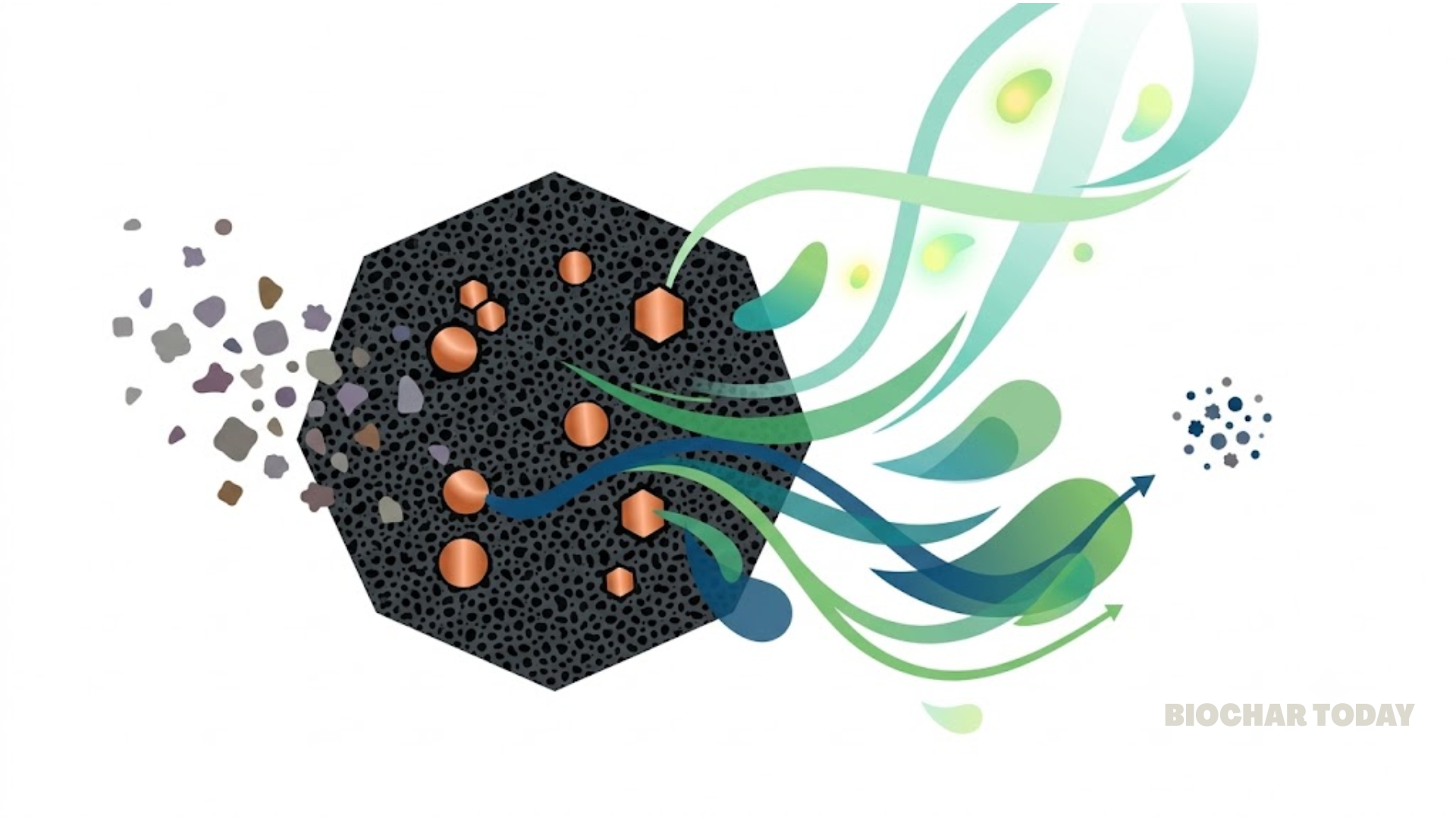
  • Copper-Infused Biochar Achieves Over Ninety-Nine Percent Pollutant Removal and Boosts Green Syngas Yields to Ninety-Four Percent

    Copper-Infused Biochar Achieves Over Ninety-Nine Percent Pollutant Removal and Boosts Green Syngas Yields to Ninety-Four Percent

  • Agricultural and Forestry Waste Biochar Contains High Carbon Content to Enable Complex Adsorption Pathways for Multi-Mechanism Antibiotic Removal

    Agricultural and Forestry Waste Biochar Contains High Carbon Content to Enable Complex Adsorption Pathways for Multi-Mechanism Antibiotic Removal

  • Is Sewage Sludge Biochar a Waste Problem or a Resource Opportunity?

    Is Sewage Sludge Biochar a Waste Problem or a Resource Opportunity?

  • Engineering Corn Cob Biochar at 700 Degrees Celsius Achieves a Sixty-Four Percent Ammonia Removal and Ninety-Eight Percent Plastic Microparticle Retention

    Engineering Corn Cob Biochar at 700 Degrees Celsius Achieves a Sixty-Four Percent Ammonia Removal and Ninety-Eight Percent Plastic Microparticle Retention

  • Biochar Variants Achieve Up to Ninety-Nine Percent Extraction Efficiency for Microplastics while Combined Advanced Degradation Surpasses Ninety Percent Destruction Rates

    Biochar Variants Achieve Up to Ninety-Nine Percent Extraction Efficiency for Microplastics while Combined Advanced Degradation Surpasses Ninety Percent Destruction Rates

  • Biochar-Immobilized Enzymes Achieve over Ninety-Nine Percent Pollutant Removal to Advance Sustainable Environmental Remediation

    Biochar-Immobilized Enzymes Achieve over Ninety-Nine Percent Pollutant Removal to Advance Sustainable Environmental Remediation

1 2 3 … 25
Next Page
  • LinkedIn
  • X
  • Facebook
  • Instagram
  • Reddit
  • Spotify
  • RSS Feed

GET THE NEWSLETTER

  • Resources
  • Glossary
  • Partner Directory
  • About
  • Editorial Guidelines
  • Contact
  • Privacy Policy
  • Disclaimer

John Webster – Operations
Timothy Harfield – Founding Editor


Loading Comments...