
Key Takeaways
- Scientists are attaching natural cleaning proteins called enzymes to biocharBiochar is a carbon-rich material created from biomass decomposition in low-oxygen conditions. It has important applications in environmental remediation, soil improvement, agriculture, carbon sequestration, energy storage, and sustainable materials, promoting efficiency and reducing waste in various contexts while addressing climate change challenges. More to clean up polluted water and soil.
- This combined technology can destroy nearly all traces of harmful antibiotics and toxic dyes in just a few minutes.
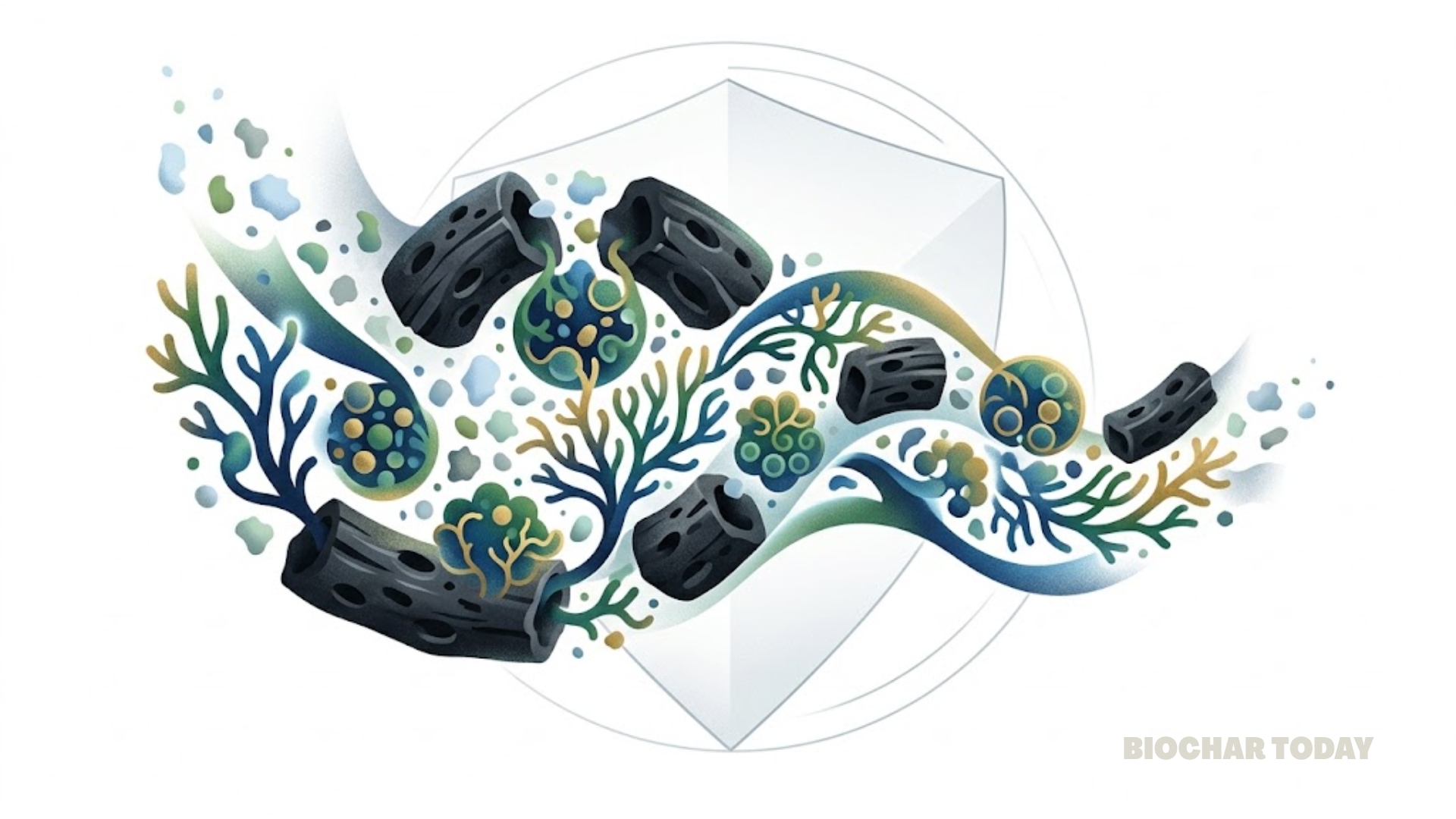
- Biochar acts as a protective shield for the enzymes, allowing them to work longer and be reused multiple times.
- This eco-friendly approach not only removes pollutants but also helps the earth store carbon to fight climate change.
- Using waste products like crop stalks to make these cleaners creates a sustainable cycle that reduces cost and environmental impact.
The scientific journal Biochar recently published a comprehensive review by Sinan Zhang, Chenhao Cui, Sheng Huang, Zejian Wang, and Shiyong Wu regarding the transformative potential of biochar-immobilized enzymes. As industrialization increases global pollution, researchers are looking for alternatives to traditional waste treatments that are often expensive or create secondary pollution. By attaching enzymes—nature’s own catalysts—to biochar, scientists have created a powerful remediation tool that is both cost-effective and environmentally friendly. Biochar, which is produced by heating organic waste like wood chips or agricultural residues, provides a stable home for enzymes that would otherwise break down too quickly in the wild.
The findings of this review reveal that biochar-immobilized enzymes are exceptionally efficient at tackling emerging threats like pharmaceutical residues and synthetic dyes in water systems. For example, specific composites have demonstrated the ability to remove nearly all traces of penicillin from water in just twenty minutes. This happens through a synergistic effect where the porous biochar first traps the pollutants on its surface, allowing the attached enzymes more time to break them down into harmless substances. Similarly, these systems have been shown to decolorize over 85% of toxic textile dyes within five hours, turning dangerous chemicals into low-toxicity byproducts that do not threaten aquatic life.
Beyond water purification, the study explores how these biochar-enzyme hybrids are revolutionizing soil health. In contaminated land, these materials can degrade difficult pollutants like microplastics and chlorinated hydrocarbons while simultaneously restoring the soil’s natural functions. The biochar provides physical refuge for beneficial soil microbes, helping them survive harsh conditions like drought or extreme acidity. In one instance, a composite was able to reduce soil-borne diseases in tomatoes by 40% simply by trapping and deactivating the toxins secreted by pathogens. This suggests that biochar is not just a carrier for cleaning agents but a multidimensional tool for total ecological restoration.
A critical result highlighted in the research is the dual benefit of environmental cleaning and climate regulation. Biochar is naturally rich in stable carbon, and when it is added to soil as a carrier for enzymes, it locks that carbon away for the long term. This process, known as carbon sequestration, helps mitigate the effects of global warming. The review describes how using biochar to capture carbon dioxide from industrial exhaust can merge the goals of cleaning the air with restoring the earth. By integrating these multiple functions into a single material, researchers are creating a pathway toward a low-carbon, circular economy where waste is transformed into a valuable resource for planetary health.
While the results from laboratory tests are overwhelmingly positive, the study also addresses the hurdles for large-scale use. Challenges such as the natural variety in raw materials and the potential for enzymes to lose their activity over time require intelligent design and advanced computer modeling to solve. Scientists are now using machine learning to predict the best combinations of biochar and enzymes to ensure maximum stability and cleaning power. As these technologies move from the lab to the real world, they promise to provide sustainable, high-efficiency solutions for global pollution control. By combining materials science with natural biology, this technology represents a significant leap forward in our ability to protect ecosystems and human health.
Source: Zhang, S., Cui, C., Huang, S., Wang, Z., & Wu, S. (2026). Application and mechanisms of biochar-immobilized enzymes in environmental remediation: a review. Biochar, 8(1), 4.



Leave a Reply