Skip to content
LinkedIn
X
Facebook
Instagram
Reddit
Spotify
RSS Feed
Search
News
Blog
Industry Insights
Expert Profiles
Biochar Decoded
Ask Annie
Announcements
Podcast
Videos
Insights
Use Cases
Agriculture
Horticulture
Livestock
Landscaping
Building Materials
Concrete / Asphalt
Reforestation
Soil Remediation
Water Treatment
Carbon Sequestration
About
About Biochar Today
Partner Directory
Editorial Guidelines
Contact
Other
Random Forest Artificial Intelligence Elevates Biochar Acidity Predictions to 90 Percent Accuracy
Low Biochar Loads Up to 5 Weight Percent Enhance Poly(lactic acid) Biocomposites
Machine Learning Accurately Predicts Biochar Radical Concentration and Type with Test R2 Values Exceeding 0.76
Intrinsic Redox Superiority Drives Biochar Beyond Activated Carbon in Electron Transfer Applications
Machine Learning Models Achieve Prediction Accuracy Beyond Point Ninety Six R-Squared in Biochar Studies But Fail to Reveal True Causal Mechanisms
Chemical Activation with Potassium Carbonate and Potassium Hydroxide Increases Biochar Surface Area and Porosity for Enhanced Environmental and Catalytic Performance
Global Biochar Research Surges Over 1000 Percent to Establish Sustainable Soil Remediation and Carbon Cleanup Solutions
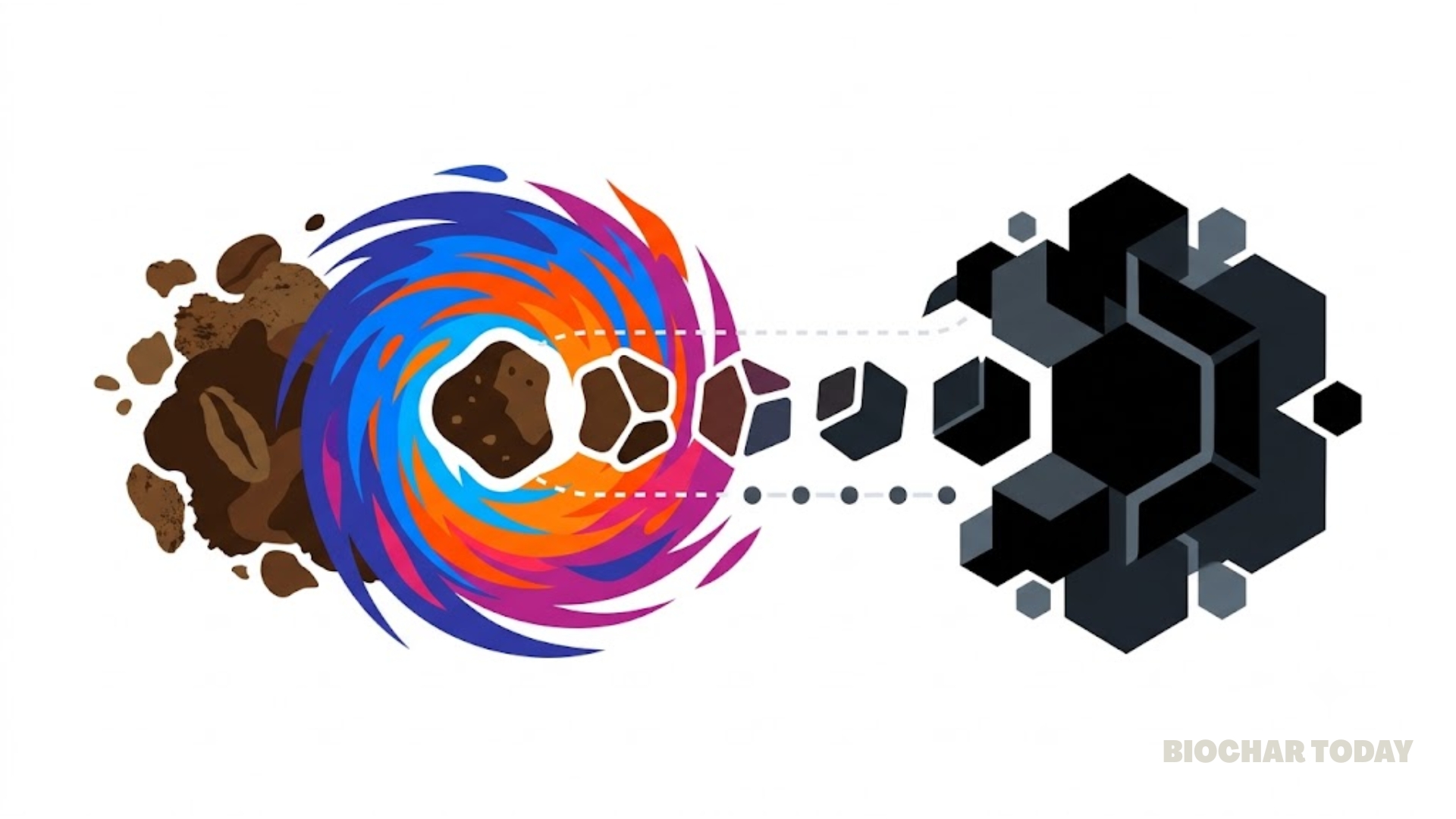
Atmospheric Flame Plasma Pyrolysis Directs Ninety-Second Carbonization of Wet Spent Coffee Grounds into Sulfur-Free Biochar Surpassing Anthracite Heating Standards
Dietary Inclusion of Mulberry Branch Biochar Reduces Aquaculture Ammonia by Sixty Percent and Nitrite by Ninety-One Percent
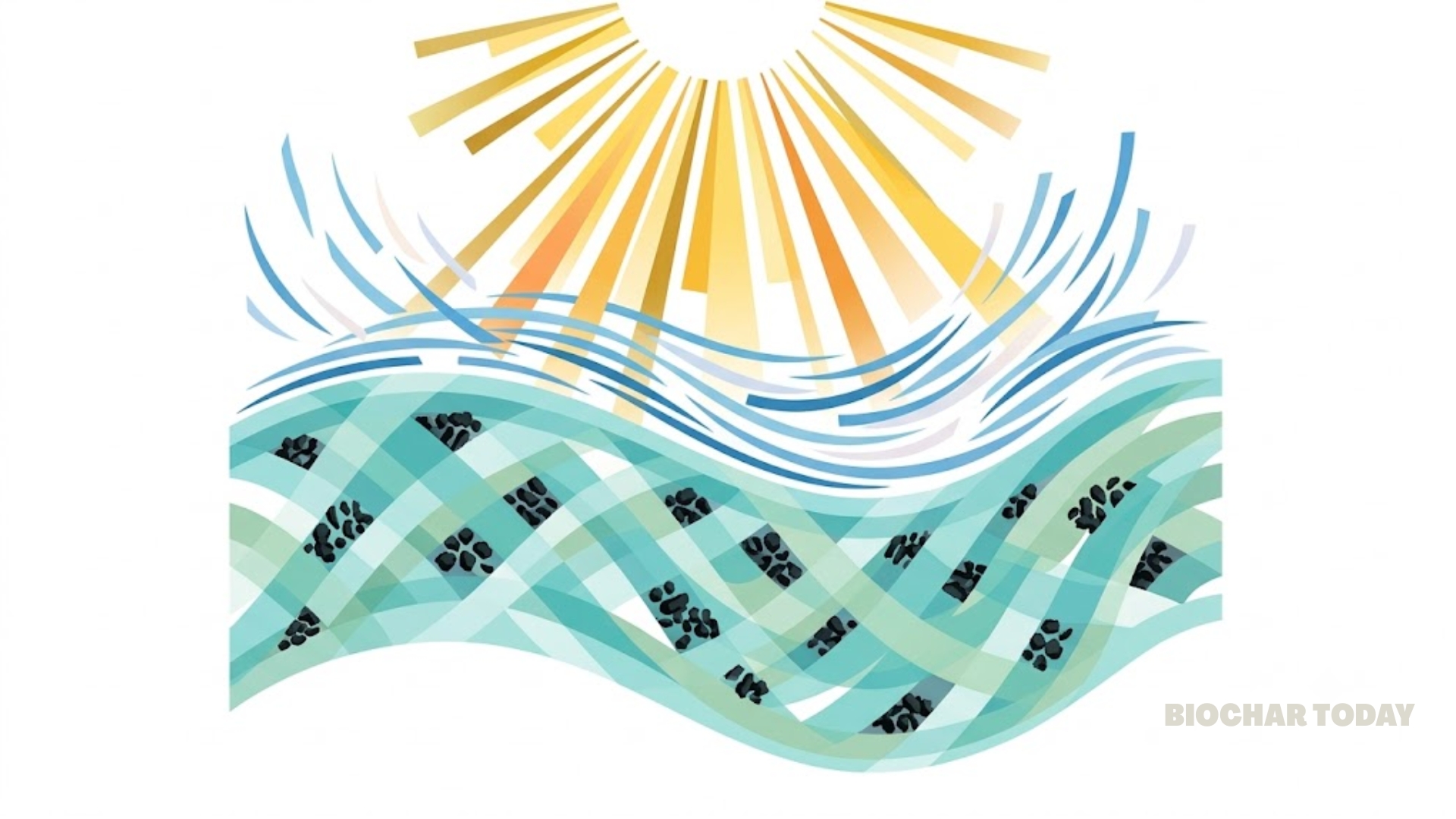
Biochar Doping Enhances Hybrid Hydrogel Solar Evaporation Rate to 3.57 Kilograms Per Square Meter Per Hour
1
2
3
…
5
Next Page
Loading Comments...
Write a Comment...
Email (Required)
Name (Required)
Website