Skip to content
LinkedIn
X
Facebook
Instagram
Reddit
Spotify
RSS Feed
Search
News
Blog
Industry Insights
Expert Profiles
Biochar Decoded
Ask Annie
Announcements
Podcast
Videos
Insights
Use Cases
Agriculture
Horticulture
Livestock
Landscaping
Building Materials
Concrete / Asphalt
Reforestation
Soil Remediation
Water Treatment
Carbon Sequestration
About
About Biochar Today
Partner Directory
Editorial Guidelines
Contact
environmental remediation
High-Temperature Activated Waste Timber Biochar Reduces PFAS Leaching from Low-TOC Soil by Up to One Hundred Percent
Lowering Nitrogen-to-Boron Ratios in Co-Doped Biochar Boosts Antibiotic Removal Efficiency by More Than Twofold
University of Florida and Myno Carbon Partner on Sargassum-to-Biochar Water Quality Research in the United States
Review of Biochar Reveals Advanced Applications in Biomedicine, Environment, and Agriculture
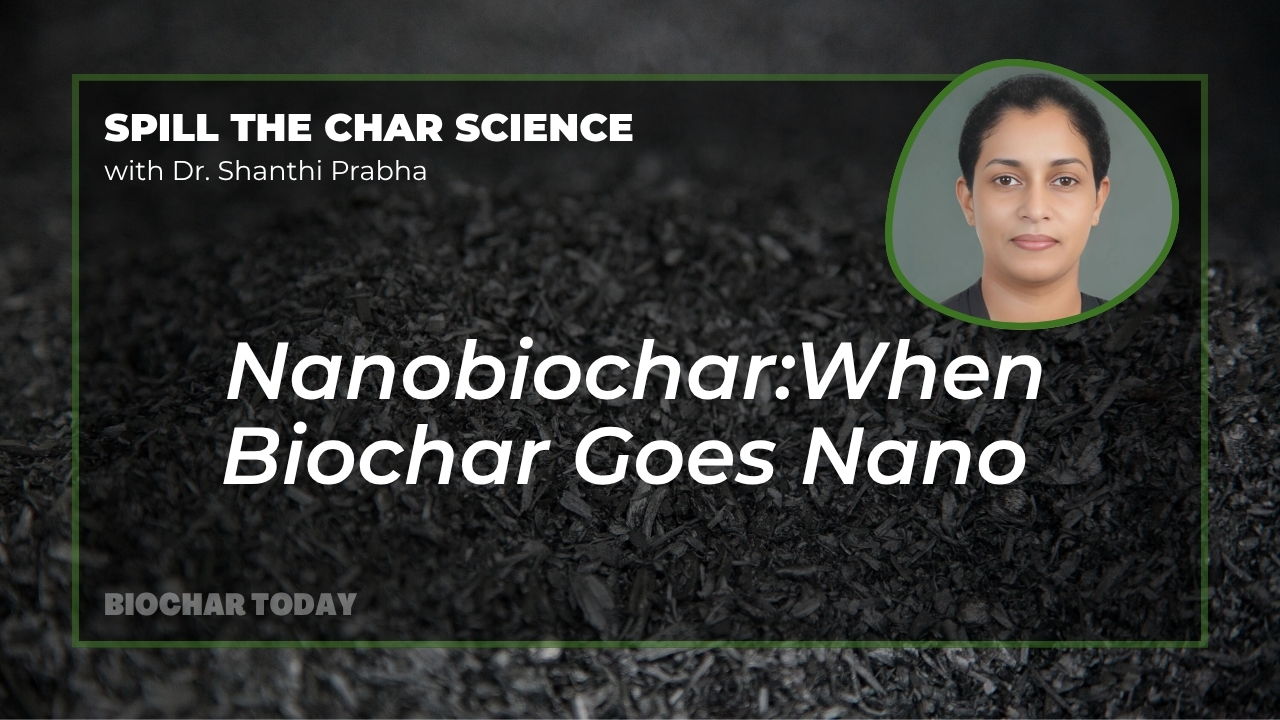
Nanobiochar:When Biochar Goes Nano
Biochar-Enzyme Composites Achieve Over Ninety-Eight Percent Pollutant Removal in Contaminated Water and Soil
Machine Learning Optimization Enables High-Accuracy Biochar Preparation and Cadmium Removal Achieving Under Seventeen Percent Experimental Prediction Error
Invasive Weed Biochar Boosts Oat Fodder Yield by 8 Percent and Increases Mine Spoil Carbon Stock by 91 Percent
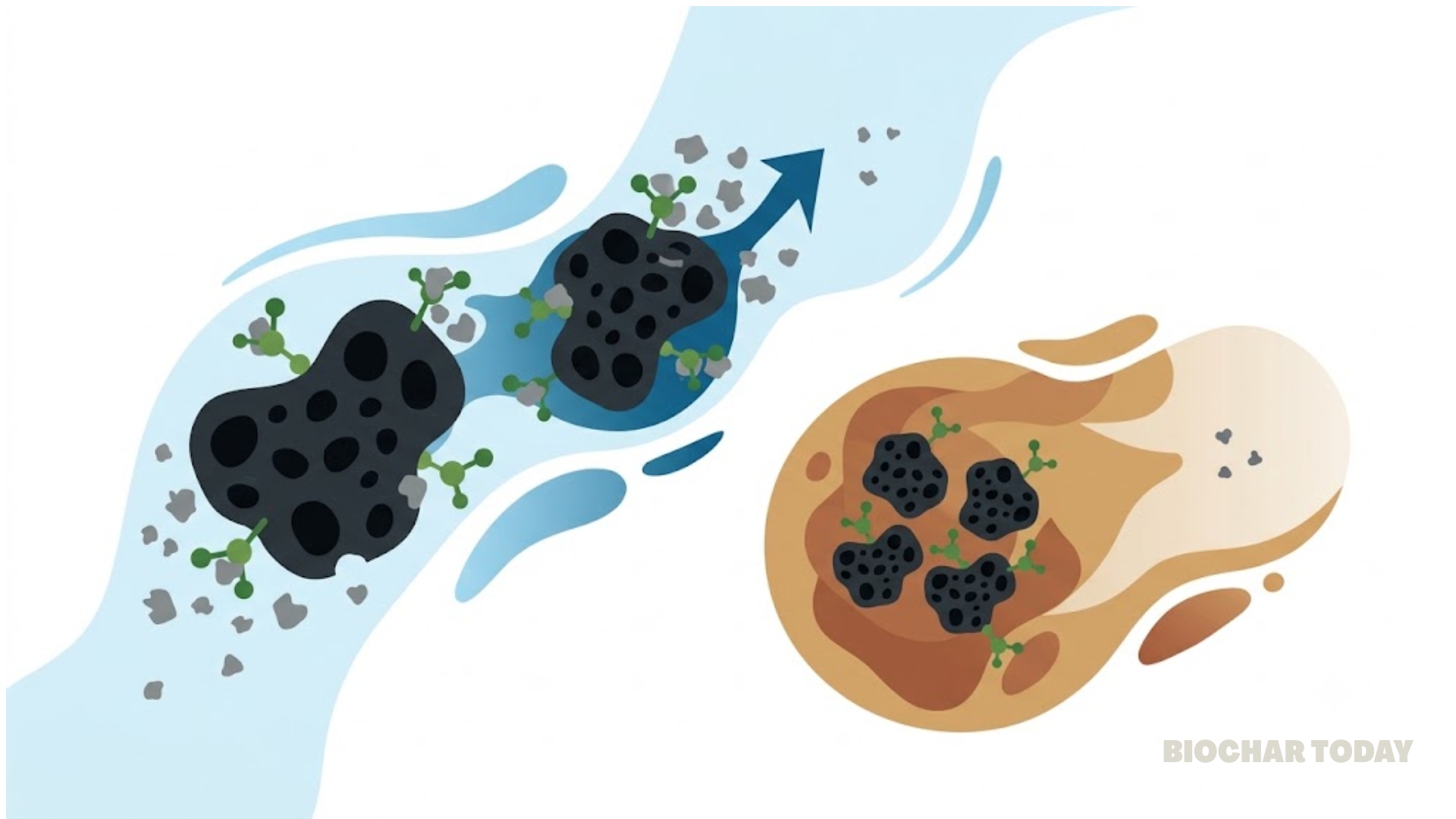
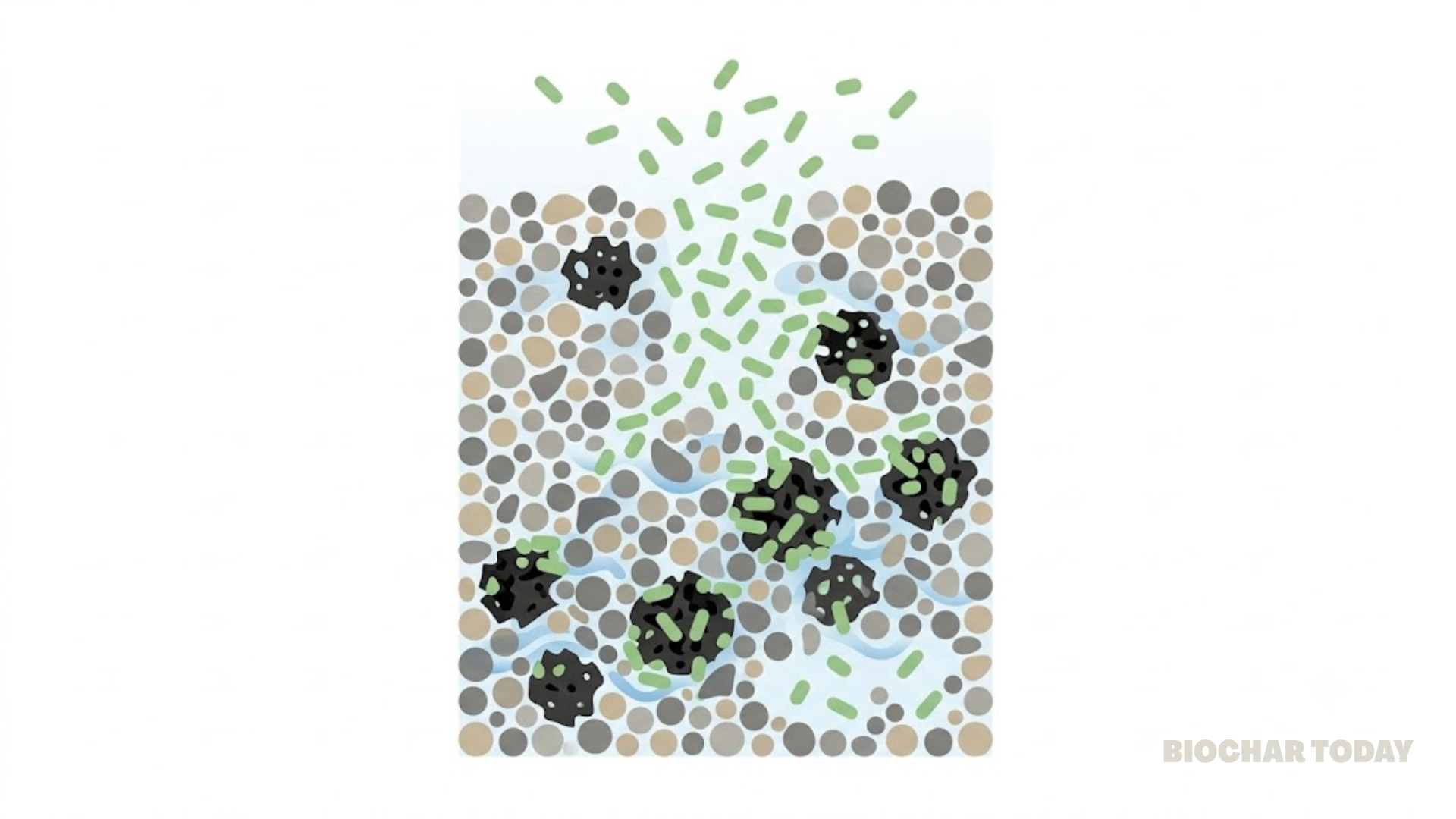
Malt Spent Rootlets Biochar Increases Bacterial Retention in Saturated Sand Filters from 17.8 Percent to 94.1 Percent
Pyrolysis Temperature Adjustments Enable Up to Ninety-Five Percent Immobilization of Agricultural Soil Plastics
1
2
3
…
43
Next Page
Loading Comments...
Write a Comment...
Email (Required)
Name (Required)
Website