
Key Takeaways
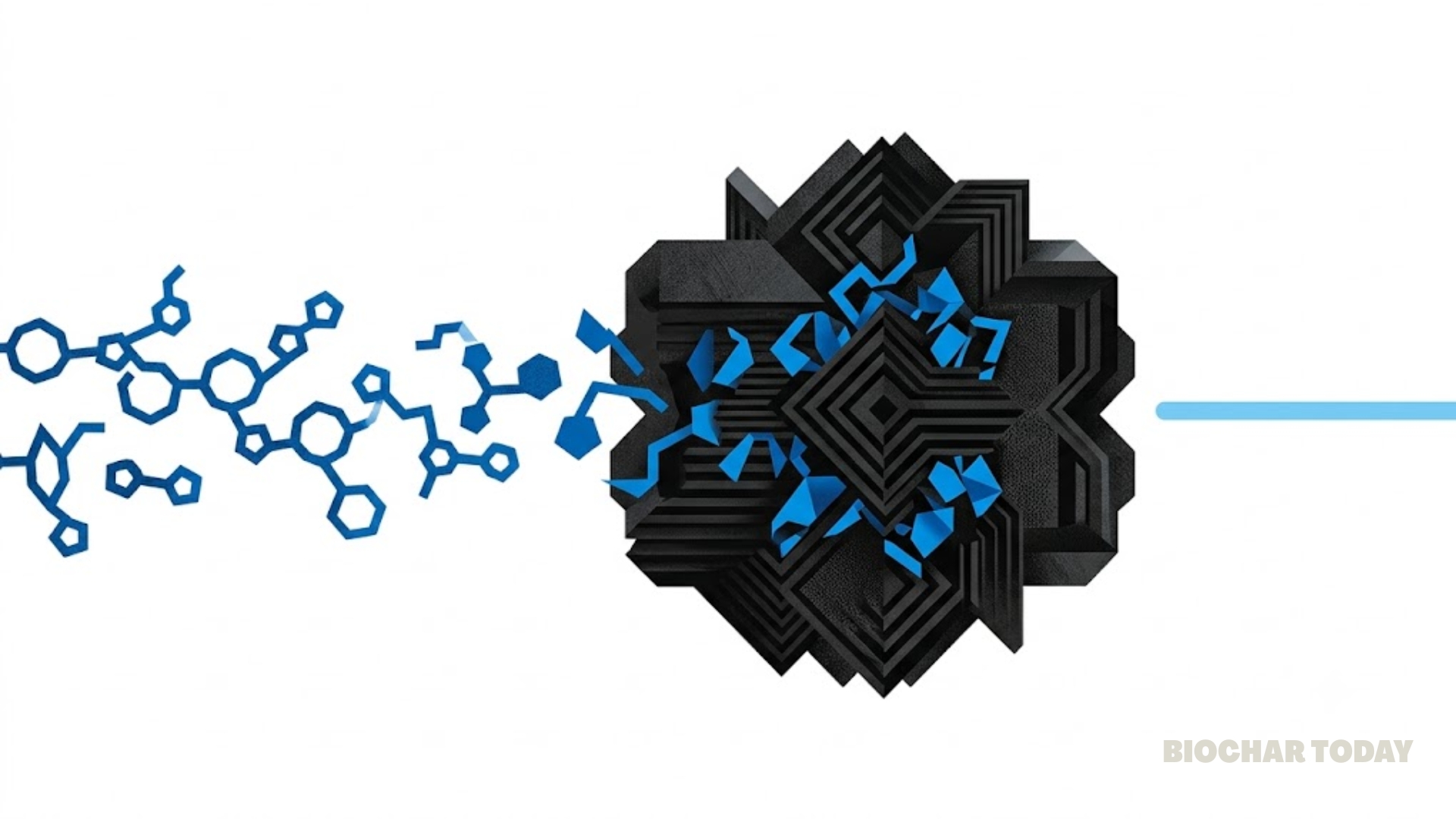
- Converting discarded construction wood into high-temperature activated biocharBiochar is a carbon-rich material created from biomass decomposition in low-oxygen conditions. It has important applications in environmental remediation, soil improvement, agriculture, carbon sequestration, energy storage, and sustainable materials, promoting efficiency and reducing waste in various contexts while addressing climate change challenges. More creates an effective barrier that prevents harmful industrial chemicals from washing out of contaminated soils.
- Adding a small amount of activated biochar to sandy soil traps nearly all fluorinated pollutants, keeping them tightly bound even under heavy water flushing.
- Soil composition strongly influences remediation success, as natural organic matter in rich soils can block biochar pores and lower overall binding efficiency.
- Increasing activation temperature and oxidant exposure expands internal surface pores, significantly boosting the material’s ability to capture synthetic contaminants.
- Synthetic chemicals with longer fluorinated carbon chains bind more strongly to biochar surfaces than shorter variants due to enhanced water-repelling interactions.
Widespread historical use of specialized firefighting foams and industrial fluids has contaminated soils across the globe with persistent synthetic compounds known as per- and polyfluoroalkyl substances. These fluorinated chemicals migrate easily through ground layers into drinking water aquifers because standard soil minerals offer very little natural binding capacity. While traditional activated carbonActivated carbon is a form of carbon that has been processed to create a vast network of tiny pores, increasing its surface area significantly. This extensive surface area makes activated carbon exceptionally effective at trapping and holding impurities, like a molecular sponge. It is commonly More made from fossil coal can immobilize these pollutants, manufacturing it carries high environmental costs and substantial energy requirements. Converting local wood waste into specialized biochar sorbents presents an attractive alternative for eco-friendly land remediation. However, raw biochar often lacks the internal surface architecture required to lock away complex fluorinated molecules effectively. Understanding how high-temperature physical processing alters biochar structure allows scientists to design sustainable, targeted materials capable of stabilizing heavily contaminated industrial sites.
To optimize carbon-based sorbents for soil stabilization, researchers processed waste timber through a single-step pyrolysisPyrolysis is a thermochemical process that converts waste biomass into bio-char, bio-oil, and pyro-gas. It offers significant advantages in waste valorization, turning low-value materials into economically valuable resources. Its versatility allows for tailored products based on operational conditions, presenting itself as a cost-effective and efficient More reactor across temperatures ranging from eight hundred to nine hundred degrees Celsius. By exposing the biochar to steam or carbon dioxide at varying proportions, the team significantly expanded internal pore networks and enlarged surface areas. Laboratory testing evaluated eight unique biochar formulations mixed into field-contaminated soils taken from a former airport firefighting site. The experiments compared performance across two distinct soil horizons: a light mineral soil low in organic matter and a dark surface soil rich in natural organic carbon. Testing measured how effectively different biochar doses prevented fluorinated compounds from washing out during extensive two-week water exposure trials.
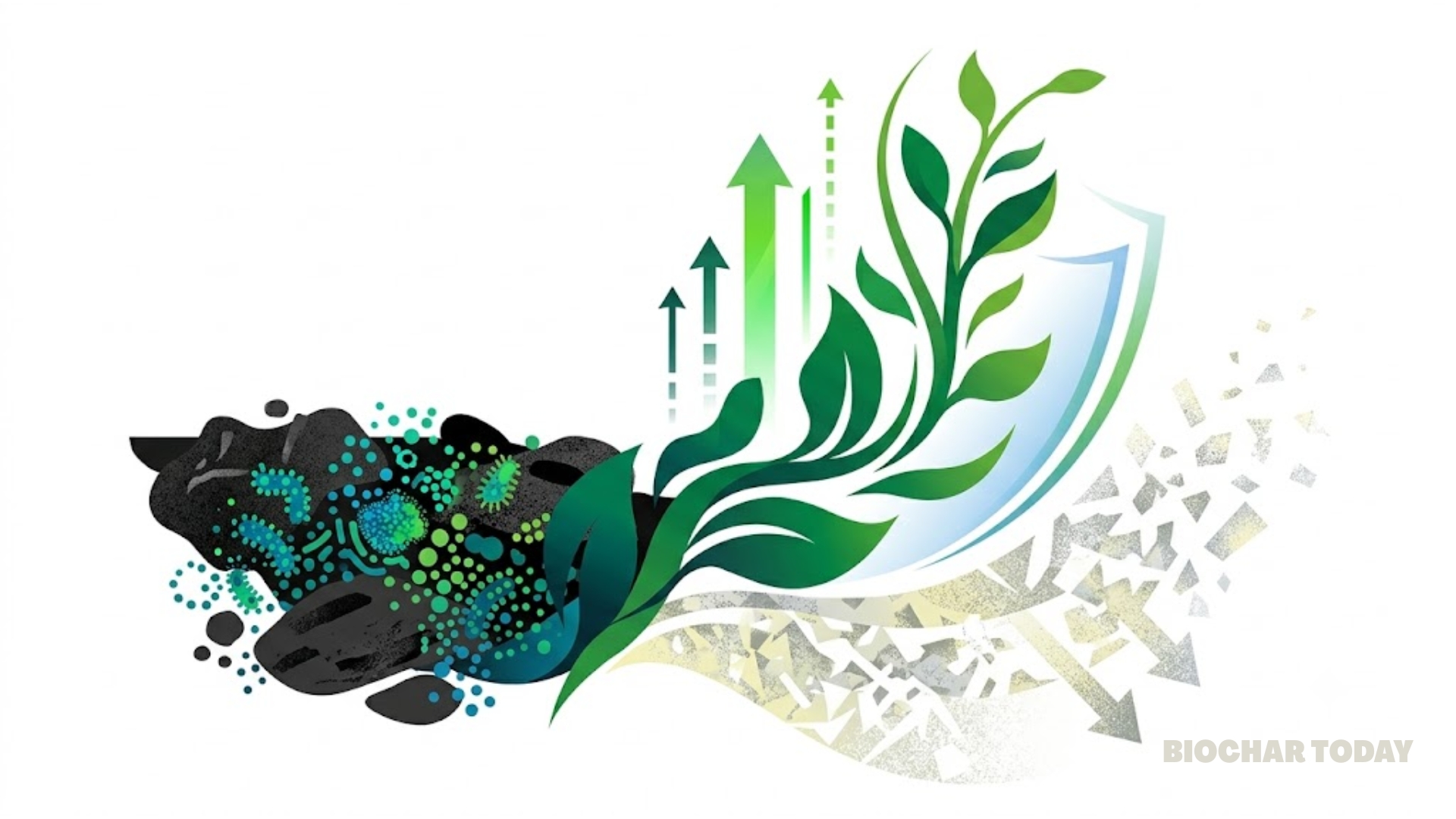
The resulting data revealed dramatic improvements in contaminant retention, demonstrating that physical activation transforms waste wood into a highly efficient chemical trap. In low organic carbon soils, adding just zero point five percent activated biochar captured over ninety percent of key target pollutants, while a five percent dose eliminated up to one hundred percent of chemical leachingLeaching is the process where nutrients are dissolved and carried away from the soil by water. This can lead to nutrient depletion and environmental pollution. Biochar can help reduce leaching by improving nutrient retention in the soil. More. Higher processing temperatures and increased oxidant exposure expanded larger pore networks above one point five nanometers, providing ideal physical spaces to capture bulky fluorinated molecules. In organic-rich surface soils, natural organic carbon competed for active surface sites and clogged microscopic channels, requiring higher biochar doses to achieve equivalent stabilization. Furthermore, compounds with longer carbon chains exhibited stronger binding affinity due to beneficial water-repelling interactions with the carbon surface. These findings prove that tailored waste timber biochar can match the performance of commercial fossil-based carbons, providing a practical tool for circular environmental cleanup.
Source: Sørmo, E., Silvani, L., Bjerkli, N., Hagemann, N., Zimmerman, A. R., Hale, S. E., Hansen, C. B., Hartnik, T., & Cornelissen, G. (2020). Stabilization of PFAS-contaminated soil with activated biochar. Science of the Total Environment, 763, Article 144034.



Leave a Reply