
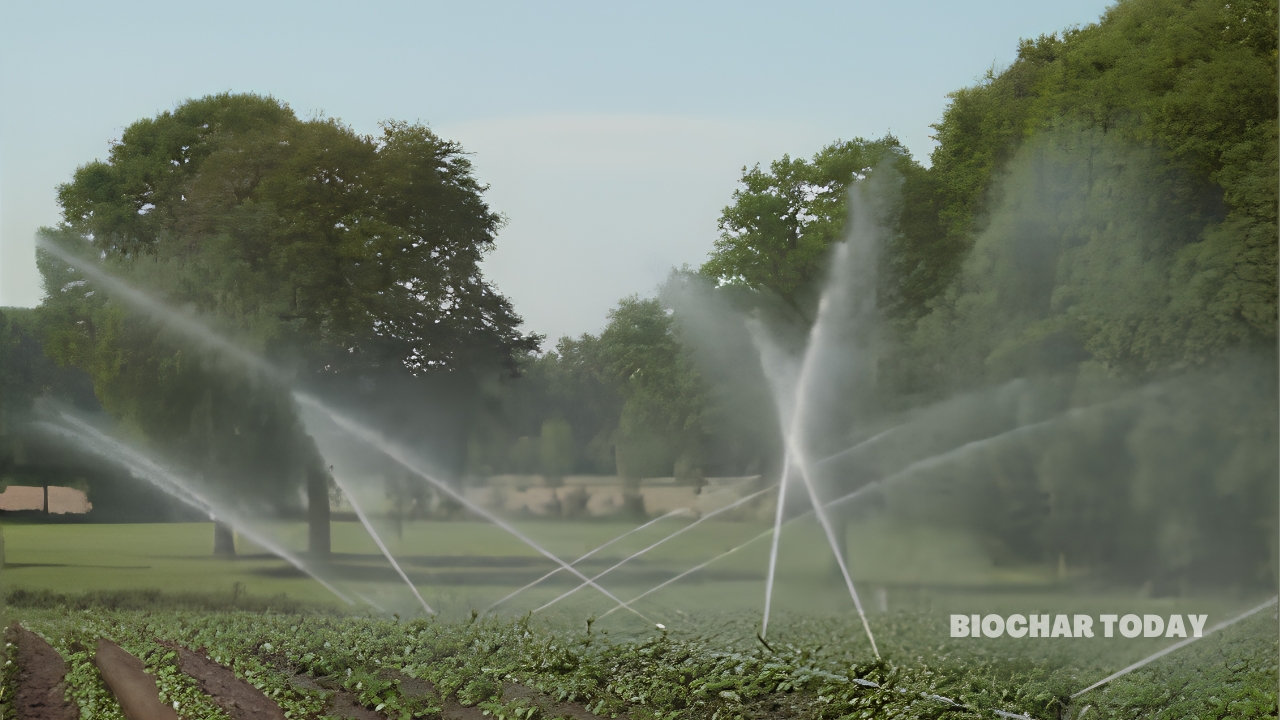
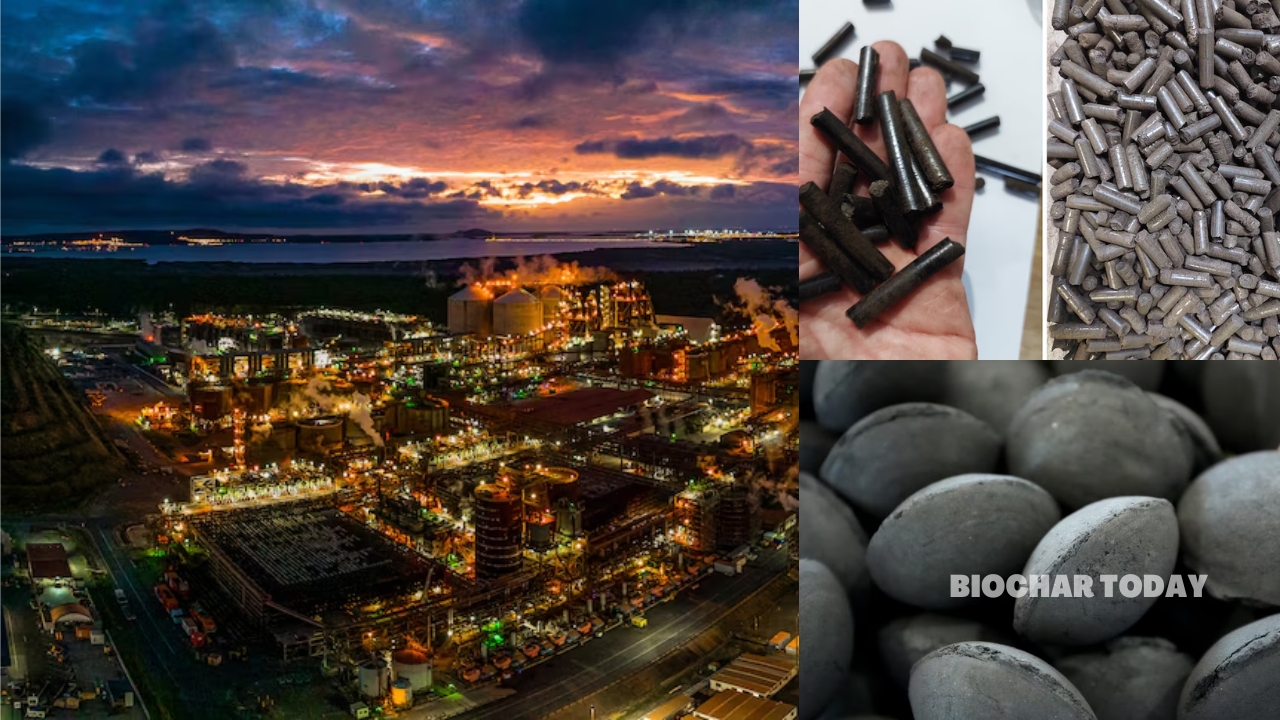
Jain Irrigation Systems Limited (JISL) has commissioned a high-tech, industrial-scale biocharBiochar is a carbon-rich material created from biomass decomposition in low-oxygen conditions. It has important applications in environmental remediation, soil improvement, agriculture, carbon sequestration, energy storage, and sustainable materials, promoting efficiency and reducing waste in various contexts while addressing climate change challenges. More facility in Jalgaon, Maharashtra, India. Developed in partnership with global industry experts, the newly established plant features an annual production capacity of approximately 20,000 tonnes. The project aims to integrate commercial-scale carbon dioxide removal, engineered carbon storage, and circular manufacturing frameworks directly into agricultural systems. Following the official announcement of the operational facility, investor interest drove the company’s shares up by 13.4 percent on the Bombay Stock Exchange (BSE), hitting an intra-day high of ₹33.09 per share.
The primary challenge addressed by this initiative revolves around the structural inefficiencies and environmental hazards of traditional agricultural waste management, particularly the open burning of crop and fruit processing residues. Open burning releases substantial quantities of immediate greenhouse gas emissions and particulate matter, exacerbating regional air pollution and wasting valuable biomassBiomass is a complex biological organic or non-organic solid product derived from living or recently living organism and available naturally. Various types of wastes such as animal manure, waste paper, sludge and many industrial wastes are also treated as biomass because like natural biomass these More. Furthermore, modern agricultural supply chains frequently struggle to implement a viable financial mechanism to return organic matter to degraded soil systems. This lack of circularity limits smallholder resilience against climate stress and leaves farmers highly dependent on synthetic, carbon-intensive inputs that diminish long-term soil water retention and overall fertility.
To resolve these environmental and systemic challenges, the Jalgaon facility utilizes a single-unit pyrolysisPyrolysis is a thermochemical process that converts waste biomass into bio-char, bio-oil, and pyro-gas. It offers significant advantages in waste valorization, turning low-value materials into economically valuable resources. Its versatility allows for tailored products based on operational conditions, presenting itself as a cost-effective and efficient More reactor capable of processing more than 50 metric tonnes of agricultural and fruit processing residue per day. This system ranks among the largest single-unit biochar operations globally and serves as the anchor for multiple planned reactors currently under development by the company. Pyrolysis converts unstable, volatile organic compounds within the biomass into a stable, carbon-rich material under controlled, low-oxygen thermal conditions. JISL leverages its pre-existing, nationwide distribution network across micro-irrigation, solar systems, planting materials, and agri-food processing to create a closed-loop supply chain that returns the product directly to farmers.
The deployment of this engineered system establishes a functional farm-to-soil circular economy with measurable commercial and ecological outcomes. Processing agricultural waste mitigates local open-air emissions while securing durable, highly stable carbon storage for hundreds of years. On the farm level, returning the premium biochar to field operations improves long-term soil fertility, optimizes moisture retention capacities, and reduces overall financial dependence on synthetic fertilizers. Financially, the initiative transforms an agricultural liability into a source of income for local growers, while structurally positioning the country at the forefront of the commercial carbon dioxide removal market.


Leave a Reply