
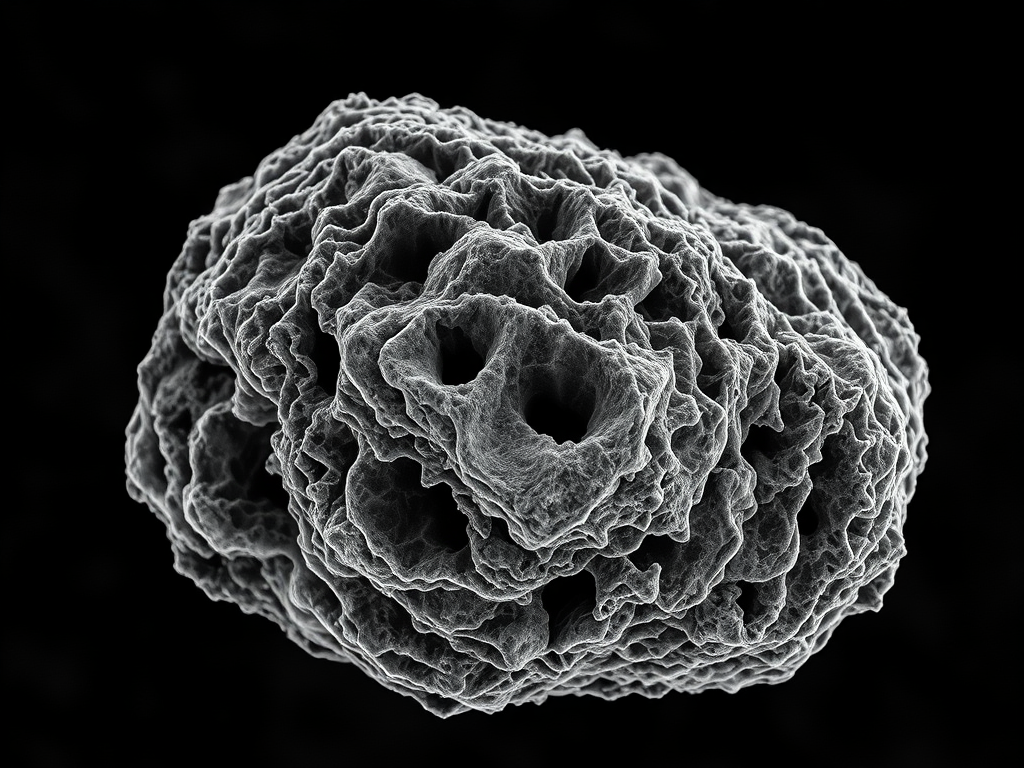
Imagine a lump of charcoalCharcoal is a black, brittle, and porous material produced by heating wood or other organic substances in a low-oxygen environment. It is primarily used as a fuel source for cooking and heating. More. It looks like, well, a lump of charcoal. Black, brittle, and not particularly exciting. But what if that lump was a marvel of the soil, a climate change combatant, and a microscopic puzzle waiting to be solved? That’s biocharBiochar is a carbon-rich material created from biomass decomposition in low-oxygen conditions. It has important applications in environmental remediation, soil improvement, agriculture, carbon sequestration, energy storage, and sustainable materials, promoting efficiency and reducing waste in various contexts while addressing climate change challenges. More, and the way we understand its properties is through a process called characterization. Think of it as a scientific deep-dive to reveal the hidden properties that make each biochar unique.
Biochar , as we all know , the carbonaceous material prepared from pyrolysisPyrolysis is a thermochemical process that converts waste biomass into bio-char, bio-oil, and pyro-gas. It offers significant advantages in waste valorization, turning low-value materials into economically valuable resources. Its versatility allows for tailored products based on operational conditions, presenting itself as a cost-effective and efficient More, transforms the feedstockFeedstock refers to the raw organic material used to produce biochar. This can include a wide range of materials, such as wood chips, agricultural residues, and animal manure. More into a porous material with significant chemical and physical properties. The type of feedstock and the pyrolysis process itself dramatically influence the biochar’s characteristics, from its chemical makeup to its physical structure. And that’s where characterization comes in.
The Toolkit of a Biochar Scientist
To truly understand biochar, scientists use a variety of advanced analytical techniques. It’s like having a high-tech lab full of gadgets, each one revealing a different piece of the puzzle.
- X-Ray Diffraction (XRD) and X-Ray Fluorescence (XRF): If you want to know what a biochar is made of on an atomic level, these are your go-to tools. XRF analysis can determine the inorganic compounds present. For example, biochar from sewage sludge (SS) has high content of CaO, P2O5, and Na2O. XRD helps identify mineralogical phases and can reveal whether a biochar has a crystalline or amorphous structure.
- Scanning Electron Microscopy (SEM): Want to see what biochar looks like up close? SEM provides high-magnification images of the biochar’s surface morphology. This technique lets us see the porous, fine-grained structure that is so important for biochar’s function.

- Thermogravimetric Analysis (TGA): This technique is a bit like putting the biochar on a scale and turning up the heat. TGA measures the mass loss as the temperature increases, revealing the biochar’s thermal stability. This helps scientists understand how the material will behave in different environments and how much of it is made up of volatile matterVolatile matter refers to the organic compounds that are released as gases during the pyrolysis process. These compounds can include methane, hydrogen, and carbon monoxide, which can be captured and used as fuel or further processed into other valuable products. More versus stable char.
- Fourier Transform Infrared Spectroscopy (FTIR): This mouthful of a name is a tool that identifies the functional groups present in biochar. FTIR can reveal the presence of hydroxyl (-OH), carboxyl (-COOH), and C=C bonds, giving us clues about the biochar’s surface chemistry and how it might interact with soil or contaminants.
- Elemental Analysis: This is a fundamental step to determine the composition of a biochar. It quantifies the content of elements like carbon (C), hydrogen (H), nitrogen (N), and oxygen (O). These measurements are used to calculate important molar ratios like H/C and O/C, which are indicators of the biochar’s aromaticity, polarity, and stability. A lower O/C ratio, for instance, suggests a more stable biochar with a half-life that may exceed 1000 years.
How Characterization helps with Site-Specific Applications
These techniques aren’t just for a scientist’s amusement. They are crucial for ensuring biochar quality and matching the right biochar to the right application. The properties of biochar, which can vary significantly depending on the feedstock and production process, determine its effectiveness in different soil types and environments.
- Soil pHpH is a measure of how acidic or alkaline a substance is. A pH of 7 is neutral, while lower pH values indicate acidity and higher values indicate alkalinity. Biochars are normally alkaline and can influence soil pH, often increasing it, which can be beneficial More Adjustment: Many biochars are alkaline, making them suitable for increasing the pH of acidic soils. The pH of biochar is measured with a pH/Eh meter. This characterization step helps determine if a biochar is a good fit for a particular site that requires pH modification.
- Improving Soil Structure and Water Retention: Biochar has a porous structure and a high specific surface area. Characterization techniques like SEM and BET analysis, which determine specific surface area and pore size distribution, are essential for assessing these physical properties. This is vital for applications in sandy soils, where a biochar with high porosityPorosity of biochar is a key factor in its effectiveness as a soil amendment and its ability to retain water and nutrients. Biochar’s porosity is influenced by feedstock type and pyrolysis temperature, and it plays a crucial role in microbial activity and overall soil health. Biochar More can improve water retention.
- Contaminant Remediation: The porous structure and adsorption potential of biochar allow it to be used for the adsorption of contaminants, including heavy metals and metalloids, and the remediation of contaminated soils. The toxicity of biochars can be assessed using tests like EN 12457-2. This helps ensure the biochar is suitable for a specific contaminated site.
- Nutrient Management: Biochar can improve soil properties like nutrient retention capacity and enhance nutrient availability in plants. Elemental analysis and XRF can determine the content of inorganic compounds and other elements, such as P2O5 and CaO, which can act as a slow-release fertilizer. This characterization helps identify a biochar that is rich in beneficial nutrients for a site needing a fertility boost.
- Long-term Carbon Sequestration: For biochar to be an effective tool for climate change mitigation, it must be stable in soil for long periods. Elemental analysis, which measures the O/C ratio, is a critical characterization step for this application. A lower O/C ratio indicates greater stability and a longer residence timeResidence time refers to the duration that the biomass is heated during the pyrolysis process. The residence time can influence the properties of the biochar produced. More in the soil.
In conclusion, a lump of biochar is far from a simple piece of carbon. It is a complex material with a story told through its elemental composition, microstructure, and thermal properties. By meticulously characterizing biochar, we can unlock its full potential and harness its power to address some of our planet’s most pressing challenges.
So the next time you see that black stuff, remember, it’s not just charcoal—it’s a scientific marvel in disguise.




Leave a Reply