
Key Takeaways
- Explosive Growth: Research on using biocharBiochar is a carbon-rich material created from biomass decomposition in low-oxygen conditions. It has important applications in environmental remediation, soil improvement, agriculture, carbon sequestration, energy storage, and sustainable materials, promoting efficiency and reducing waste in various contexts while addressing climate change challenges. More in farming has grown incredibly fast, with over 20 times more papers published annually in 2021 compared to 2010.
- China Leads: China is the dominant country in agricultural biochar research, publishing almost half the scientific papers globally between 2001-2021.
- Soil & Climate Focus: Much of the research looks at how biochar improves soil quality, helps store carbon to combat climate change, and cleans up soil/water pollution.
- Sustainability Link: Biochar is seen as a key technology for making agriculture more sustainable and meeting global environmental goals.
We all are quite familiar with the black gold, yes our biochar. Scientists are excited about its potential: it can improve soil structure, help hold water and nutrients, trap carbon long-term, and even clean up pollutants. With links to sustainable farming and tackling climate change, it’s no surprise that research in this area is booming. But just how fast is it growing, and who’s leading the charge?
Looking back over the last couple of decades (specifically 2001-2021), the scientific interest in using biochar for agriculture has exploded. In the early 2000s, only a handful of papers came out each year. Fast forward to 2010, and the number jumped to 42 publications. By 2021, that number had surged to a staggering 882 papers published in just one year! That’s a massive increase, showing just how rapidly researchers worldwide have turned their attention to biochar’s agricultural applications, likely driven by growing environmental concerns and sustainability goals.
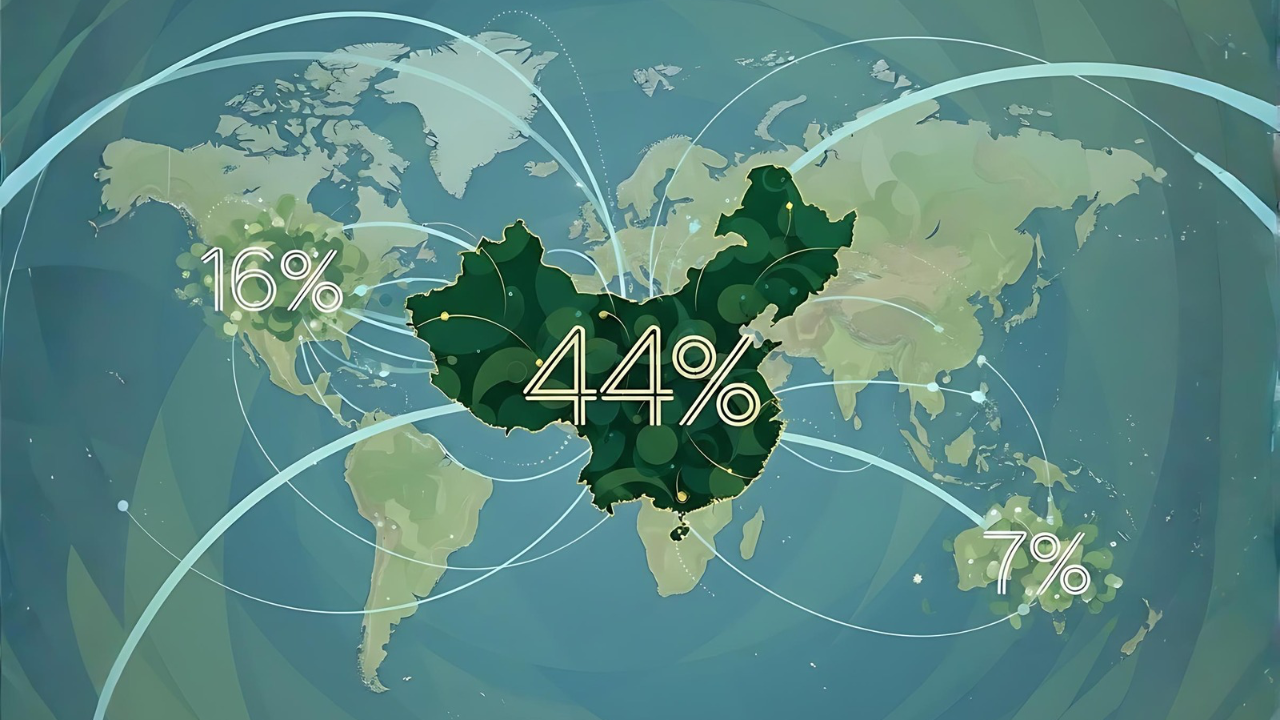
Where is all this research happening? The data points overwhelmingly to China as the global powerhouse, responsible for nearly half (44%) of all the agricultural biochar publications during the study period. The United States (16%) and Australia (7%) also play major roles. This geographic concentration extends to institutions, with many of the most productive research centers based in China. Strong international collaborations exist, particularly between China, the US, and Australia, forming a global network tackling biochar questions.
What exactly are scientists studying? The most common themes revolve around biochar’s role as a soil amendmentA soil amendment is any material added to the soil to enhance its physical or chemical properties, improving its suitability for plant growth. Biochar is considered a soil amendment as it can improve soil structure, water retention, nutrient availability, and microbial activity. More to improve fertility and crop growth. Its ability to store carbon in the soil long-term (carbon sequestration) is another huge area, directly linked to fighting climate change. Researchers are also keenly investigating how biochar, sometimes modified physically or chemically, can clean up heavy metals and other pollutants in soil and water through adsorption and immobilization. Early influential studies often focused on biochar’s basic structure and its initial potential for climate mitigation and soil improvement.

This wave of research is supported by significant funding, much of it originating from national science foundations, particularly in China. The findings are being published in major environmental science and soil science journals, indicating mainstream scientific acceptance.
The massive increase in research shows that biochar isn’t just a niche interest anymore. It’s a globally recognized tool with the potential to make agriculture more sustainable, manage waste effectively, and contribute to climate solutions. While much has been learned, researchers emphasize the need for ongoing work, especially site-specific studies and exploring any potential long-term environmental impacts, to fully realize biochar’s promise for a healthier planet.
For Further Reading
Wang, J., & Wang, S. (2019). Preparation, modification and environmental application of biochar: A review. Journal of Cleaner Production, 227, 1002-1022.
Meena, B. P., Yadav, D. K., Yeasin, M., Shirale, A. O., Gurav, P. P., Shinogi, K. C., … & Behera, S. K. (2025). Emerging research trends on biochar application in agriculture: A scientometric analysis. Cleaner and Circular Bioeconomy, 12, 100166.
Varkolu, M., Gundekari, S., Omvesh, Palla, V. C. S., Kumar, P., Bhattacharjee, S., & Vinodkumar, T. (2025). Recent advances in biochar production, characterization, and environmental applications. Catalysts, 15(3), 243
Kabir, E., Kim, K., & Kwon, E. E. (2023). Biochar as a tool for the improvement of soil and environment. Frontiers in Environmental Science, 11: 1-17.





Leave a Reply