
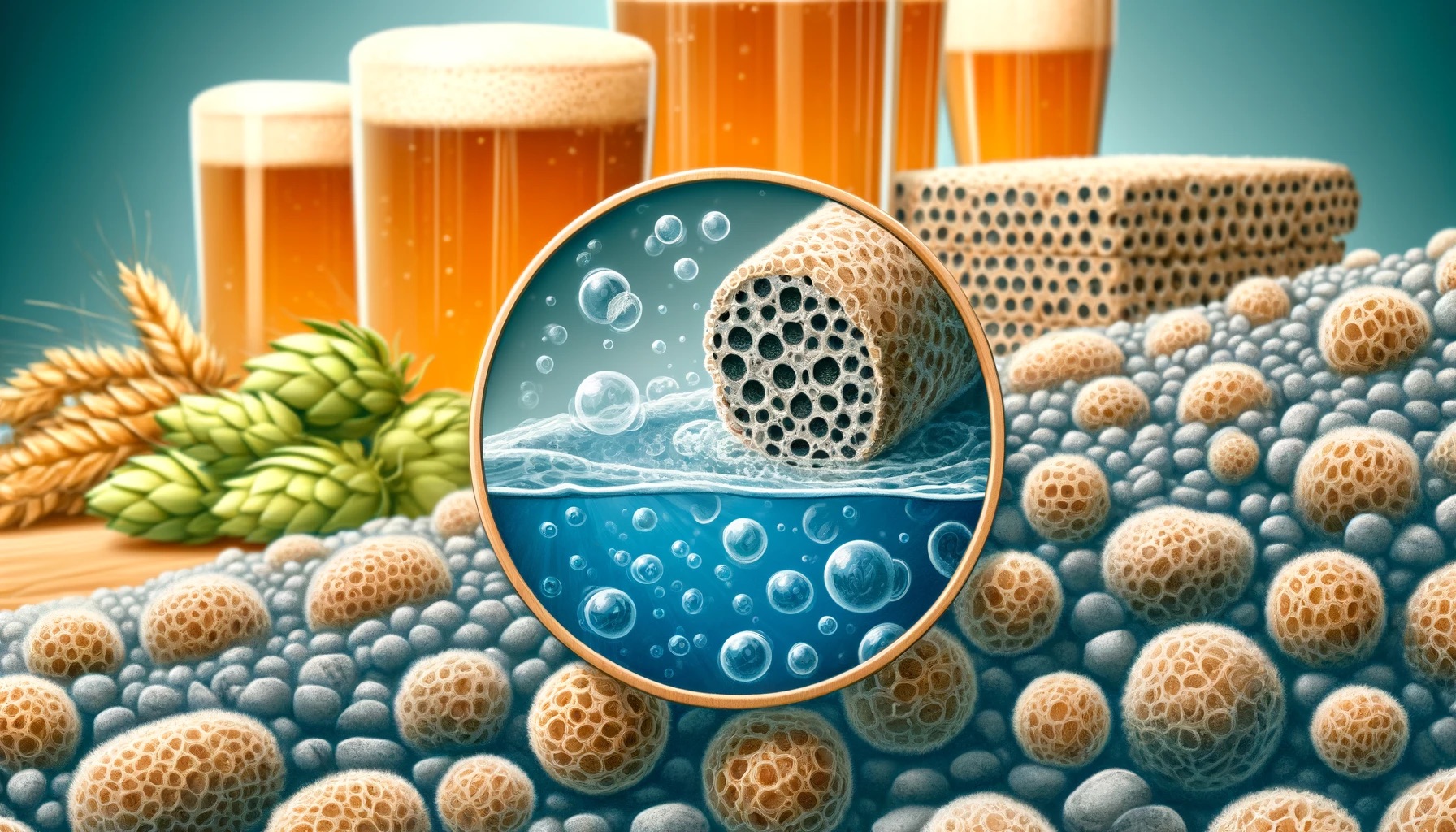

Researchers have explored the potential of biochar derived from malt bagasse, a byproduct of beer production, to remove fluoroquinolone antibiotics from water. This study, published in the Journal of Analytical and Applied Pyrolysis, investigates how different carbonization processes—pyrolysis and hydrothermal carbonization—affect the biochar’s ability to adsorb these contaminants.
Malt bagasse is rich in organic material, making it a promising candidate for biochar production. The researchers produced biochar using two methods: pyrolysis (PC-500) and hydrothermal carbonization (HC-150). Both processes were also tested with phosphoric acid activation to enhance adsorption properties.
The study found that the biochars produced, particularly those from hydrothermal carbonization, had a high surface area and porosityPorosity of biochar is a key factor in its effectiveness as a soil amendment and its ability to retain water and nutrients. Biochar’s porosity is influenced by feedstock type and pyrolysis temperature, and it plays a crucial role in microbial activity and overall soil health. Biochar More, which are crucial for effective adsorption. When tested on three fluoroquinolones—ciprofloxacin, enrofloxacin, and norfloxacin—the hydrothermally produced biochar (HC-150) showed superior adsorption capacity, especially at a pHpH is a measure of how acidic or alkaline a substance is. A pH of 7 is neutral, while lower pH values indicate acidity and higher values indicate alkalinity. Biochars are normally alkaline and can influence soil pH, often increasing it, which can be beneficial More of 8, where neutral fluoroquinolone species dominate.
The results suggest that malt bagasse-derived biochar, especially from hydrothermal processes, is an efficient, low-cost material for removing fluoroquinolones from aqueous systems. This approach aligns with circular economy principles, turning waste into a valuable resource for environmental remediation, particularly in addressing the challenge of pharmaceutical contaminants in water.




Leave a Reply