
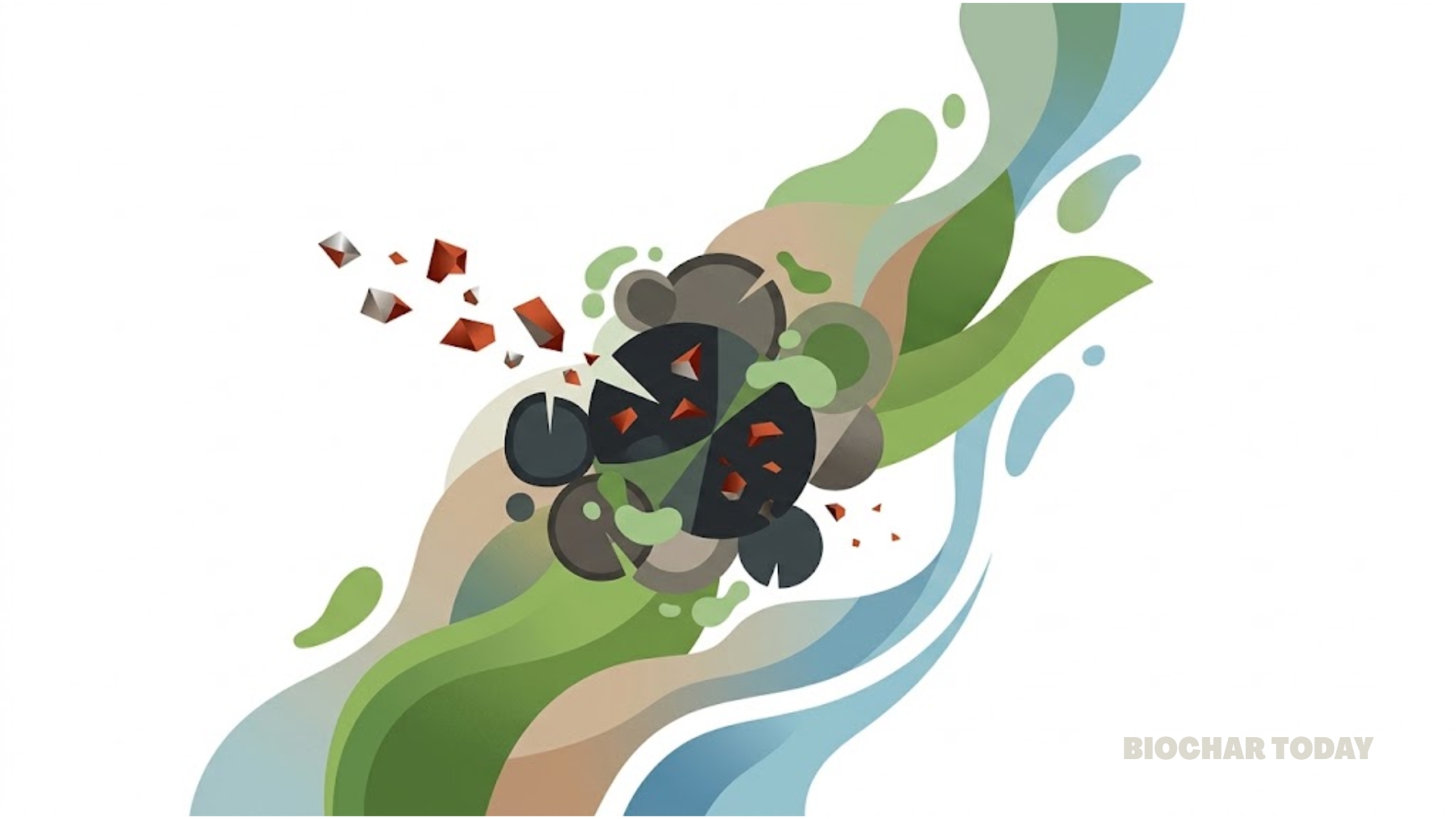
Key Takeaways
- Heavy metal pollution from toxic cadmium hurts rice growth and threatens food safety when the metal accumulates in the grains we eat.
- Mixing charcoalCharcoal is a black, brittle, and porous material produced by heating wood or other organic substances in a low-oxygen environment. It is primarily used as a fuel source for cooking and heating. More made from bamboo with beneficial soil bacteria protects crops, keeping toxic metals locked in the ground.
- The dual-action treatment reduces cadmium levels in rice grains by more than eighty-five percent compared to untreated crops.
- This combined strategy also cleans the surrounding dirt, lowering available soil cadmium levels by over eighty-eight percent.
- The treatment improves long-term soil fertility by increasing organic matter and encouraging helpful microbes to thrive.
Cadmium contamination in agricultural soils has emerged as a major threat to global food safety, crop productivity, and environmental health. Rice is highly vulnerable to this toxic heavy metal because cadmium becomes highly mobile under wet paddy field conditions, allowing roots to easily absorb it. Once inside the plant, cadmium hijacks essential nutrient pathways, transporting rapidly from roots up through the stems and ultimately accumulating in the grain. Consuming contaminated rice can lead to serious health issues in humans, including kidney dysfunction, bone demineralization, and a higher risk of cancer. At the agricultural level, high cadmium concentrations severely stunt crop development, shortening plant height, restricting root growth, and heavily reducing crop yields. Finding cost-effective and sustainable methods to block this food chain contamination is critical for global agricultural safety.
To solve this persistent problem, researchers from North Minzu University and their co-authors tested the individual and combined effects of bamboo biocharBiochar is a carbon-rich material created from biomass decomposition in low-oxygen conditions. It has important applications in environmental remediation, soil improvement, agriculture, carbon sequestration, energy storage, and sustainable materials, promoting efficiency and reducing waste in various contexts while addressing climate change challenges. More and a beneficial bacterial agent containing Bacillus species. While applying biochar or soil bacteria individually can help immobilize heavy metals, using them in combination yields a powerful synergistic effect. The porous structure of bamboo biochar acts as a physical sponge that adsorbs cadmium ions, while also providing a protective habitat and nutrients for the beneficial bacteria. Simultaneously, the bacteria stimulate plant growth, enhance soil microbial activity, and assist in biochemically trapping the heavy metal. This dual-action approach targets the root zone microhabitat, lowering the availability of cadmium in the soil and preventing it from entering the plant transport system.
The experimental results revealed that the combined treatment vastly outperformed single-remediation methods across all key metrics. Under a high cadmium stress environment of twenty milligrams per kilogram, the combined application reduced toxic cadmium accumulation in the grains by 85.98 percent, in the stems by 88.66 percent, and in the roots by 73.89 percent. The treatment successfully lowered the plant translocation factors, which indicates that it strengthened the natural root barrier of the rice, keeping the majority of the absorbed cadmium sequestered in the roots rather than allowing it to travel upward to the edible grain. Furthermore, the combined treatment decreased the available soil cadmium concentration by 88.38 percent, showcasing its remarkable ability to immobilize the contaminant directly within the dirt.
Beyond detoxifying the crop and soil, the combined amendment significantly improved the overall health and biological complexity of the rhizosphere. It successfully reversed the soil degradation caused by cadmium stress, increasing soil organic matter and total nitrogen content. While cadmium pollution typically reduces the richness and diversity of beneficial soil bacteria, the combined treatment led to higher bacterial richness and diversity than the untreated cadmium group. Advanced network analysis identified the genus Flavisolibacter as a critical keystone taxon in the treated soil, which helps produce growth-promoting plant hormones and secures the structural stability of the rhizosphere microbial community. By simultaneously securing food safety, restoring soil fertility, and leveraging renewable carbon materials, this integrated approach provides a practical, sustainable pathway toward achieving global zero hunger and soil conservation goals.
Source: Gyrat, A., Hu, J., Zhang, Y., Zhuang, C., Qu, X., Zhao, H., Ma, K., Yan, X., Ding, X., & Kang, P. (2026). Combination of Microbial Agent and Bamboo Biochar Decreased the Content of Cd and Changed the Rhizosphere Microbiome in Oryza sativa L. Agronomy, 16(5), 938.



Leave a Reply