Skip to content
LinkedIn
X
Facebook
Instagram
Reddit
Spotify
RSS Feed
Search
News
Blog
Industry Insights
Expert Profiles
Biochar Decoded
Ask Annie
Announcements
Podcast
Videos
Insights
Use Cases
Agriculture
Horticulture
Livestock
Landscaping
Building Materials
Concrete / Asphalt
Reforestation
Soil Remediation
Water Treatment
Carbon Sequestration
About
About Biochar Today
Partner Directory
Editorial Guidelines
Contact
food safety
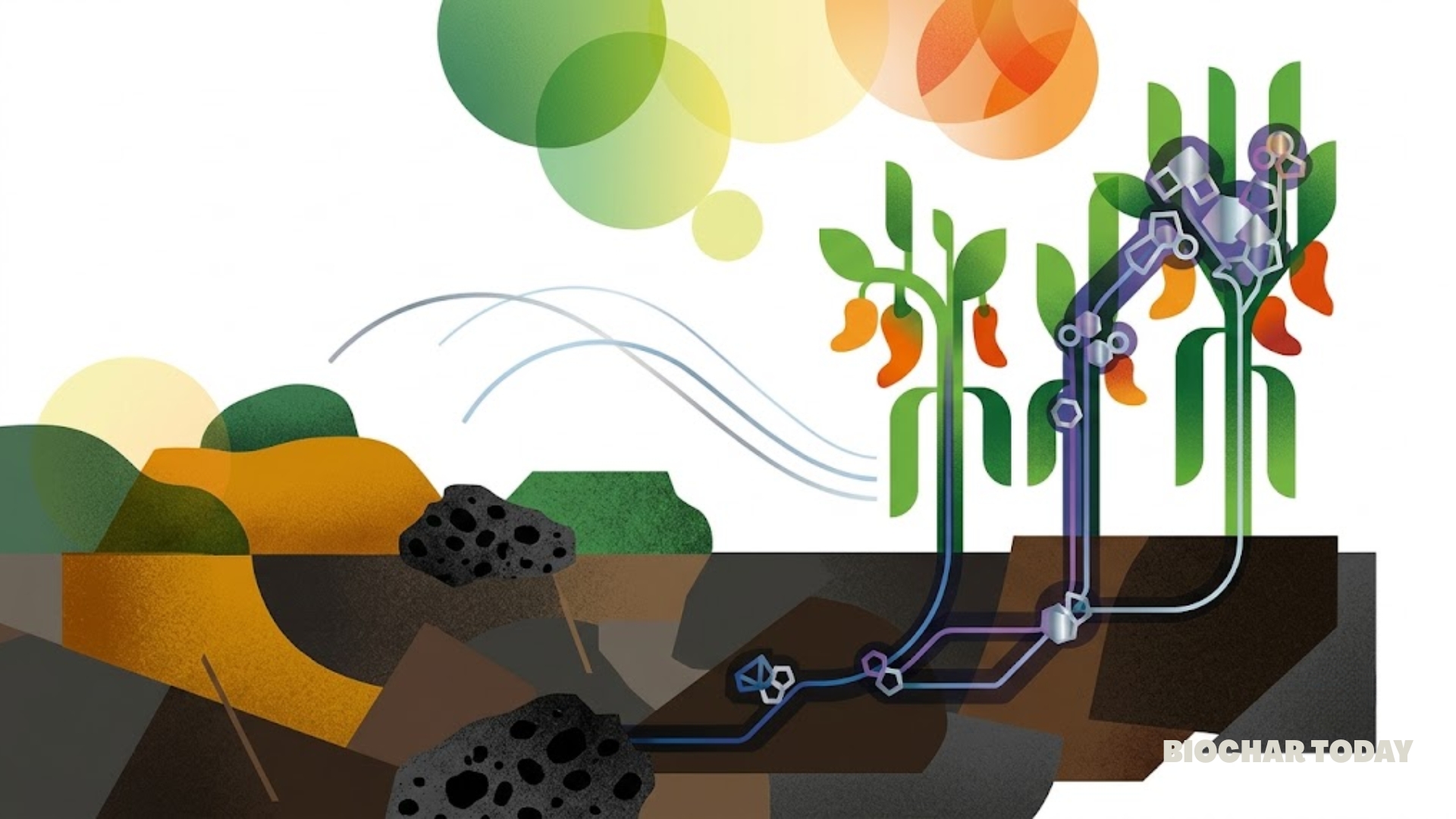
Hot Peppers Successfully Clean Contaminated Soil While Remaining Safe for Daily Consumption
Engineered Nano-Biochar Reduces Food Crop Arsenic Accumulation by Up to 88 Percent to Protect Public Health
Engineered Biochar Boosts Grain Yields by 69% and Increases Net Profit to $1,265 Per Hectare
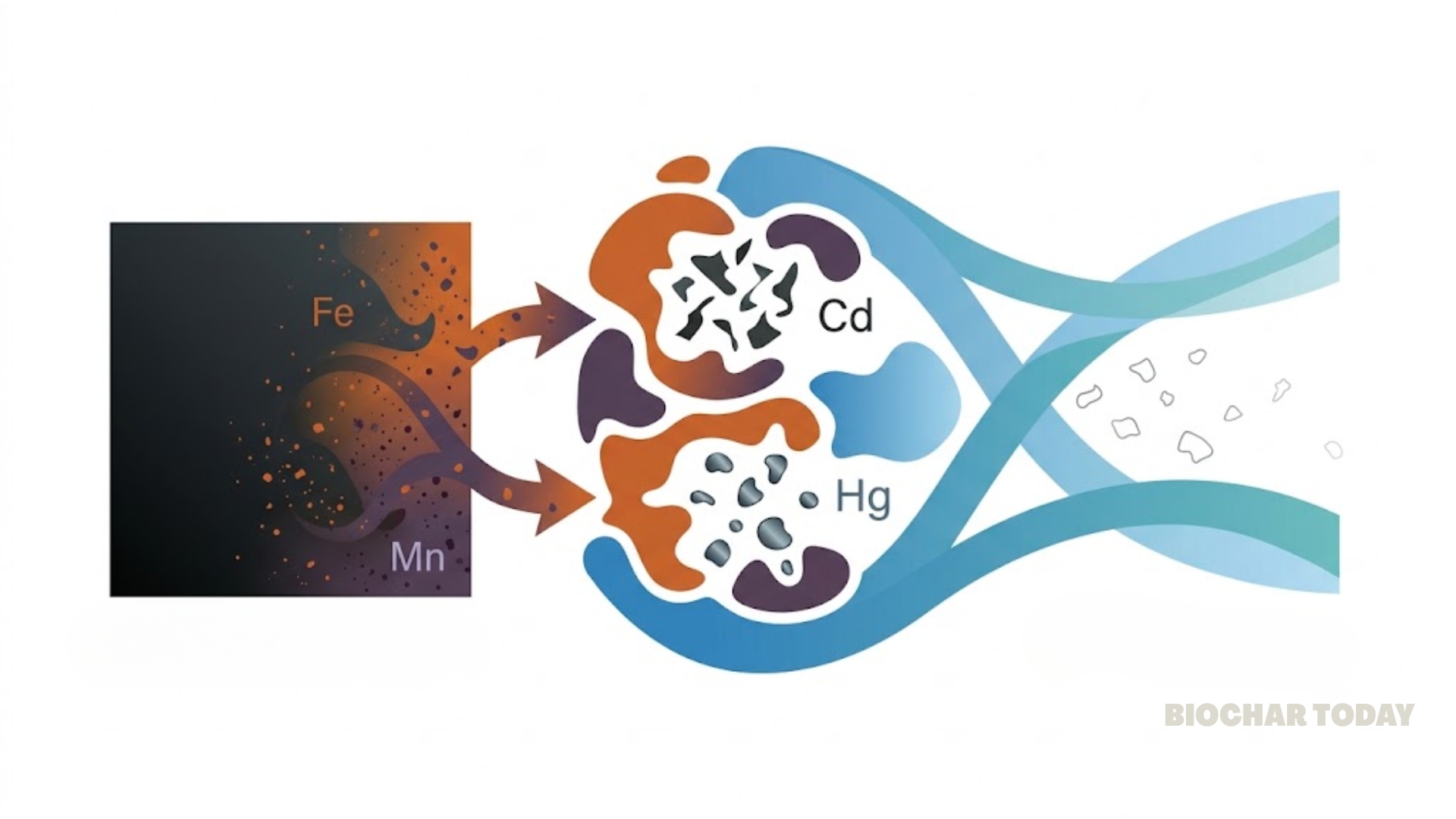
Combining Iron Manganese Biochar with Strategic Irrigation Minimizes Grain Cadmium to 0.05 Milligrams and Methylmercury to 6.89 Micrograms
North Minzu University Team Combines Bamboo Biochar and Bacteria to Decrease Rice Grain Cadmium by 85.98 Percent
Modified Biochar and Iron Nanocomposites Remove Ninety Percent of Soil Herbicides and Reduce Crop Contamination by Over Eighty Percent
Agricultural Waste-Derived Biochar Reduces Harmful Metal Uptake in Food Crops by Up to Ninety-Three Percent
Modified Biochar Reduces Fluoride in Tea Leaves by Forty-Eight Percent
Biochar Amendments Can Reduce Heavy Metal Uptake by Nearly 40% and Boost Crop Yields by Over 100%
The Future Voice of Soil Health: An Interview with Biochar Researcher Dr. Qazi Shoaib Ali on Biochar Based Sustainable Soil Remediation
1
2
3
4
Next Page
Loading Comments...
Write a Comment...
Email (Required)
Name (Required)
Website