
Key Takeaways
- Hot peppers effectively absorb several heavy metals from treated soils.
- Adding biocharBiochar is a carbon-rich material created from biomass decomposition in low-oxygen conditions. It has important applications in environmental remediation, soil improvement, agriculture, carbon sequestration, energy storage, and sustainable materials, promoting efficiency and reducing waste in various contexts while addressing climate change challenges. More and manure helps manage environmental pollutant levels.
- Edible plant parts stay safely below established health protection limits.
- Plant cultivation offers a sustainable approach for restoring polluted land.
- Natural soil amendments improve overall agricultural and ecological safety.
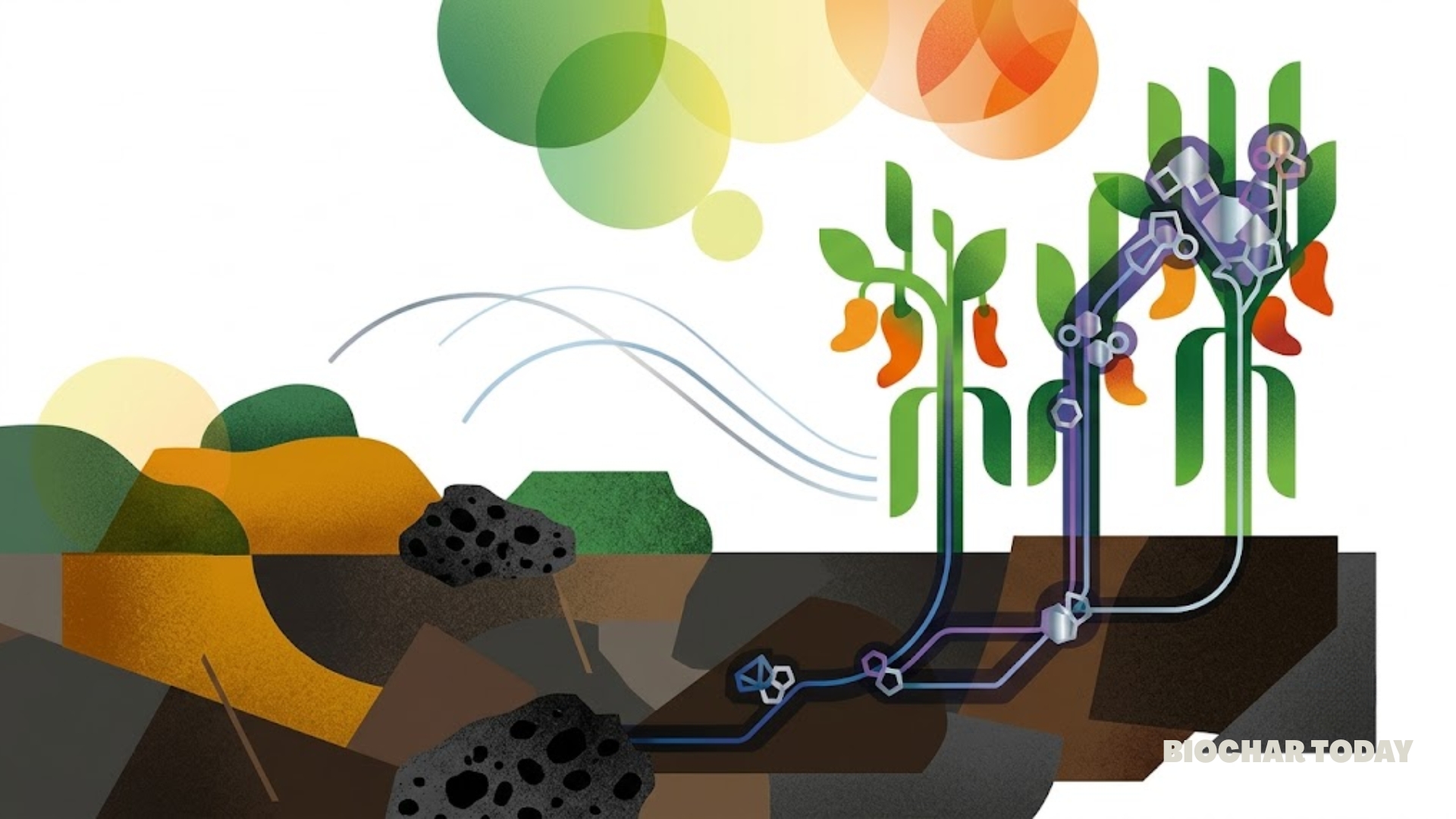
A recent study in Environmental Pollution and Management by Basanta Neupane, George F. Antonious, Mohammad H. Dawood, and Anjan Nepal evaluates how hot peppers manage soil contamination. Heavy metal pollution from agricultural and industrial growth poses a continuous threat to global ecosystems because these toxic elements are non-biodegradable and persist in the environment. Traditional cleanup methods are often expensive and generate secondary waste, making eco-friendly alternatives like phytoremediationThis is a technique that uses plants to clean up contaminated soil or water. Biochar can enhance phytoremediation by improving soil conditions and promoting plant growth, allowing plants to absorb and break down pollutants more effectively. More essential. Researchers investigated whether hot peppers grown under various organic and inorganic soil amendments could successfully extract metallic pollutants without compromising food safety.
The field experiment tested seven distinct soil treatments combined with biochar to observe metal uptake dynamics in Georgia Flame hot peppers. Results showed that while certain toxic metals like lead, chromium, and manganese exhibited lower movement into the plant, others accumulated significantly. Specifically, elements such as cadmium, magnesium, zinc, nickel, and copper displayed high bioaccumulation factor values exceeding one, proving that hot peppers function effectively as bio-extractors for these specific elements. Furthermore, potassium and magnesium levels reached high concentrations within the harvested fruit tissues. Despite the successful uptake of these target metals into the plant system, the concentrations detected in the edible fruits remained strictly within permissible safety limits established by international authorities. These findings confirm that utilizing hot peppers alongside appropriate soil conditioners provides a viable strategy for environmental restoration while keeping food supply chains safe for human consumption.
Source: Neupane, B., Antonious, G. F., Dawood, M. H., & Nepal, A. (2026). Bioaccumulation of heavy metals in hot pepper grown in biochar and animal manure-amended soil. Environmental Pollution and Management, 3, 42-51.




Leave a Reply