
Key Takeaways
- Combining living plants with enhanced charcoalCharcoal is a black, brittle, and porous material produced by heating wood or other organic substances in a low-oxygen environment. It is primarily used as a fuel source for cooking and heating. More cleans polluted soil and makes farmlands safe for growing food again.
- The specialized soil additive traps harmful heavy metals so that crops absorb almost none of the toxins.
- Healthy soil conditions lead to much larger harvests and stronger crops that can defend themselves against stress.
- Grains grown in treated fields meet strict global safety rules for human consumption.
- Farmers earn significantly higher profits because the boost in harvest value far outweighs the cost of treatment.
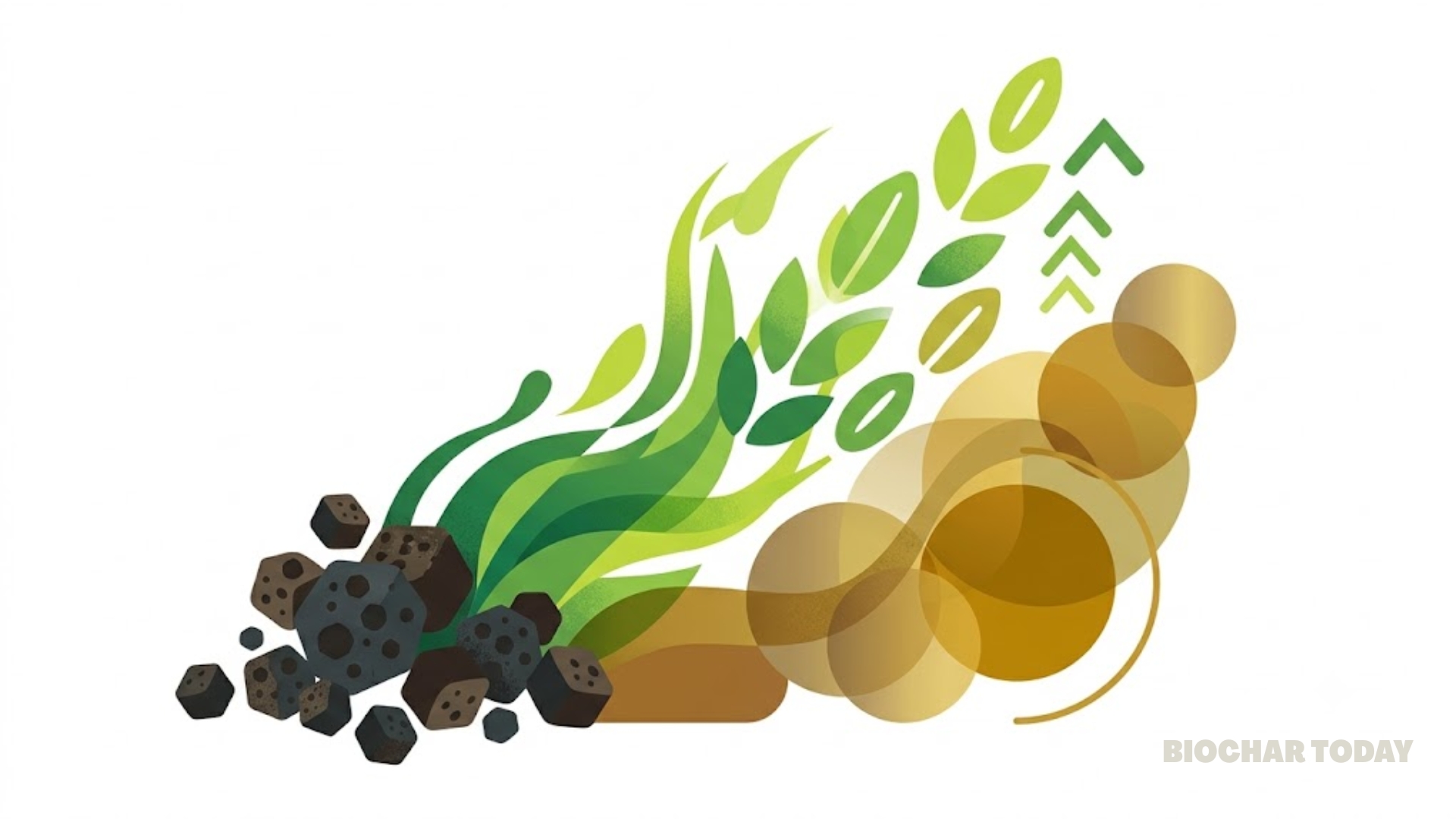
Heavy metal pollution in agricultural soil poses a growing threat to global food safety and farm economics. Toxic elements like cadmium, lead, arsenic, and nickel accumulate in arable land through industrial activities and contaminated irrigation water. When crops absorb these elements, the metals enter the food chain, creating serious human health risks while simultaneously stunting plant growth and destroying crop yields. Traditional cleanup methods are often prohibitively expensive or strip the soil of its natural fertility. To address this crisis, researchers evaluated an innovative approach combining plant-based cleanup with a multi-element engineered biocharBiochar is a carbon-rich material created from biomass decomposition in low-oxygen conditions. It has important applications in environmental remediation, soil improvement, agriculture, carbon sequestration, energy storage, and sustainable materials, promoting efficiency and reducing waste in various contexts while addressing climate change challenges. More designed to restore soil health while maintaining productive farming.
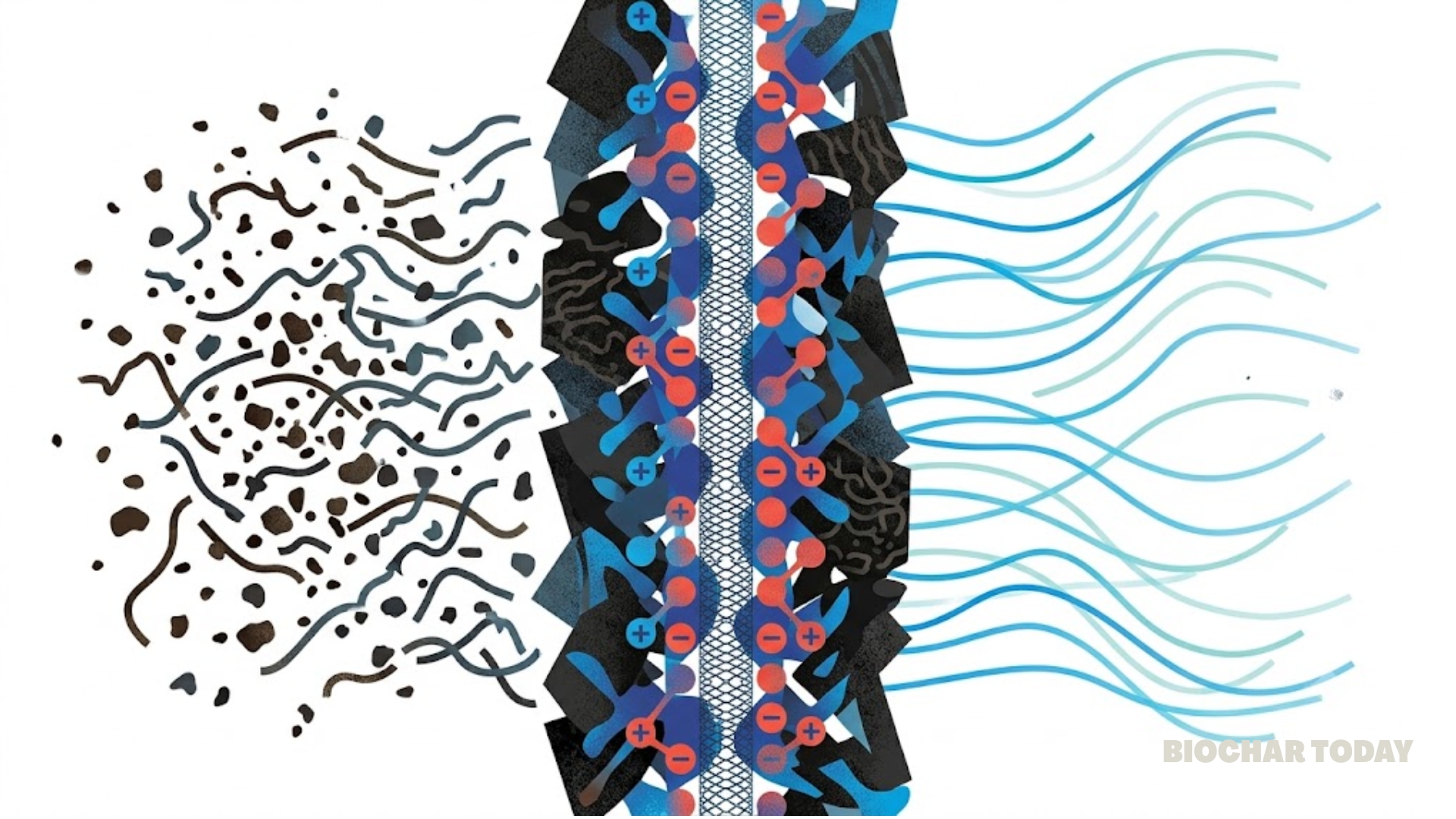
The groundbreaking research evaluated a integrated system utilizing phytoremediationThis is a technique that uses plants to clean up contaminated soil or water. Biochar can enhance phytoremediation by improving soil conditions and promoting plant growth, allowing plants to absorb and break down pollutants more effectively. More alongside a specialized magnesium oxide-silicon-hydroxyapatite biochar. This advanced soil amendmentA soil amendment is any material added to the soil to enhance its physical or chemical properties, improving its suitability for plant growth. Biochar is considered a soil amendment as it can improve soil structure, water retention, nutrient availability, and microbial activity. More works by altering the chemical behavior of heavy metals in the ground. The porous structure and functional chemistry of the biochar bind toxic ions tightly to soil particles, preventing them from dissolving in water or moving toward plant roots. By locking these contaminants in place, the treatment effectively neutralizes their immediate environmental threat without requiring the removal of tons of topsoil.
The physical and chemical recovery of the land was dramatic following the application of the engineered biochar. Soil density decreased while overall porosityPorosity of biochar is a key factor in its effectiveness as a soil amendment and its ability to retain water and nutrients. Biochar’s porosity is influenced by feedstock type and pyrolysis temperature, and it plays a crucial role in microbial activity and overall soil health. Biochar More and water retention improved significantly. The treated soil experienced a massive surge in organic carbon and cation exchange capacity, which allowed the ground to hold onto vital nutrients much more efficiently. Soil nitrogen levels increased by 150 percent, phosphorus doubled, and potassium rose by over 77 percent. This dramatic shift in nutrient availability created an ideal growing environment, helping plants recover from previous environmental stresses.
The reduction in active soil toxins directly transformed plant health and productivity. With toxic heavy metals immobilized, crop plants no longer suffered from severe cellular damage. The amended soil supported a 73 percent increase in total plant biomassBiomass is a complex biological organic or non-organic solid product derived from living or recently living organism and available naturally. Various types of wastes such as animal manure, waste paper, sludge and many industrial wastes are also treated as biomass because like natural biomass these More and a 69 percent increase in maize grain yield, raising harvests from 4.2 to 7.1 metric tons per hectare. Physiological testing showed that the plants experienced far less oxidative stress, as evidenced by higher internal antioxidant enzyme activity and lower markers of cell damage.
Most importantly for consumer health, the treatment prevented toxic metals from reaching the edible portions of the crops. Metal concentrations in the harvested maize grains dropped by as much as 98.5 percent. This huge reduction brought heavy metal levels well below the strict safety limits set by international food standards, including guidelines from the European Union and Codex. The system successfully turned toxic, unusable farmland back into a source of safe, marketable food.
The economic analysis highlights the real-world practicality of this cleanup technique for agricultural communities. While manufacturing and applying the specialized biochar costs around $200 per hectare, the dramatic boost in grain harvest generates an extra $840 in gross revenue per hectare. This brings the net return for farmers to $1,265 per hectare, more than double the net profit of untreated land. The higher benefit-to-cost ratio proves that advanced ecological restoration can be highly profitable for growers. Combining plant-based remediation with engineered biochar offers a scalable, economically rewarding pathway to reclaim polluted lands, secure farm income, and protect the global food supply.
Source: Zhang, Y., Wang, L., Liu, X., Chen, Z., & Zhao, H. (2025). Integrated phytoremediation and engineered biochar applications for heavy metal immobilization, soil health restoration, and economic crop production. Environmental Pollution, 340, 122890.




Leave a Reply