
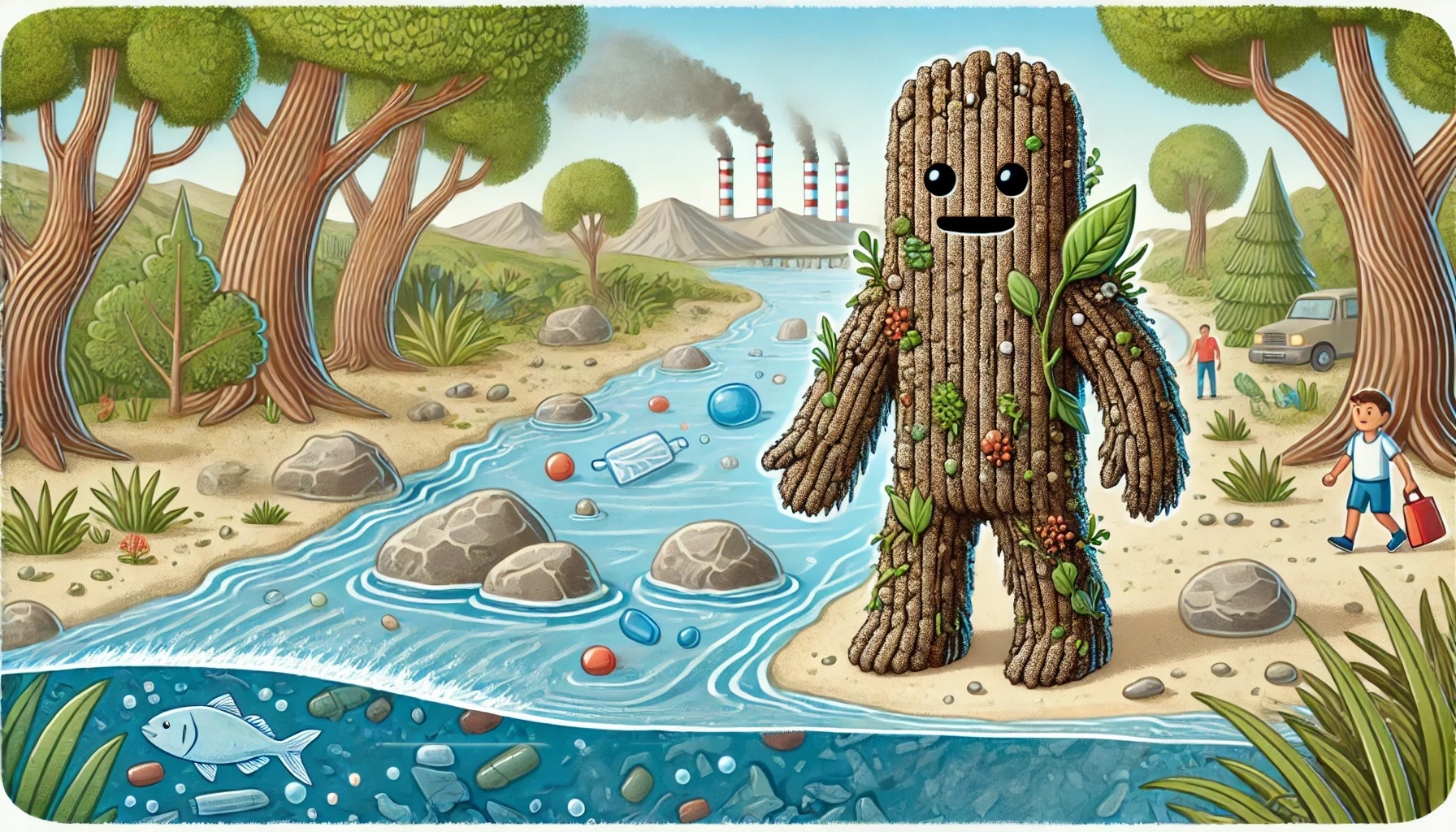

In a study published in the Journal of Water Process Engineering, researchers explored the combined use of biochar (BC) and microplastics (MPs) to remove tetracycline (TC) from water. Tetracycline, a commonly used antibiotic, is a significant environmental pollutant, and its presence in water bodies poses challenges due to its resistance to degradation.
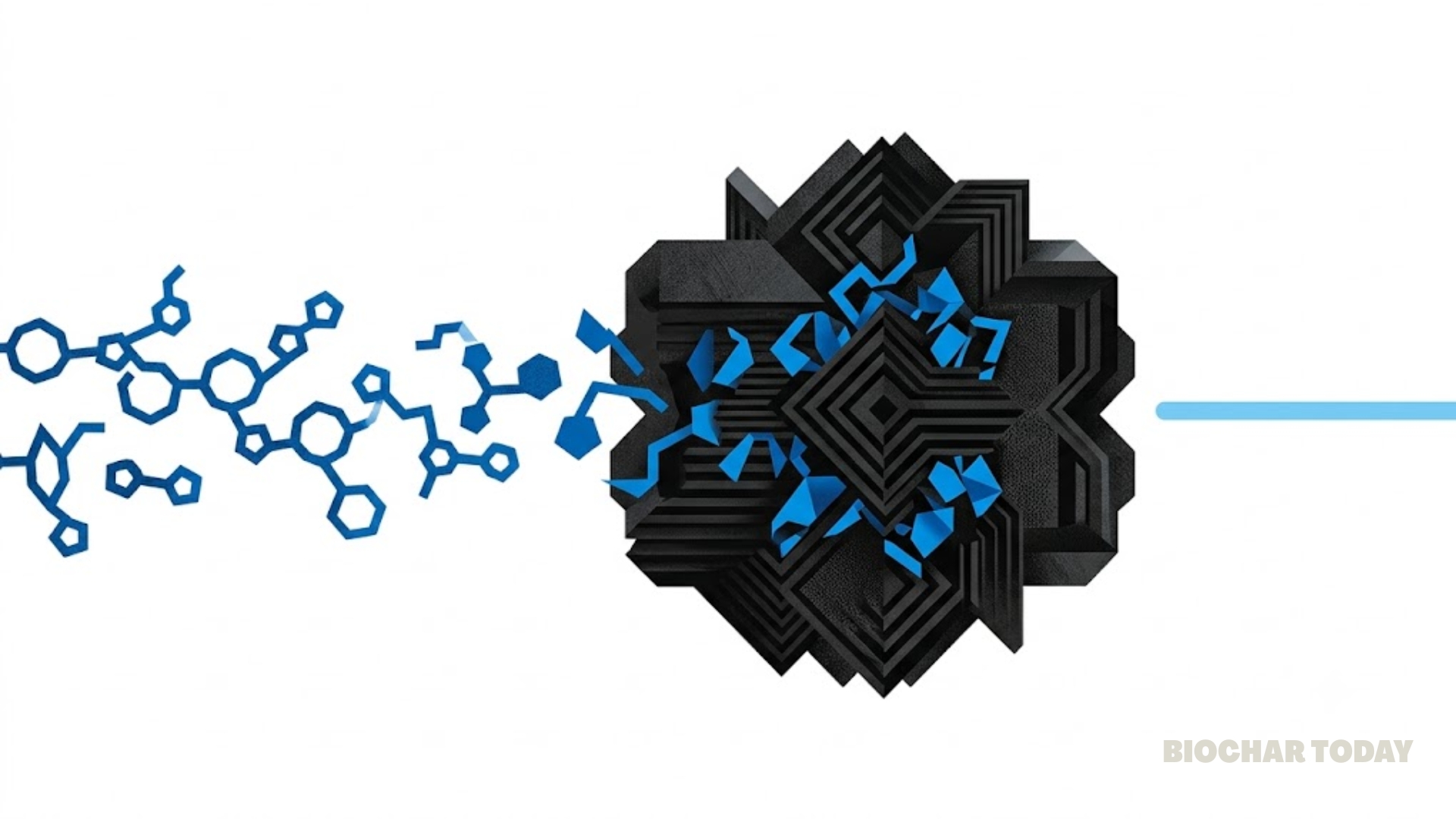
The study focused on vitamin C-modified crayfish shell biochar (CSB-VC) combined with aged microplastics, including polyethylene (PE), polypropylene (PP), and polyvinyl chloride (PVC). These materials were shown to enhance the adsorption of TC due to synergistic effects. The team found that oxygen-containing functional groups on aged MPs improved adsorption, and the combination of biochar and MPs offered better performance than either material used individually.
The maximum adsorption capacities of the CSB-VC systems with PE, PP, and PVC were 275.99 mg/g, 275.24 mg/g, and 284.48 mg/g, respectively. The study also utilized models like the pseudo-second-order kinetic model and Freundlich isotherm to describe the adsorption process, confirming the contribution of mechanisms such as van der Waals forces, hydrogen bonding, and electrostatic interactions.
This research highlights the potential for combining biochar and microplastics to treat water polluted by antibiotics, opening avenues for more sustainable solutions to address complex environmental pollution challenges.



Leave a Reply