
Key Takeaways
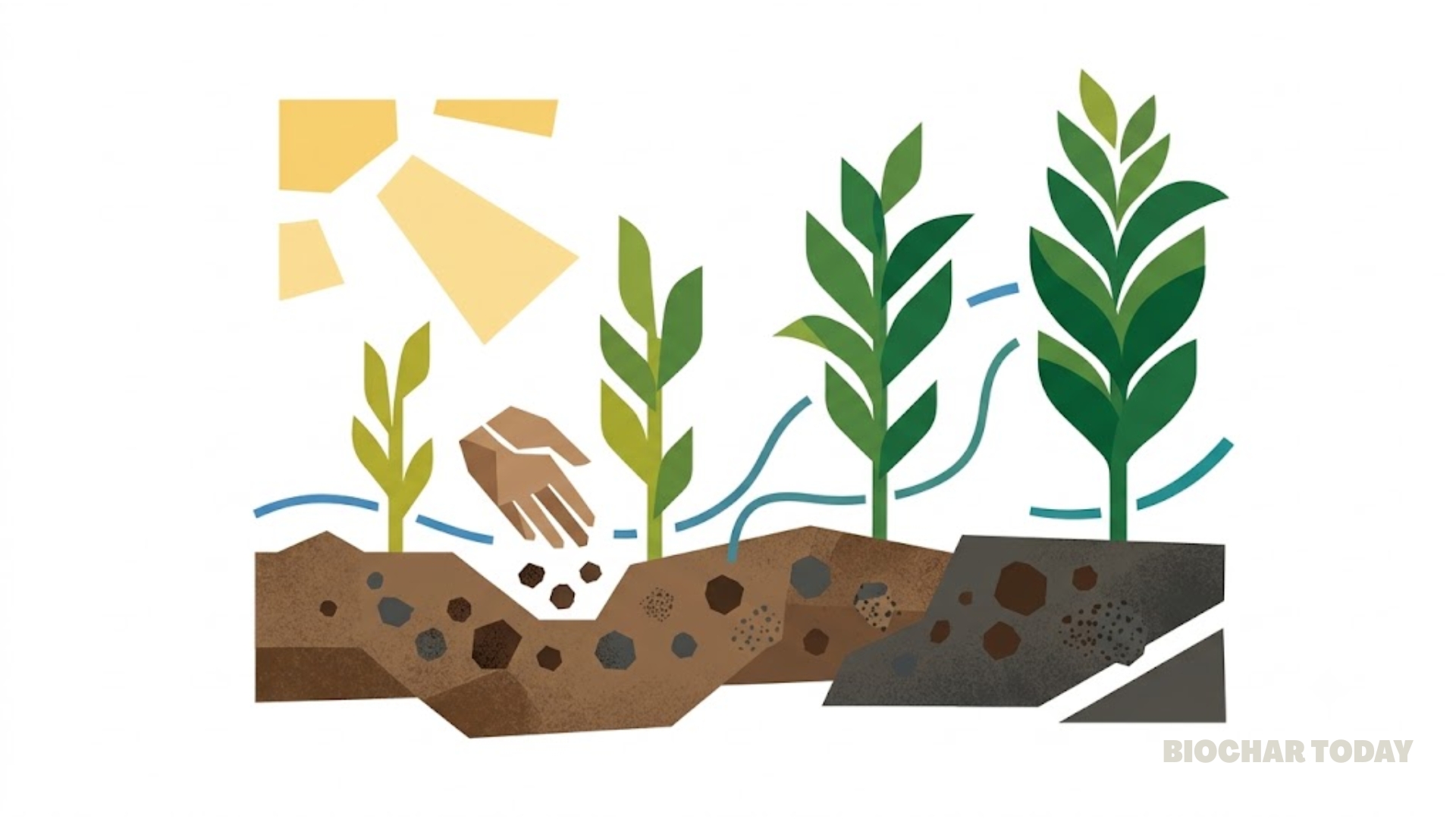
- Applying biocharBiochar is a carbon-rich material created from biomass decomposition in low-oxygen conditions. It has important applications in environmental remediation, soil improvement, agriculture, carbon sequestration, energy storage, and sustainable materials, promoting efficiency and reducing waste in various contexts while addressing climate change challenges. More made from cacao shells to poor tropical soil significantly boosts corn harvests over multiple growing seasons.
- The high natural lime content in cacao shell biochar neutralizes strong soil acidity and reduces harmful toxic metals.
- Biochar created from cacao waste performs noticeably better at improving soil health than biochar made from rice husks.
- Crop yields peak during the second season after application and gradually decrease by the fifth growing season.
- Farmers need to reapply the organic biochar roughly every three seasons to maintain strong agricultural output.
In a field experiment published in the journal Science of The Total Environment, researchers investigated how agricultural waste products could restore heavily degraded, acidic tropical land in Sumatra, Indonesia. The team applied biochar derived from cacao shells and rice husks at rates of five and fifteen tons per hectare to degraded Ultisol soil, tracking crop performance across five consecutive maize growing seasons. The findings revealed that plots treated with cacao shell biochar produced substantially higher maize yields compared to untreated land, demonstrating a practical approach for turning farming waste into a valuable soil conditioner.
The impressive agricultural improvement stems directly from the distinct chemical properties of cacao shell biochar. Compared to rice husk biochar, the cacao material possesses a much higher pHpH is a measure of how acidic or alkaline a substance is. A pH of 7 is neutral, while lower pH values indicate acidity and higher values indicate alkalinity. Biochars are normally alkaline and can influence soil pH, often increasing it, which can be beneficial More and superior acid neutralizing capability. When incorporated into acidic tropical dirt, it acts as an effective liming agent that decreases harmful soil acidity. This process optimizes the calcium to aluminum balance in the ground, effectively mitigating aluminum toxicity that typically stunts plant roots and restricts crop growth in degraded tropical regions.
Throughout the multi-year observation period, maize production on soil treated with fifteen tons per hectare of cacao shell biochar followed a clear trajectory. Crop output reached its highest peak during the second growing season following application. Yields remained elevated and highly positive through the third and fourth seasons before the beneficial effects began to fade significantly by the fifth season. In contrast, rice husk biochar provided lower liming power and smaller overall yield enhancements under identical conditions.
Because the positive impacts on soil acidity and plant growth taper off over time, a single treatment is insufficient for permanent soil restoration. The findings indicate that farmers would need to reapply cacao shell biochar at fifteen tons per hectare approximately every three growing cycles to sustain enhanced crop yields. Additionally, because biochar performance varies depending on raw materials and local soil characteristics, these specific benefits apply directly to acidic tropical soils rather than all agricultural lands worldwide.



Leave a Reply