


A recent study published in the Journal of Environmental Chemical Engineering explores the use of phosphorus-doped biochar (PBC) to enhance the removal of tetracycline (TC), a widely used antibiotic, from aquatic environments. Tetracycline pollution, largely from agricultural runoff, poses significant ecological and health risks due to its persistence and antibiotic resistance potential. The study investigates how biochar, a carbon-rich material typically used for pollutant adsorptionBiochar has a remarkable ability to attract and hold onto pollutants, like heavy metals and organic chemicals. This makes it a valuable tool for cleaning up contaminated soil and water. More, can be improved through phosphorus doping.
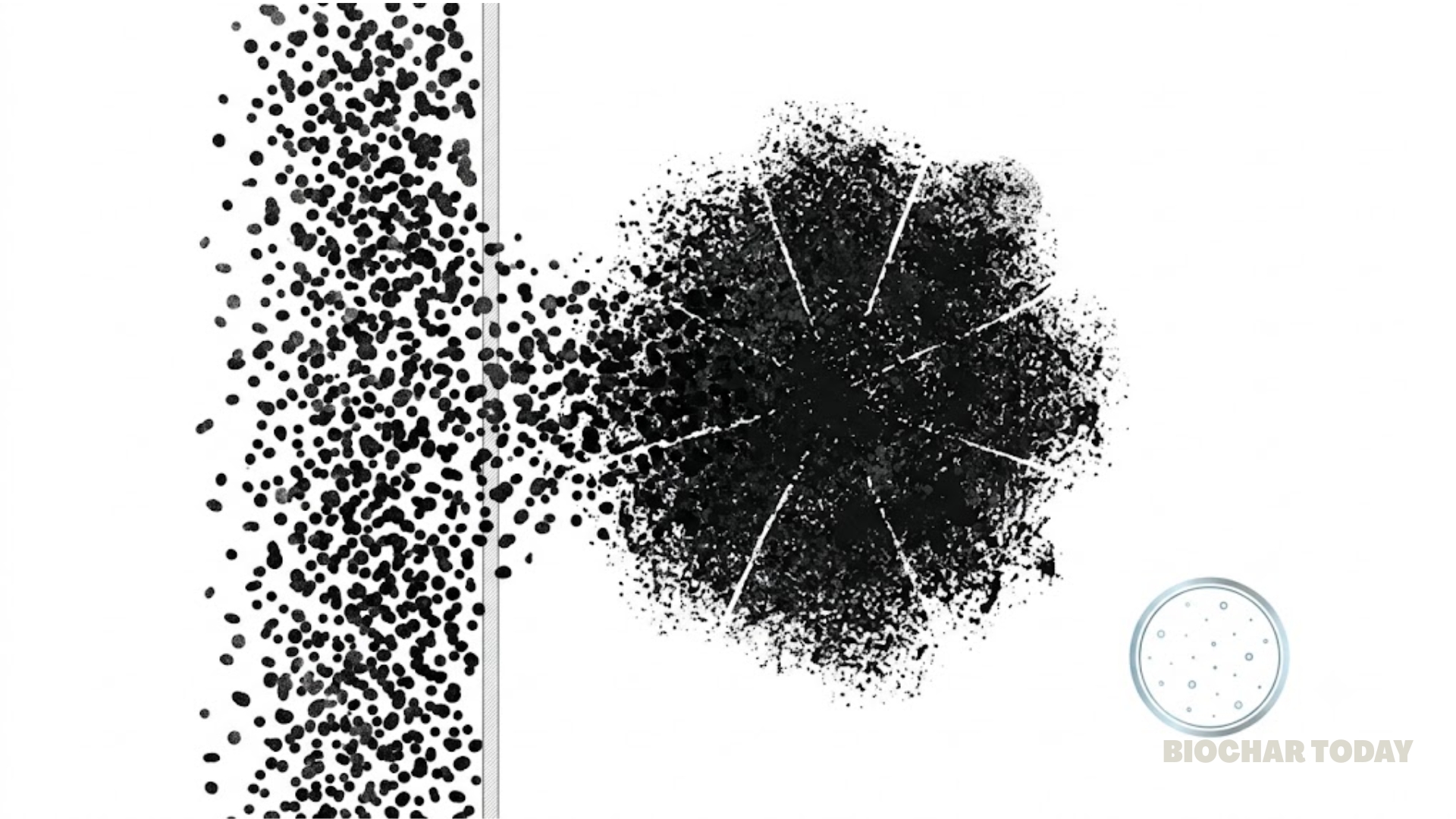
The researchers synthesized PBCs at varying temperatures and compared their performance to undoped biochar. PBC showed significant improvements in surface area, porosityPorosity of biochar is a key factor in its effectiveness as a soil amendment and its ability to retain water and nutrients. Biochar’s porosity is influenced by feedstock type and pyrolysis temperature, and it plays a crucial role in microbial activity and overall soil health. Biochar More, and adsorption capacity—1.25 times greater than the control biochar. Phosphorus doping enhanced the formation of functional groups, such as ketones and phosphorus-oxygen moieties, which contributed to better adsorption and the degradation of tetracycline.
Notably, PBCs facilitated tetracycline degradation through a non-radical pathway, meaning the removal occurred without the typical need for reactive oxygen species. This approach offers a more stable and selective process for antibiotic removal. Density functional theory (DFT) calculations confirmed that phosphorus doping reduced energy barriers for the production of singlet oxygen (¹O₂), a key factor in the degradation process.
The findings highlight phosphorus-doped biochar as a promising green technology for wastewater treatment, offering an effective method to remove tetracycline and potentially other organic pollutants without relying on harsh chemical oxidants.



Leave a Reply