Skip to content
LinkedIn
X
Facebook
Instagram
Reddit
Spotify
RSS Feed
Search
News
Blog
Industry Insights
Expert Profiles
Biochar Decoded
Ask Annie
Announcements
Podcast
Videos
Insights
Use Cases
Agriculture
Horticulture
Livestock
Landscaping
Building Materials
Concrete / Asphalt
Reforestation
Soil Remediation
Water Treatment
Carbon Sequestration
About
About Biochar Today
Partner Directory
Editorial Guidelines
Contact
wastewater remediation
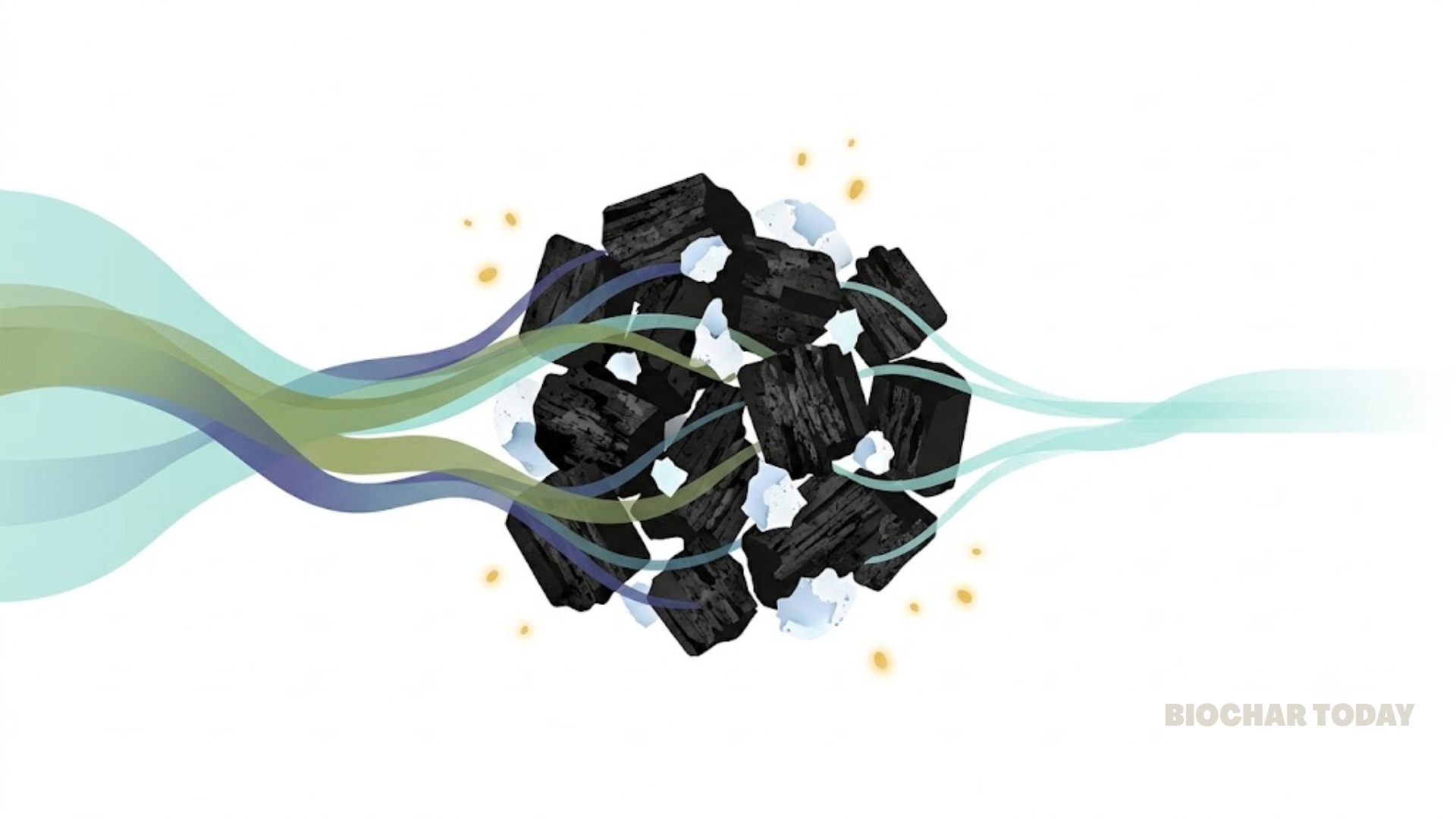
Intrinsic Redox Superiority Drives Biochar Beyond Activated Carbon in Electron Transfer Applications
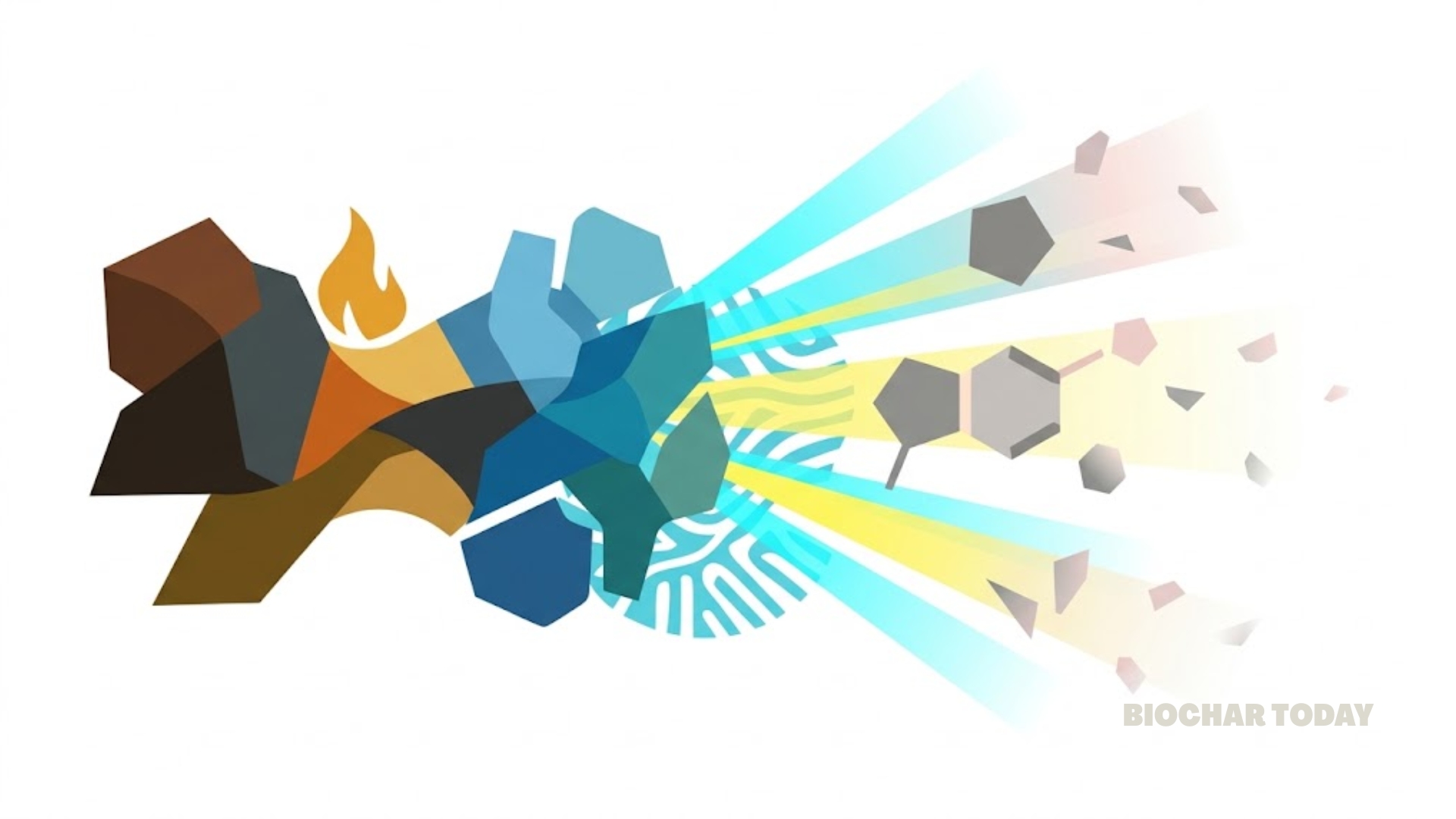
Sustainable Biochar Composite Synthesized from Waste Eggshells and Cotton Stalks Reaches a Maximum Adsorption Capacity of One Hundred and Sixty-One Milligrams per Gram to Eliminate Antibiotics from Wastewater
Rice Husk Biochar-Doped Catalyst Achieves Eighty-Eight Percent Norfloxacin Removal via Visible-Light Photocatalysis
Bibliometric Evaluation Reveals Broad Seven Hundred Over Metric Tons of Annual Dye Consumption and a Thirty Two Percent Publication Growth Rate for Biochar Adsorbents
Rice Residue Biochar Demonstrates Pollutant Sorption Capacities of up to One Hundred Milligrams per Gram for Wastewater Remediation
Chemically Modified Biochars Enhance Toxic Heavy Metal Adsorption and Yield up to 100 Percent Regeneration Efficiency
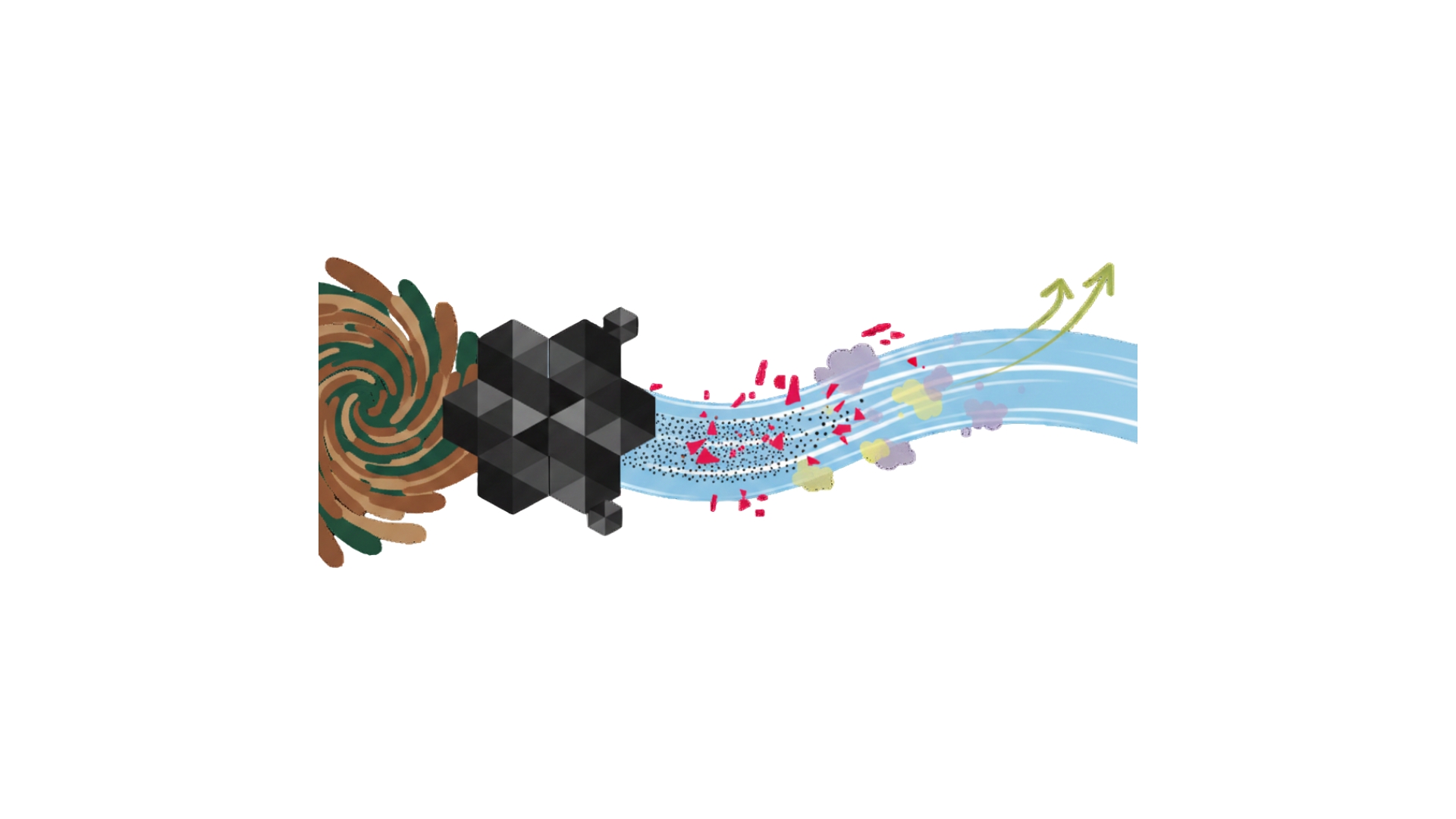
Agricultural Residues Convert to Biochar to Filter Over Ninety Percent of Microplastics and Two Thirds of Ammonia from Wastewater
Orange Peel Nanobiochar Adsorbs 58.5 mg/g of Lithium at 700°C for Sustainable Wastewater Treatment
Harnessing Magnetic Biochar for Effective Lead Removal from Water
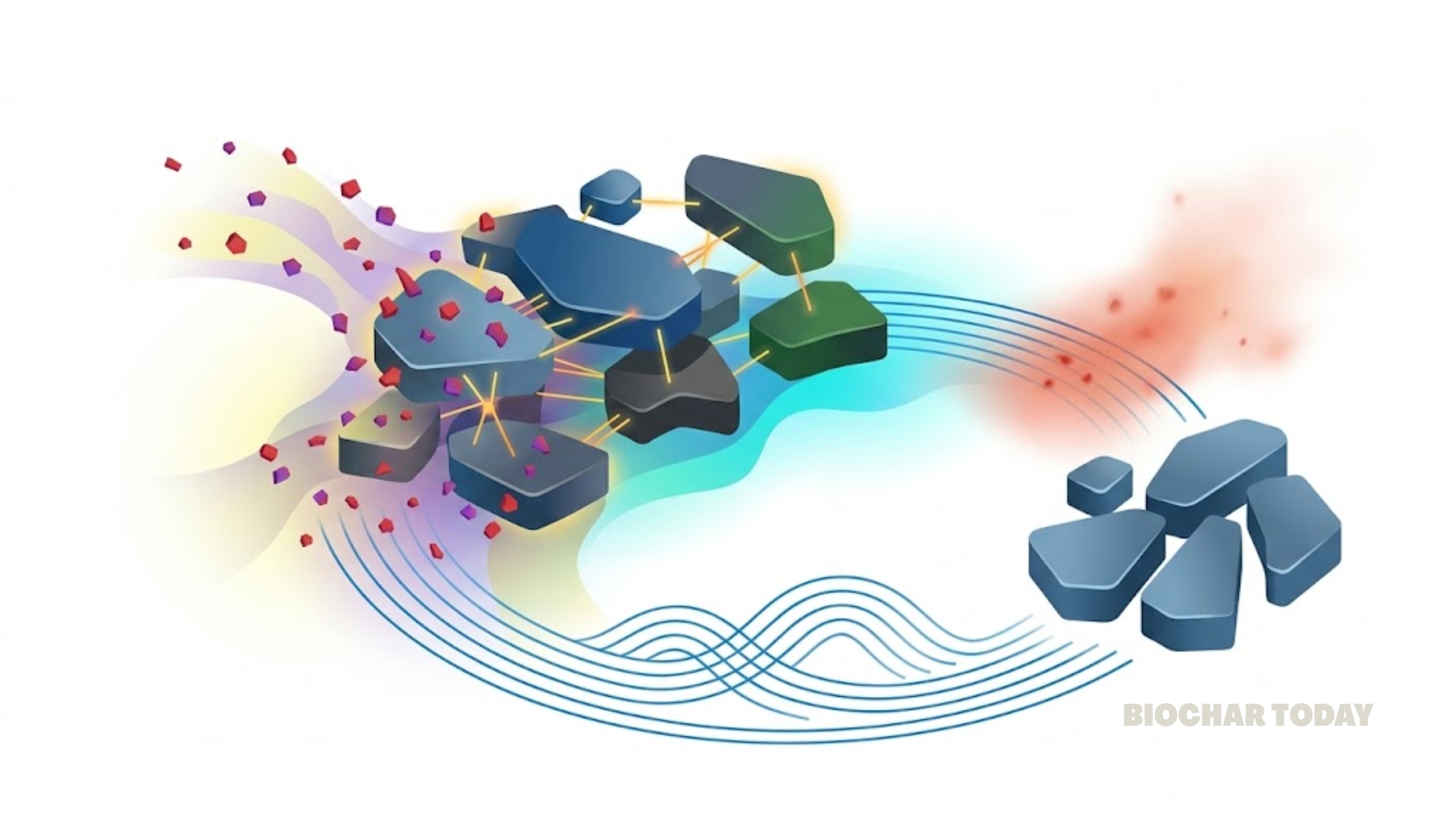
Biochar and Free Radicals: A Cleaner Future for Water Treatment
1
2
Next Page
Loading Comments...
Write a Comment...
Email (Required)
Name (Required)
Website