
Key Takeaways
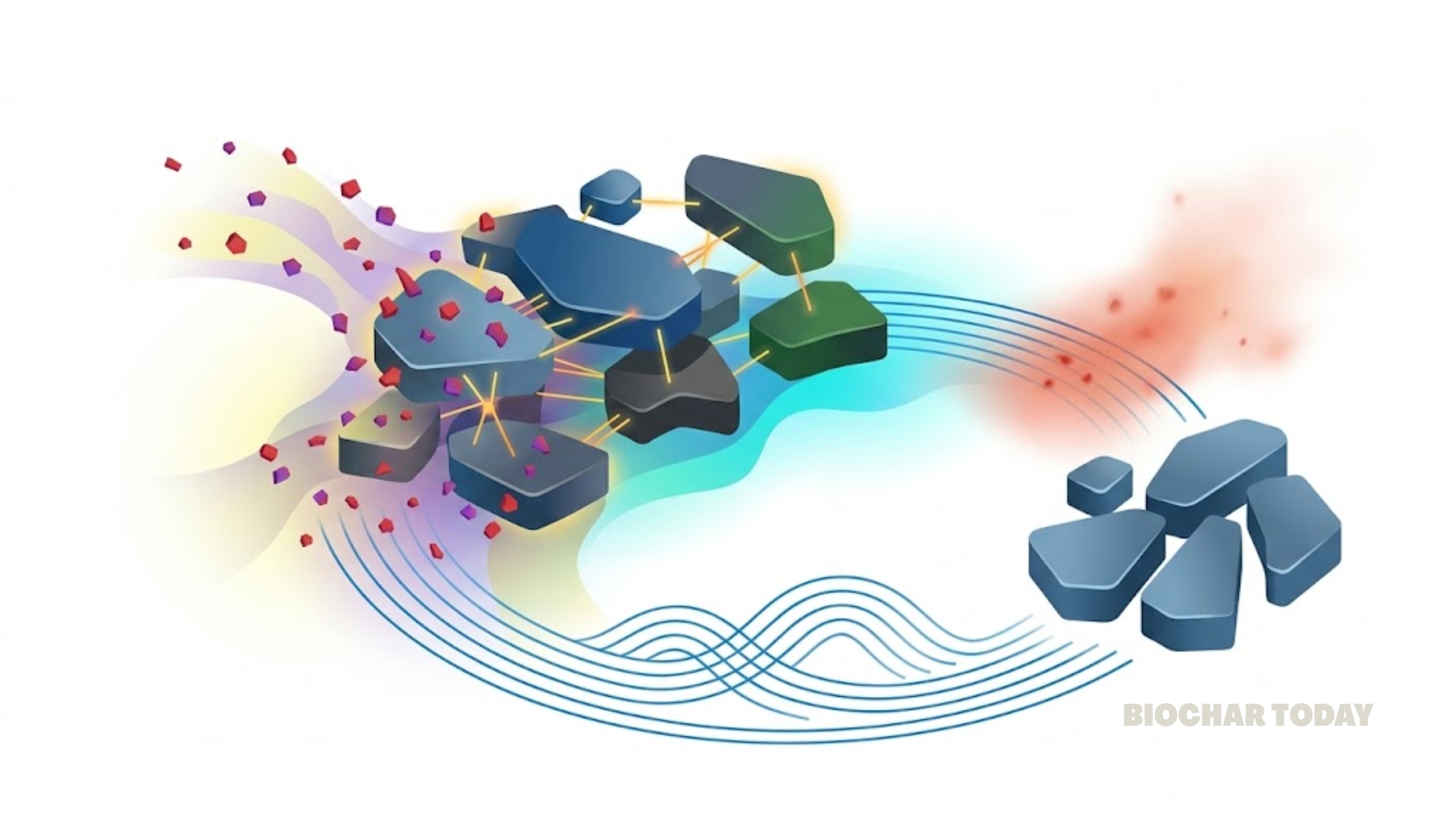
- Chemical modifications like acid and alkali treatments alter the surface structure of raw biocharBiochar is a carbon-rich material created from biomass decomposition in low-oxygen conditions. It has important applications in environmental remediation, soil improvement, agriculture, carbon sequestration, energy storage, and sustainable materials, promoting efficiency and reducing waste in various contexts while addressing climate change challenges. More to significantly boost its cleanup capacity.
- Engineered biochars demonstrate exceptionally high maximum capacities for removing toxic elements such as cadmium, lead, arsenic, and chromium from water.
- In multi-metal environments, competitive factors dictate how metals are captured, with lead often outcompeting other elements like zinc for active binding sites.
- Spent biochars exhibit excellent circular economy potential by sustaining eighty to one hundred percent recovery efficiencies across multiple rinsing cycles.
- Translating these laboratory findings into real-world industrial settings requires more standardized testing protocols and long-term field validation studies.
The comprehensive review published in Resources Chemicals and Materials by Fatma Abdelrhman, Shri Ram, Jingmo Zhou, Ziad Ahmed, Noor-ul Huda Altaf, Ehab Mostafa, and Yaning Zhang systematically evaluates the latest breakthroughs in chemical modification techniques for biochar materials. Industrial and agricultural operations continue to release substantial volumes of toxic heavy metals into global water systems, presenting an immediate threat to ecological stability and human health due to bioaccumulation. While ordinary biochar serves as an affordable and eco-friendly filter material, its natural carbon framework possesses limited binding sites, rendering it highly inefficient for capturing specific contaminants, particularly negatively charged metal ions. To address these operational constraints, environmental scientists are shifting toward engineered carbon matrices treated with acids, alkalis, oxidants, or metal salts to introduce targeted functional groups and optimize porous structures for comprehensive water treatment applications.
The collected data demonstrate that alkali treatments using potassium hydroxide or sodium hydroxide deliver the most substantial improvements to the physical surface properties of the material. For instance, modifying corn straw with sodium hydroxide expands its internal surface area to over seventeen hundred square meters per gram, generating an intricate network of microscopic pores that accelerate the physical trapping of contaminants. Conversely, oxidant treatments using hydrogen peroxide or potassium permanganate cause smaller changes to physical surface measurements but excel at fixing active oxygen groups directly onto the carbon walls. These chemical pathways fundamentally alter how the engineered material interacts with dissolved pollutants, transitioning the primary capture mechanism from simple physical filtering to stable chemical bonding and structural precipitation.
By analyzing performance across diverse feedstocks, the researchers highlighted extraordinary maximum removal capacities for various hazardous substances. Engineered peanut shells treated with potassium bicarbonate and magnesium oxide achieved a maximum adsorption capacity of over sixteen hundred milligrams of cadmium per gram of material. Similarly, coconut shells treated with magnesium chloride reached a lead capture capacity of over five hundred thirty-two milligrams per gram, representing a thirtyfold increase over unmodified controls. For negatively charged metalloids, which are historically difficult to treat, bamboo biochar modified with iron salts demonstrated a maximum arsenite adsorption capacity of over two hundred sixty-five milligrams per gram, while digestion residues treated with potassium hydroxide isolated nearly two hundred ten milligrams of hexavalent chromium per gram.
In natural wastewater systems where multiple contaminants coexist, competitive adsorption significantly alters material behavior. Cations with higher chemical affinities and smaller hydrated radii display preferential capture, with lead consistently displacing zinc and cadmium on the available active sites. In mixed settings, only manganese oxide modifications consistently maintained exceptional removal efficiencies for multiple metals simultaneously. When handling mixed streams containing both positive metal ions and negative oxyanions, combining iron and magnesium inside layered double hydroxides creates an advantageous synergistic effect, where the pre-concentration of metal cations creates a welcoming electrical charge that simultaneously draws in arsenic and chromium species.
To ensure economic viability and minimize industrial waste, the authors detailed extensive chemical and thermal regeneration methodologies. Spent biochars washed with dilute hydrochloric acid, sodium hydroxide, or specialized chelating solutions regularly sustain recovery efficiencies between eighty and one hundred percent for five to ten consecutive cycles. This cyclical stability drastically lowers long-term operational costs and reduces the volume of hazardous secondary waste destined for landfills. Furthermore, saturated materials that can no longer be chemically rinsed possess high caloric values around twenty megajoules per kilogram, allowing them to be cleanly incinerated for industrial energy recovery or safely safely recycled into stable concrete structures.
Source: Abdelrhman, F., Ram, S., Zhou, J., Ahmed, Z., Altaf, N. H., Mostafa, E., & Zhang, Y. (2026). Chemically modified biochar for enhanced heavy metals adsorption in aqueous solutions. Resources Chemicals and Materials, 100205.




Leave a Reply