
Key Takeaways
- Scientists have developed a way to turn common farm leftovers like corn cobs and bamboo into powerful water filters that can clean up hidden pollution.
- These recycled filters are incredibly effective at trapping tiny plastic particles that usually pass through regular city water treatment plants.
- The filters also help remove harmful ammonia from water, which protects fish and prevents the overgrowth of toxic algae in our lakes and rivers.
- Because these filters can be cleaned and reused multiple times, they offer a low-cost and environmentally friendly way to provide safer water.
- Testing proves that these carbon-based filters are safe to use and do not release any dangerous chemicals back into the water they are cleaning.
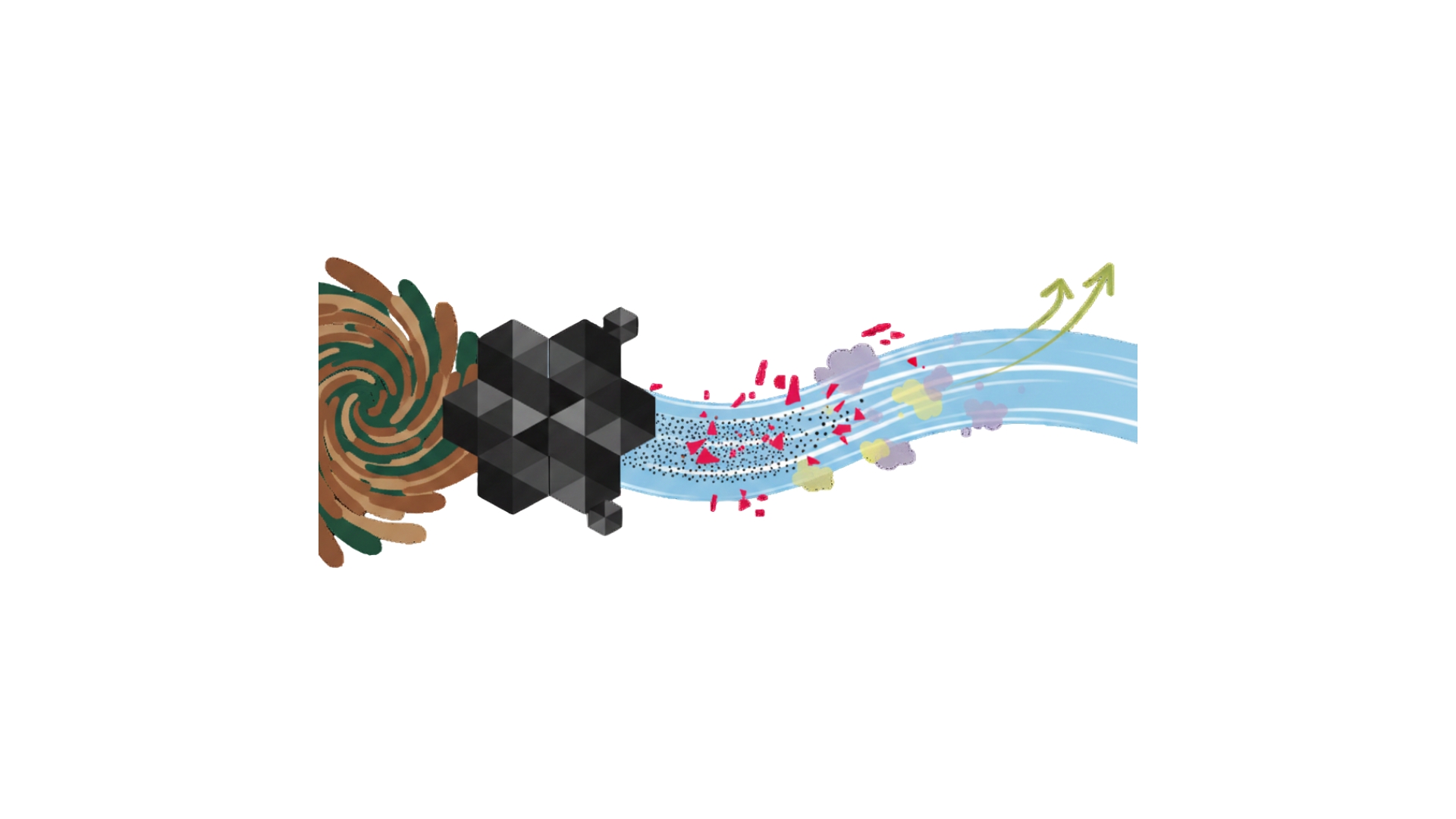
The journal BiocharBiochar is a carbon-rich material created from biomass decomposition in low-oxygen conditions. It has important applications in environmental remediation, soil improvement, agriculture, carbon sequestration, energy storage, and sustainable materials, promoting efficiency and reducing waste in various contexts while addressing climate change challenges. More recently published a study by Ruogu Tang, Siyu Qiu, Changqing Wu, and Juzhong Tan detailing a sustainable method for purifying water using agricultural byproducts. The research highlights how materials like corn cobs, cocoa husks, walnut shells, and bamboo can be transformed through a high-heat process called pyrolysisPyrolysis is a thermochemical process that converts waste biomass into bio-char, bio-oil, and pyro-gas. It offers significant advantages in waste valorization, turning low-value materials into economically valuable resources. Its versatility allows for tailored products based on operational conditions, presenting itself as a cost-effective and efficient More into stable biochar. This substance acts as a high-performance filter capable of addressing two of the most persistent threats to modern water quality: dissolved ammonia and microscopic plastic fragments. As global urbanization and industrial activities continue to generate hundreds of trillions of liters of contaminated water every year, the need for affordable and effective filtration has never been more urgent. These biochar filters offer a circular economy solution by taking waste from the farm and using it to protect the environment.
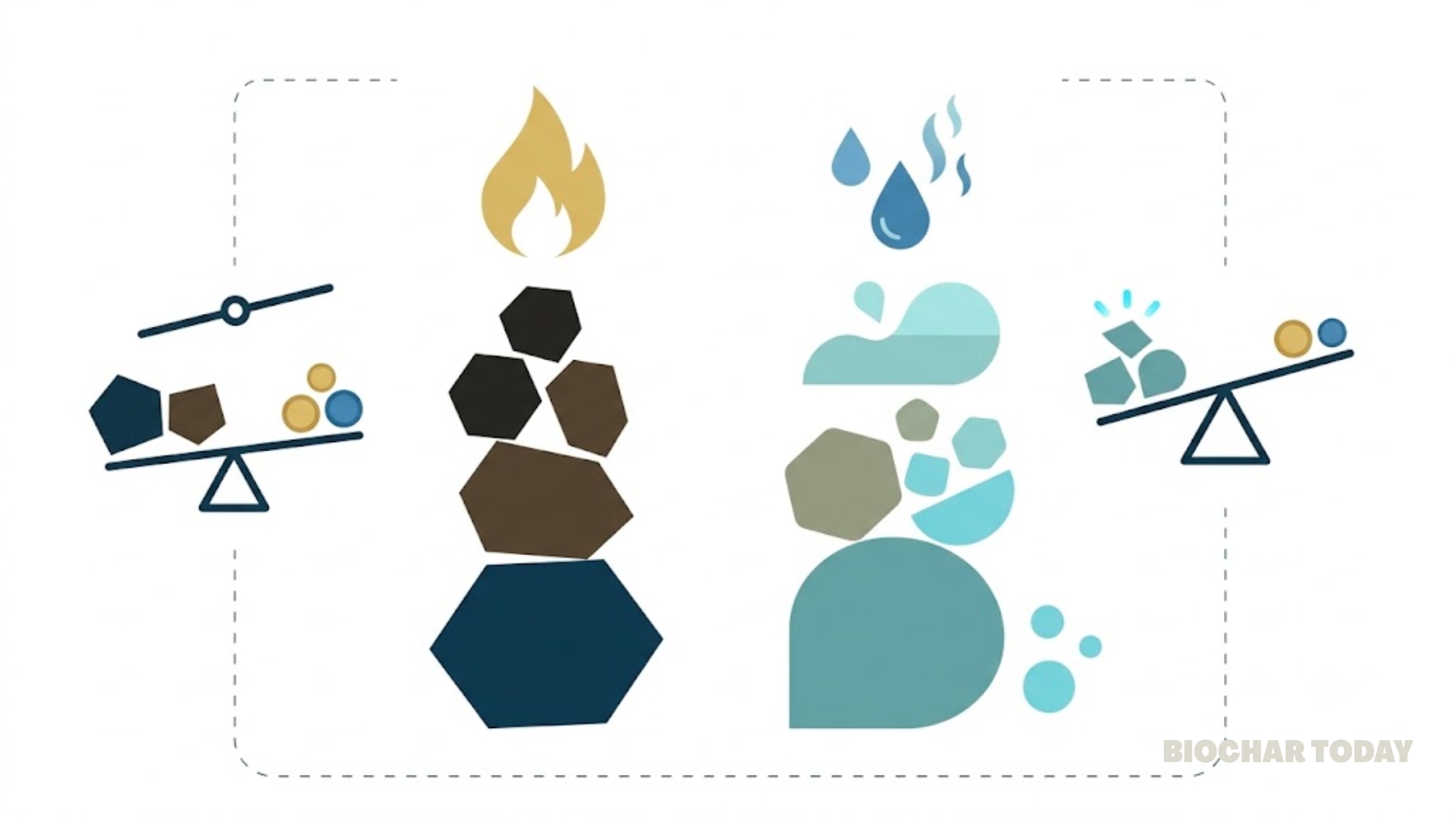
The effectiveness of these biochar filters depends largely on the type of plant material used and the specific temperature at which it is prepared. Woody feedstocks like bamboo and walnut shells generally produce biochar with a higher surface area and more complex internal pore networks. However, the researchers found that corn cob biochar offered a particularly balanced set of properties for detailed testing. When corn cobs were heated to 700 degrees Celsius, the resulting material achieved the highest performance in removing contaminants. This high-temperature treatment increases the carbon content and creates more active sites where pollutants can stick. The study demonstrates that by tuning the production conditions, engineers can create specialized materials that target specific types of pollution found in different wastewater sources.
Ammonia is a significant concern for environmental health because it is toxic to aquatic life even at very low levels and contributes to the suffocation of waterways through a process called eutrophication. In the reported filtration tests, the optimized corn cob biochar was able to remove nearly two-thirds of the ammonia present in contaminated water. The science behind this involves a combination of electrical attraction and chemical bonding. Because the surface of the biochar is naturally negative and the ammonia in water is positive, the pollutants are pulled toward the filter like a magnet. The study also found that the concentration of the pollution and the amount of biochar used in the filter significantly influenced the final results, suggesting that these systems can be scaled up or down depending on the specific needs of a treatment facility.
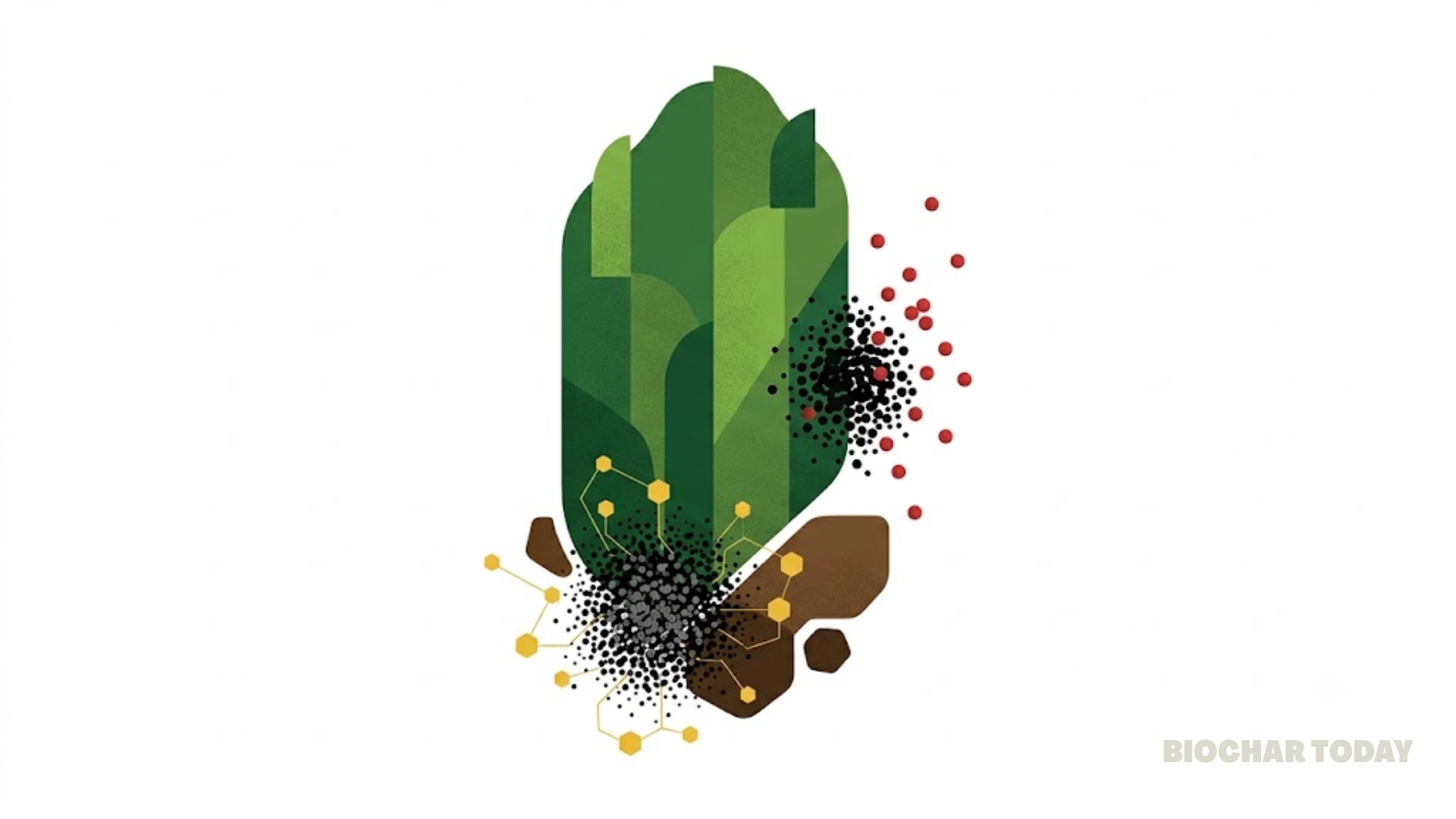
Microplastics and nanoplastics represent an even more difficult challenge because they are often too small for conventional filters to catch. These tiny fragments have been found in everything from commercial fish to human drinking water. The biochar filters proved exceptionally capable in this area, trapping nearly 98 percent of the plastic particles across a wide range of sizes. The researchers observed that the plastics were captured through three distinct pathways: they became physically wedged in the tiny pores of the biochar, they were trapped between the stacked layers of the carbon material, and they were held in place by electrical forces. This multi-layered defense makes biochar a much more robust option than traditional sand or ceramic filters, which often struggle to retain such small and diverse particles.
Safety and sustainability were central themes of this investigation. One major concern with using carbon materials in water is the potential for them to leak harmful chemicals known as polycyclic aromatic hydrocarbons. The researchers conducted rigorous leachingLeaching is the process where nutrients are dissolved and carried away from the soil by water. This can lead to nutrient depletion and environmental pollution. Biochar can help reduce leaching by improving nutrient retention in the soil. More tests and found no detectable release of these priority pollutants, confirming that the biochar is environmentally safe for water treatment. Furthermore, the team explored whether these filters could be reused to reduce waste and cost. By re-heating the used biochar, they were able to restore its cleaning power for at least three full cycles. This ability to regenerate the material makes it a highly sustainable alternative to single-use filters. By converting agricultural waste into high-value cleaning tools, this technology supports a cleaner future while managing waste responsibly.
Source: Tang, R., Qiu, S., Wu, C., & Tan, J. (2025). Biochar: From agricultural waste byproducts to novel adsorbents for ammonia and micro/nanoplastics (MNPs). Biochar, 7(122).


Leave a Reply