Skip to content
LinkedIn
X
Facebook
Instagram
Reddit
Spotify
RSS Feed
Search
News
Blog
Industry Insights
Expert Profiles
Biochar Decoded
Ask Annie
Announcements
Podcast
Videos
Insights
Use Cases
Agriculture
Horticulture
Livestock
Landscaping
Building Materials
Concrete / Asphalt
Reforestation
Soil Remediation
Water Treatment
Carbon Sequestration
About
About Biochar Today
Partner Directory
Editorial Guidelines
Contact
soil amendment
Biochar Ameliorates Continuous Cropping Obstacles in Solanaceous Vegetables by Improving Rhizosphere Health and Adsorbing Allelochemicals
Global Biochar Research Surges Over 1000 Percent to Establish Sustainable Soil Remediation and Carbon Cleanup Solutions
Machine Learning Identifies Optimal Biochar Pyrolysis Temperatures and Physical Benchmarks to Maximize Soil Cation Exchange Capacity by Over Ninety-Six Percent
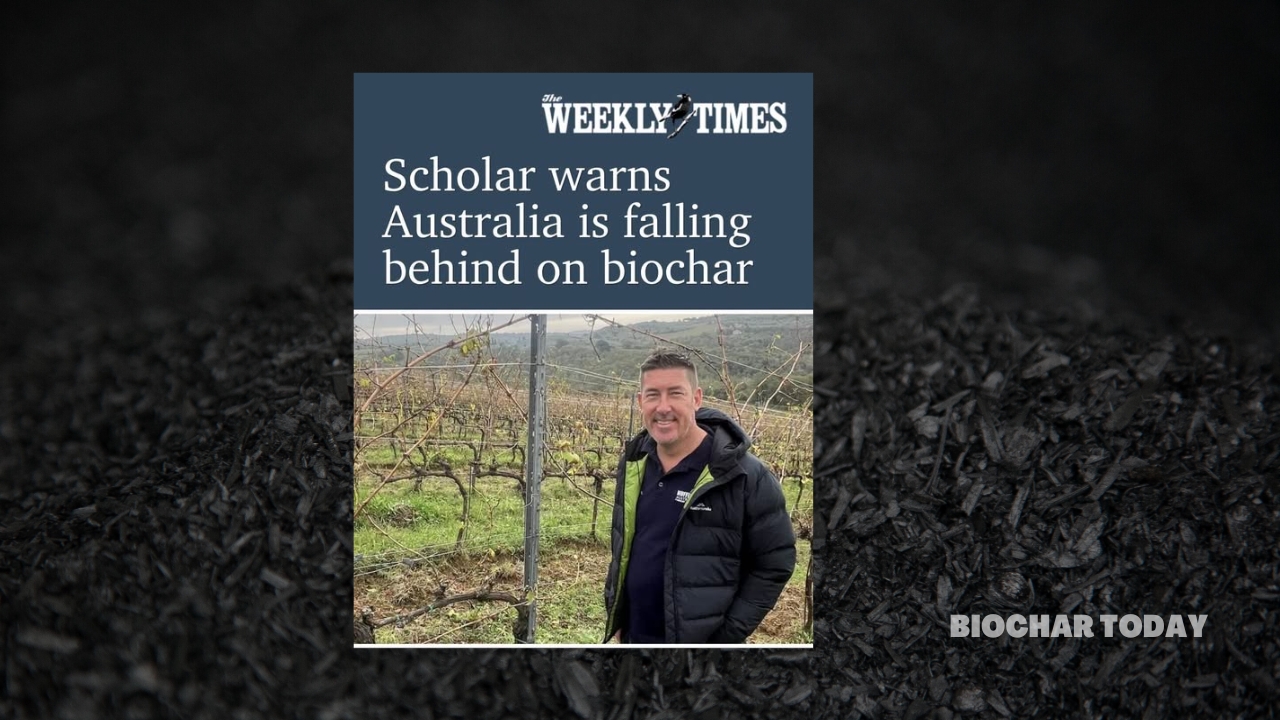
Nuffield Australia and the Grains Research and Development Corporation Identify Production Models to Position Australian Agriculture in the Global Biochar Market
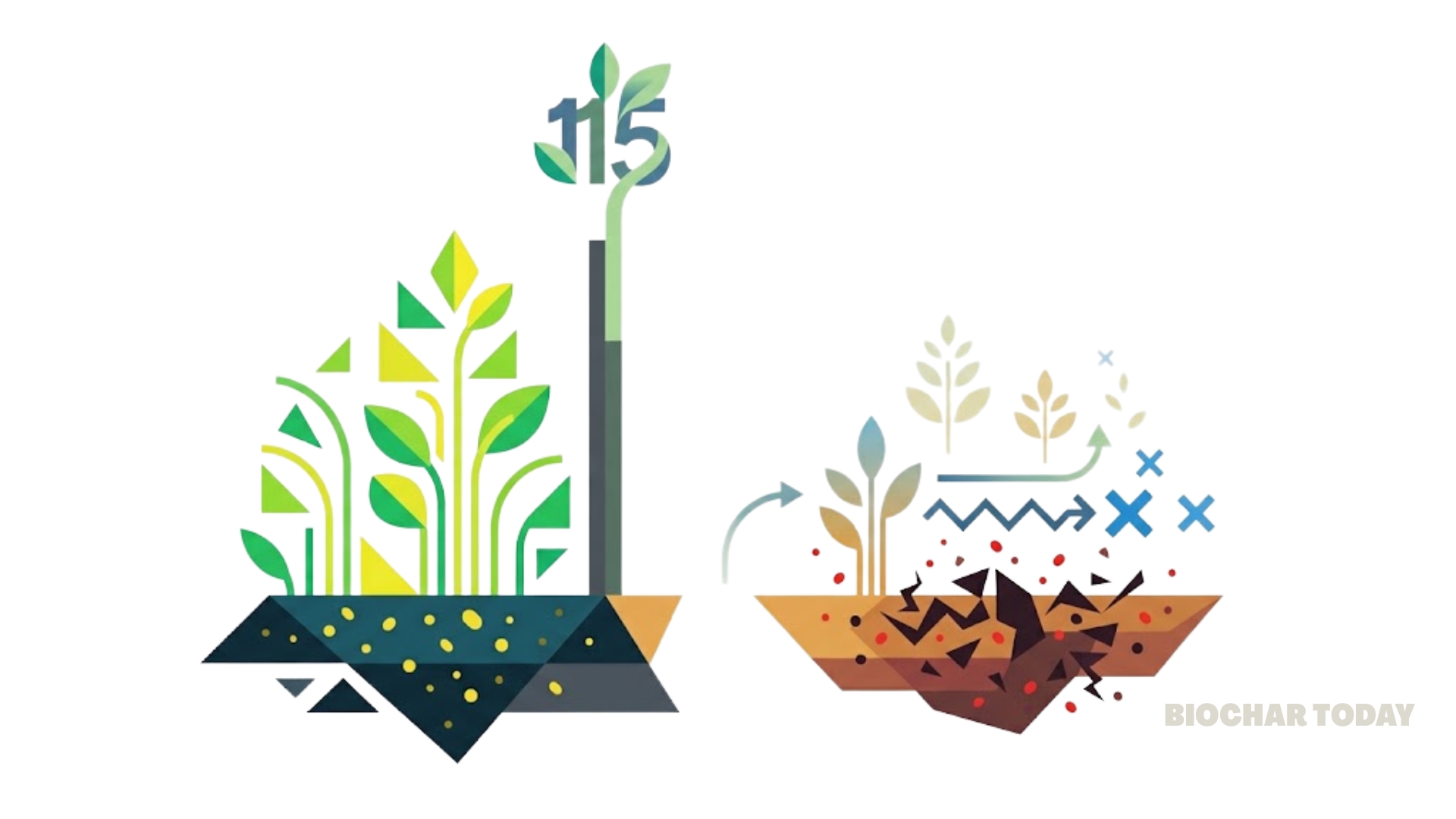
Sulfur-Enriched Waste Biomass Biochar Enhances Crop Yields up to 115 Percent and Reduces Soil Toxin Mobility
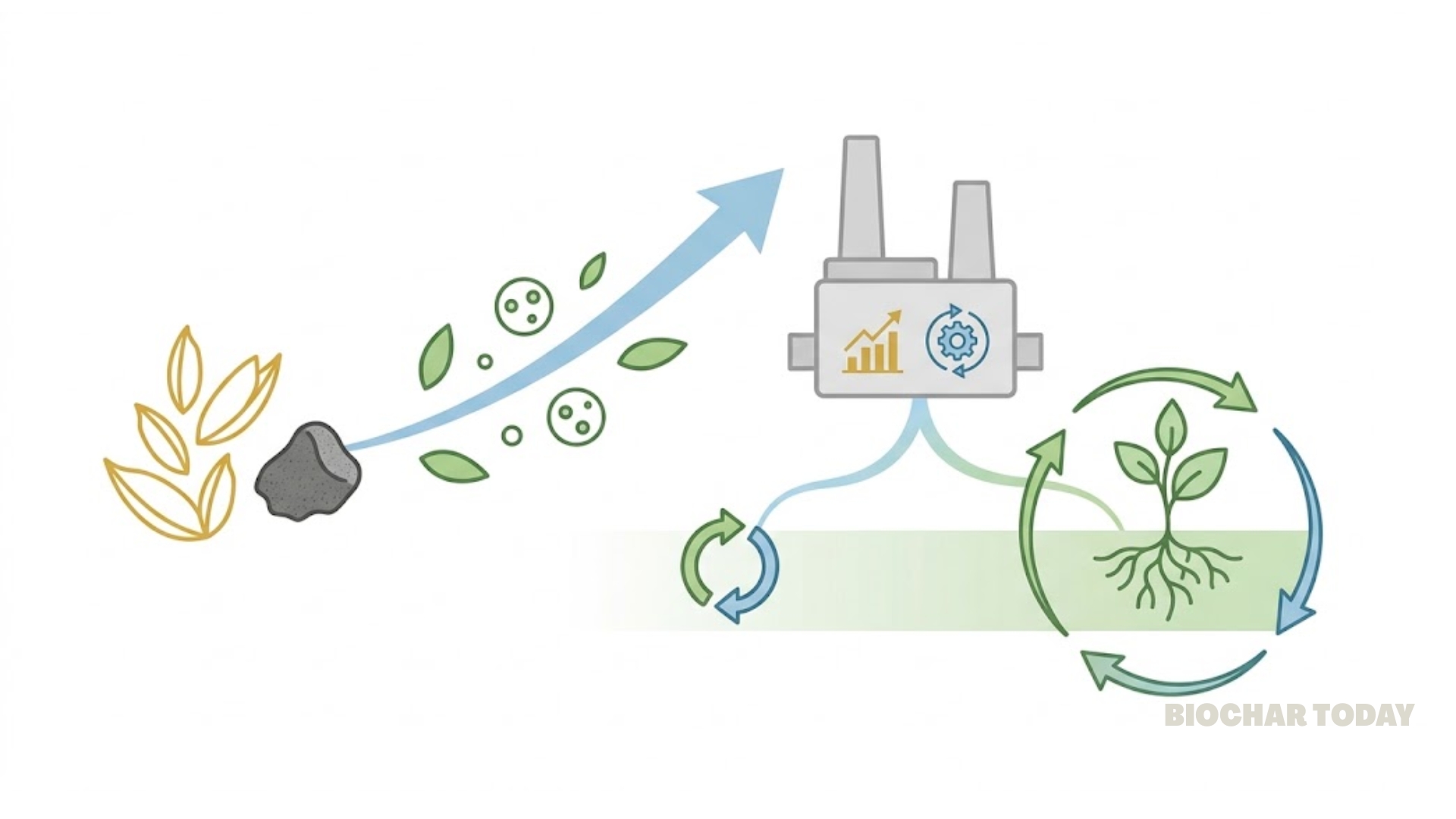
Magnesium-Impregnated Rice Husk Biochar Sequentially Treats 4.32 Cubic Meters of Wastewater Daily Before Soil Application Yields a Potential Reduction of 1.34 Kilograms of Carbon Dioxide Equivalent Per Kilogram
Optimizing Reactor Design Reduces Cancer Causing Toxins in Agricultural Biochar by Up to One Hundred Percent
The Mason-Lake and Manistee Conservation Districts Validate Biochar Utility at Annual Farm Field Day
Is Sewage Sludge Biochar a Waste Problem or a Resource Opportunity?
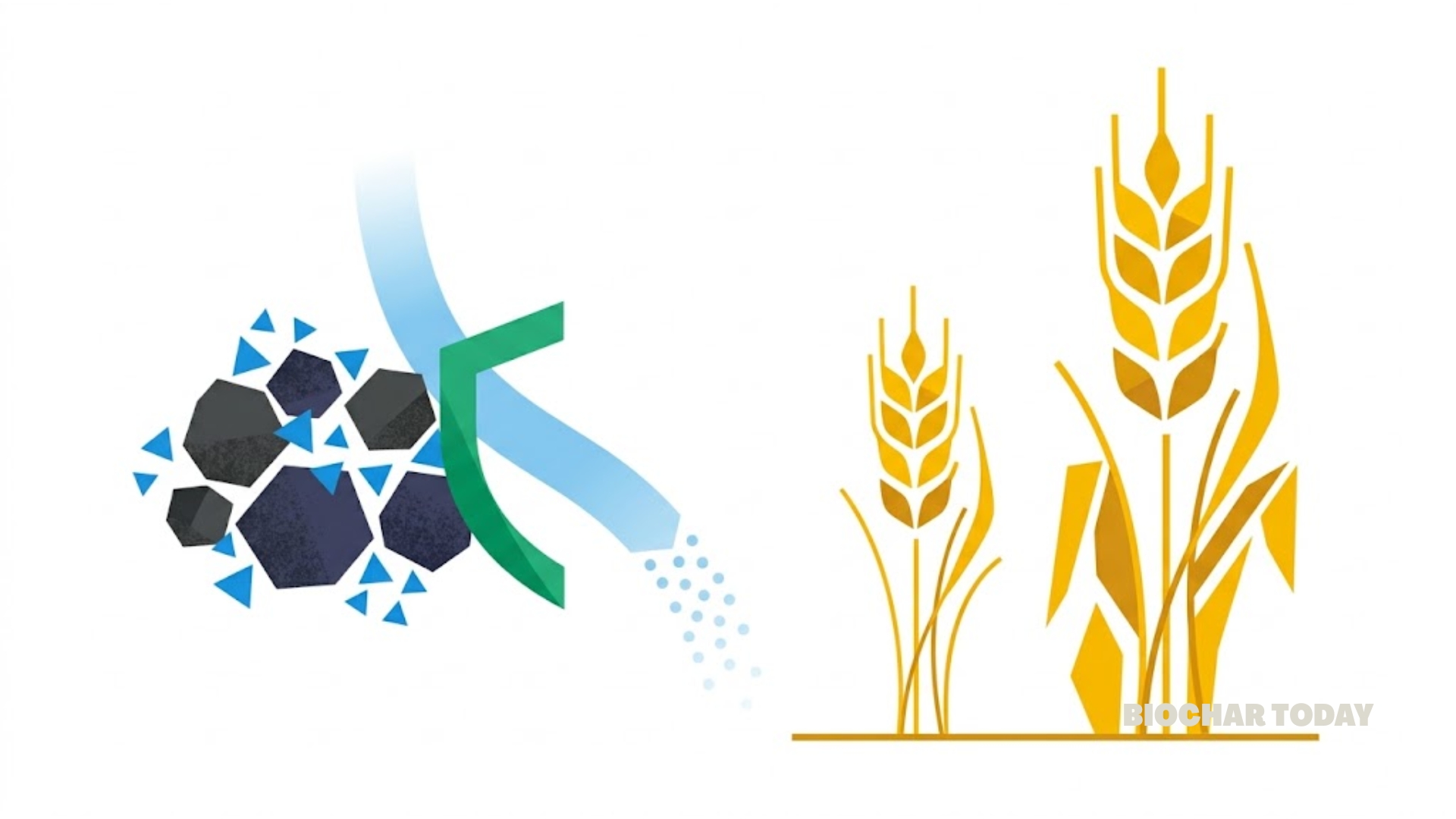
Biochar and Fertilizer Management Reduce Nitrate Leaching by Up to Twenty-Eight Percent While Increasing Wheat Yields
Previous Page
1
2
3
4
…
44
Next Page
Loading Comments...
Write a Comment...
Email (Required)
Name (Required)
Website