
Key Takeaways
- Research confirms that most biocharBiochar is a carbon-rich material created from biomass decomposition in low-oxygen conditions. It has important applications in environmental remediation, soil improvement, agriculture, carbon sequestration, energy storage, and sustainable materials, promoting efficiency and reducing waste in various contexts while addressing climate change challenges. More added to cattle feed passes safely through their digestive systems.
- The material that survives digestion becomes even more stable, making it perfect for long-term carbon storage.
- Using cattle as a delivery system allows biochar to be naturally spread into soil through manure.
- Digested biochar meets high international standards for stability and environmental safety.
- This strategy helps reduce the carbon footprint of farming by locking greenhouse gases in the ground.
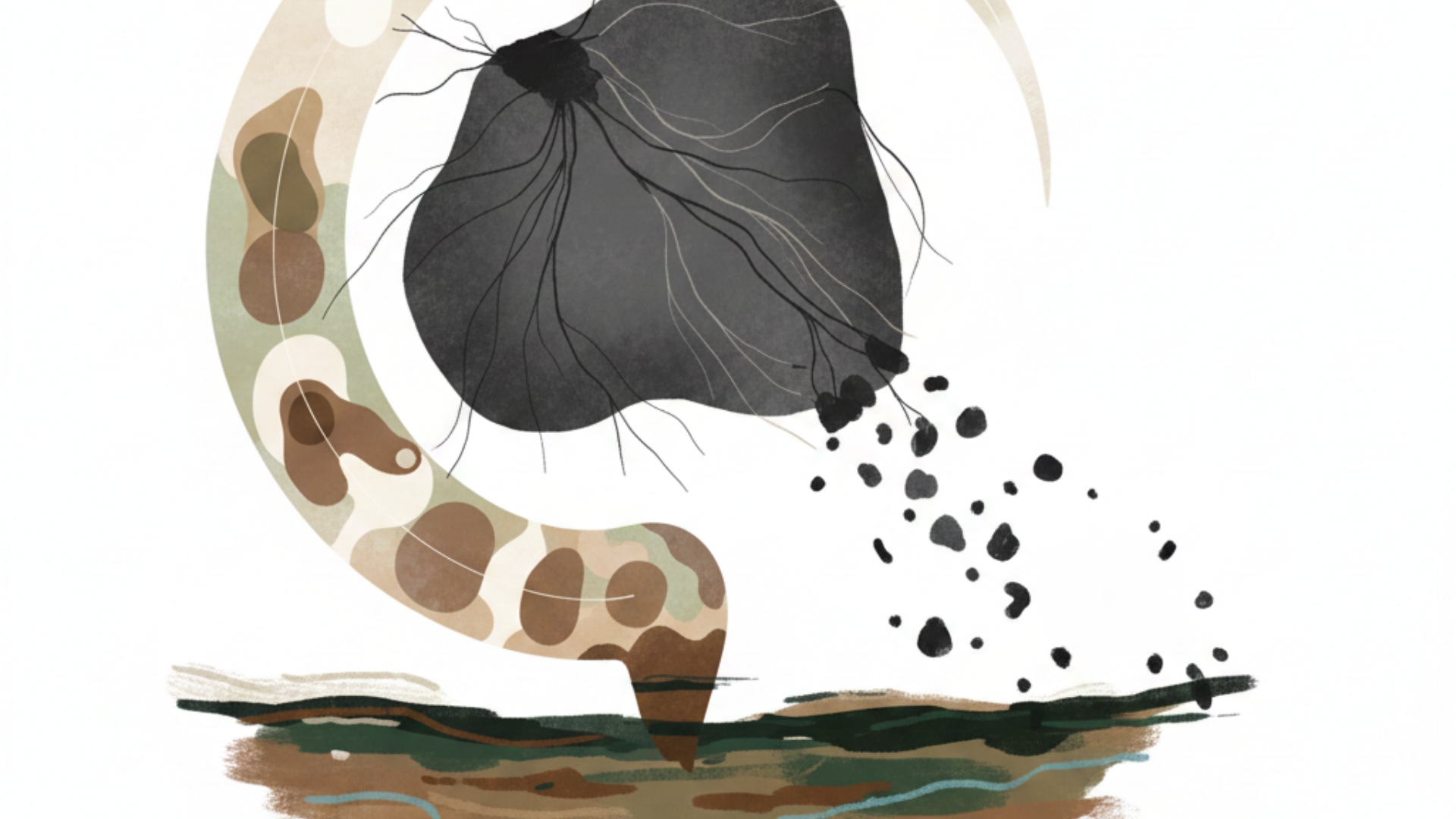
In a recent study published in the journal Biochar, lead author Iva Lucill Walz and co-authors Marie Dittmann and Jens Leifeld explore a fascinating intersection of animal husbandry and climate science. The research team investigated the recovery and structural composition of biochar after it had been fed to dairy cows, a strategy designed to utilize livestock as a natural distribution system for soil amendments. This innovative approach aims to address the urgent global need to mitigate agricultural greenhouse gas emissions while simultaneously enhancing soil health. By feeding biochar to cattle, farmers can potentially improve animal digestive health and then return the carbon-rich material to the earth via manure, creating a circular system that sequesters carbon and enriches the land.
The researchers discovered that the majority of the high-stability biochar, specifically between 70 and 90 percent, successfully survives the rigorous digestive process of a cow. This survival rate is crucial because it confirms that the digestive system does not significantly break down the material’s carbon-storing potential. Interestingly, the study found that the digestive process acts as a selective filter, preserving the most stable condensed aromatic fractions of the biochar while removing less stable components. This outcome is remarkably similar to the short-term aging effects typically observed when biochar is applied directly to soil, suggesting that passage through the animal may actually “prime” the material for its long-term role in the environment.
The quality of the biochar after it leaves the cow remains exceptionally high. The analysis revealed that the digested biochar maintains a hydrogen-to-carbon ratio of 0.22 and an oxygen-to-carbon ratio of 0.05. These specific values are significant in the scientific community because they meet the strict criteria for highly stable biochar, which is essential for effective, long-term carbon sequestration. Because the core aromatic structure of the material remains intact, it stays resistant to oxidation and microbial decomposition once it is applied to the soil. This resistance ensures that the carbon remains trapped in a solid form for decades or even centuries, rather than being released back into the atmosphere as carbon dioxide.
Furthermore, the study highlighted that the physical properties of the biochar, such as its surface area, do not change significantly during the digestive journey. This is vital for soil health, as biochar’s porous structure is what allows it to retain water and nutrients, supporting the growth of plants and beneficial soil microbes. The fact that the biochar emerges from the digestive tract with its structural and functional integrity intact means it can continue to act as a terrestrial carbon sink while performing its duties as a soil enhancer. The researchers also noted that the indigestible particles in the dung could help stabilize nitrogen and potentially reduce ammonia and methane emissions from the manure itself, providing an additional layer of environmental protection.
By confirming that such a high percentage of biochar survives digestion with its stability enhanced, the study provides a robust scientific foundation for feed-integrated carbon sequestration strategies. This method offers a low-effort way to apply biochar across large agricultural areas without the need for additional machinery or labor for tilling the material into the ground. Instead, the cows perform the labor of mixing and depositing the biochar where it is needed most. These findings suggest that using cattle as a delivery vehicle for biochar is a promising and efficient strategy for compensating for agricultural emissions, offering a practical tool for farmers to join the global effort against climate change. The results emphasize that post-digestion biochar is an ideal candidate for soil application, supporting a more sustainable and climate-resilient future for the global food system.
Source: Walz, I. L., Dittmann, M., & Leifeld, J. (2026). Recovery and composition of biochar after feeding to cattle. Biochar, 8(13).



Leave a Reply