
Key Takeaways
- Combining biocharBiochar is a carbon-rich material created from biomass decomposition in low-oxygen conditions. It has important applications in environmental remediation, soil improvement, agriculture, carbon sequestration, energy storage, and sustainable materials, promoting efficiency and reducing waste in various contexts while addressing climate change challenges. More with dissolved organic matter extracted from organic fertilizers significantly upgrades the material’s capacity to trap heavy metals.
- Utilizing organic matter fractions with larger molecular weights yields the highest performance increase for capturing toxic cadmium in contaminated soil.
- These advanced composite amendments effectively convert highly toxic water-soluble cadmium into stable, non-hazardous residual forms.
- Treating polluted agricultural fields with these custom carbon mixtures reduces the amount of heavy metals that enter the shoots of growing crops.
- Applying high-molecular-weight organic matter composites directly protects vulnerable consumer food supplies without causing any drop in overall crop yield.
Preventing highly toxic non-essential elements like cadmium from entering human food chains represents a persistent global challenge for environmental managers and farmers alike. Traditional agricultural amendments, such as standard bio-organic fertilizers made from livestock manure and agricultural waste, are widely deployed to improve crop yields and improve basic soil parameters. However, the direct role of these organic materials in heavy metal remediation has remained highly controversial, as their highly variable composition can sometimes mobilize toxic metals rather than lock them away safely. Dissolved organic matter contains a highly complex mix of chemical components with distinct molecular sizes and weights, ranging from simple polar organic acids to intricate humic substances. Figuring out how these diverse molecular fractions interact with structural carbon adsorbents is a vital step toward creating next-generation soil amendments that protect public health.
The extensive laboratory and greenhouse investigation published in Agricultural Ecology and Environment by scientists Lan Wei, Danni Liu, Weisheng Chen, Lianxi Huang, Shaojun Jiang, Xiaodong Zheng, Zhongzhen Liu, and Yanhong Wang demonstrates that loading biochar with dissolved organic matter significantly raises its overall affinity for trapping heavy metal ions. The team discovered a direct relationship between the molecular weight of the loaded organic fraction and final remediation performance, with the highest molecular weight groups outperforming alternative treatments. When tested in realistic soil incubation scenarios lasting for 90 days, these engineered composite materials steadily elevated the soil pHpH is a measure of how acidic or alkaline a substance is. A pH of 7 is neutral, while lower pH values indicate acidity and higher values indicate alkalinity. Biochars are normally alkaline and can influence soil pH, often increasing it, which can be beneficial More by up to 1.13 units and caused an immediate, rapid decline in easily extractable cadmium concentrations. This dual action successfully decreased the total bioavailable pool of the metal by a remarkable 70.70 percent to 73.99 percent over the course of the long-term incubation trial.
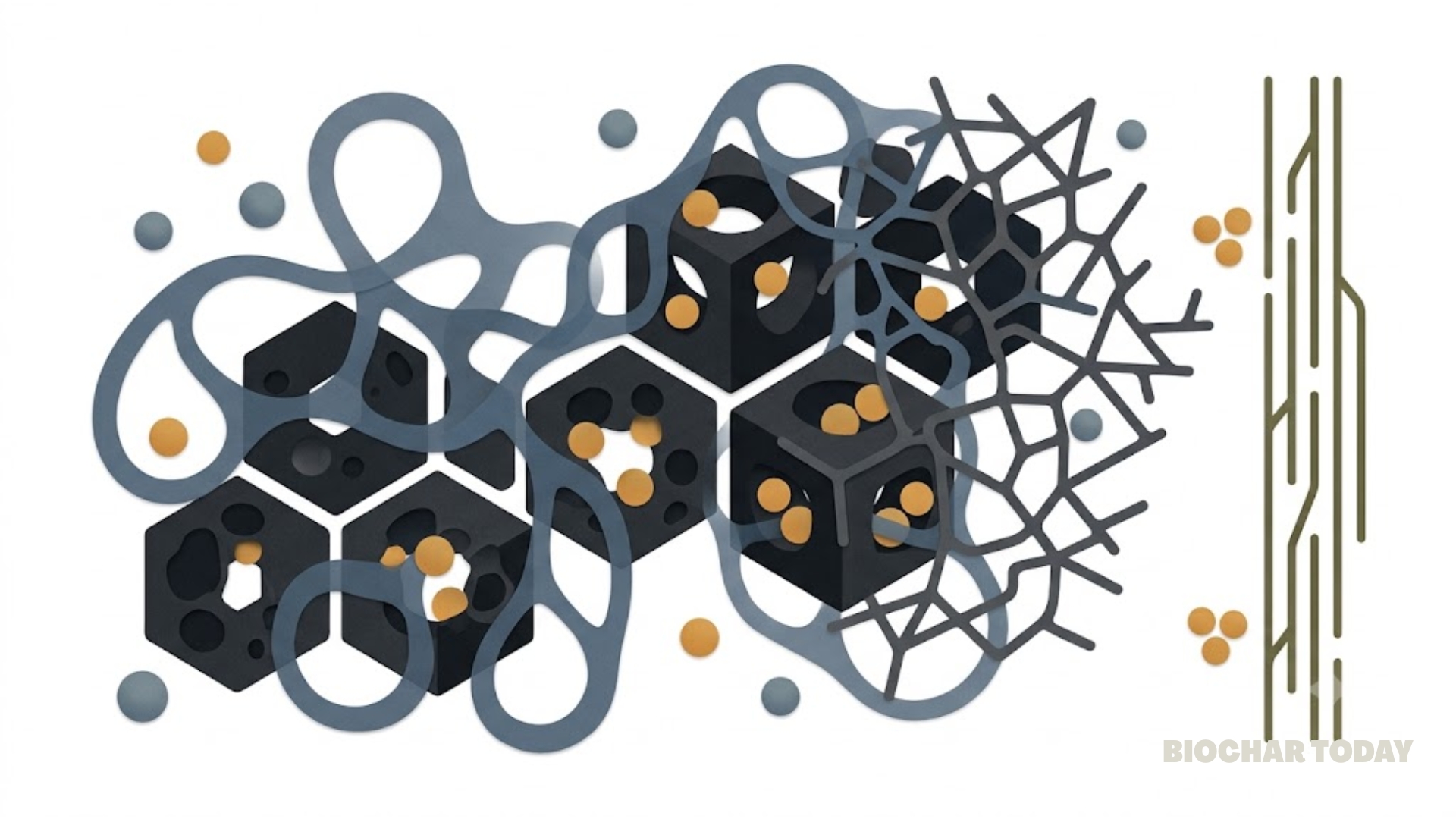
The underlying physical and chemical mechanisms driving this superior remediation performance shift fundamentally depending on the specific molecular sizes involved in the mix. For the high-molecular-weight composites, the capture of heavy metal ions is driven by electron coordination within advanced aromatic rings, along with physical coverage and the blocking of micropores by large humic structures. In stark contrast, low-molecular-weight variations rely almost entirely on simple chemical complexation with oxygen-containing functional groups, which produces weaker physical bonds. By taking advantage of these differences, the high-molecular-weight composites successfully drove a dramatic structural change in soil chemistry, forcing the dangerous cadmium out of highly toxic, water-soluble, and exchangeable phases and locking it into stable, highly inactive residual forms by up to 123.77 percent.
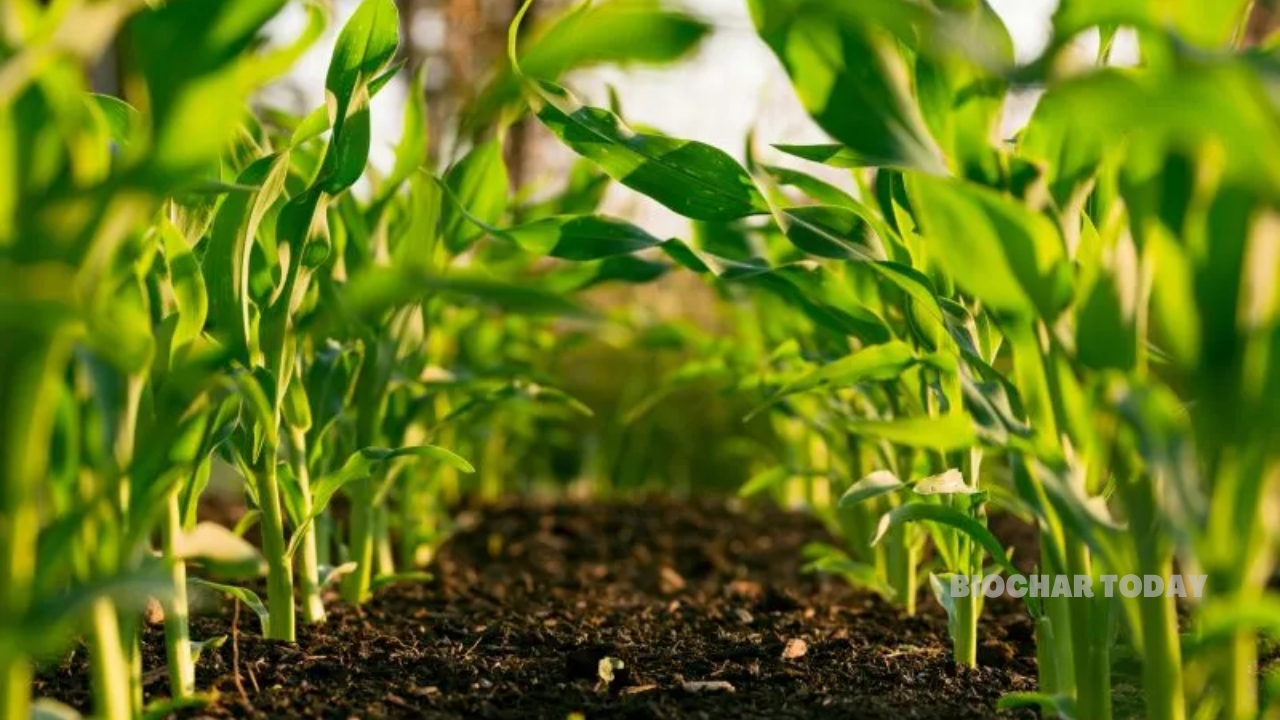
The practical application of these high-molecular-weight carbon composites provides a vital safeguard for modern commercial vegetable production. In live pot experiments using Chinese cabbage, the specialized amendments targeted the internal transfer pathways of the plants, effectively restricting the movement of toxic ions from the root systems up into the edible green leaves. Shoot cadmium levels plummeted by 42.22 percent under this remediation strategy, dropping the plant enrichment coefficient significantly without causing any negative impacts on the physical development, leaf quality, or final economic yield of the crop. These promising findings establish a definitive theoretical baseline for manufacturing custom, high-performance soil amendments, giving wastewater and agricultural facility operators a practical method to turn ordinary organic waste into a powerful tool for heavy metal remediation.
Source: Wei, L., Liu, D., Chen, W., Huang, L., Jiang, S., Zheng, X., Liu, Z., & Wang, Y. (2026). Enhancement of organic fertilizer-derived dissolved organic matter fractions on cadmium immobilization by biochar composites in contaminated soil. Agricultural Ecology and Environment, 2, e013.



Leave a Reply