
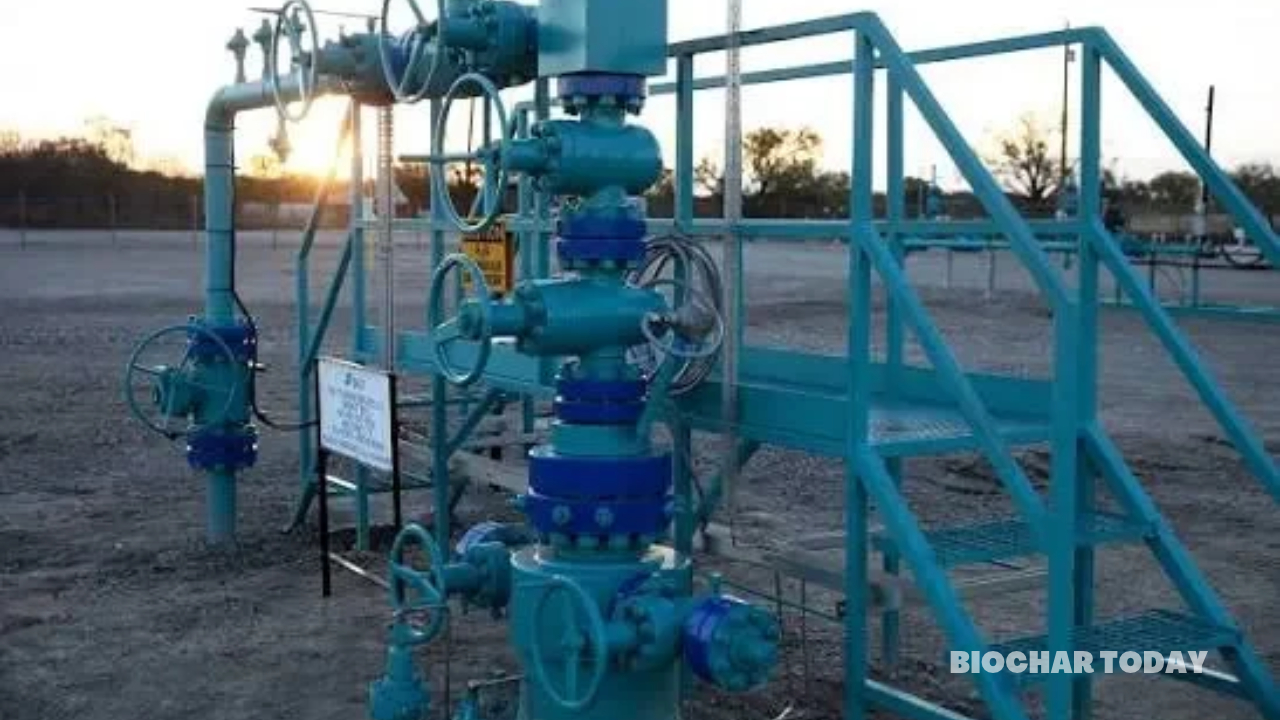
As voluntary carbon markets seek standardized protocols for permanent carbon sequestration, BKV Corporation has achieved a major regulatory milestone by securing the first-ever carbon credits issued under Verra’s Carbon Capture and Storage (CCS) methodology. The landmark approval applies to the Barnett Zero project located in Bridgeport, Texas, establishing a verified benchmark for industrial emissions capture within the energy sector.
The primary challenge addressed in this project involves quantifying and certifying greenhouse gas reductions from industrial operations that generate unavoidable carbon dioxide streams. Specifically, capturing carbon separated during raw natural gas processing requires rigorous, standardized accounting to ensure that permanence, leakage risks, and additionality are transparently evaluated before credits enter the voluntary market. Without established methodologies tailored to specific industrial capture applications, project developers have faced considerable barriers in commercializing durable storage initiatives.
To address these hurdles, the Barnett Zero project utilized Verra’s Verified Carbon Standard (VCS) framework, applying core methodology VM0049 alongside specialized module VMD0062 for natural gas processing. Under this technical approach, carbon dioxide separated at the facility is captured, compressed, and transported to a nearby injection well for permanent underground geological storage. This configuration ensures that emissions diverted from industrial gas streams are tracked and permanently isolated under independent third-party audit verification.
The outcomes of this validation establish a vital precedent for the broader deployment of industrial carbon capture. By successfully navigating Verra’s framework, the project proves that permanent geologic storage from fossil infrastructure can be rigorously measured and certified, opening a credible crediting pathway for durable carbon management solutions in the voluntary carbon market.



Leave a Reply