
The biocharBiochar is a carbon-rich material created from biomass decomposition in low-oxygen conditions. It has important applications in environmental remediation, soil improvement, agriculture, carbon sequestration, energy storage, and sustainable materials, promoting efficiency and reducing waste in various contexts while addressing climate change challenges. More sector has evolved far beyond its origins as a niche soil amendmentA soil amendment is any material added to the soil to enhance its physical or chemical properties, improving its suitability for plant growth. Biochar is considered a soil amendment as it can improve soil structure, water retention, nutrient availability, and microbial activity. More. Today, biochar is used across a broad range of applications, including carbon removal, agriculture, forestry, water treatment, mine reclamation, composting, erosion control, and manure management. As new industries adopt biochar and carbon markets continue to expand, the diversity of products entering the market has increased significantly. While this growth presents new opportunities, it also raises an important challenge: how can buyers distinguish between materials that differ substantially in origin, documentation, intended use, and carbon credit eligibility?
At present, products with very different characteristics are often marketed under the same generic term—biochar. One product may be manufactured from a well-characterized feedstockFeedstock refers to the raw organic material used to produce biochar. This can include a wide range of materials, such as wood chips, agricultural residues, and animal manure. More with comprehensive production records, laboratory analyses, and complete traceability. Another may originate from mixed biomassBiomass is a complex biological organic or non-organic solid product derived from living or recently living organism and available naturally. Various types of wastes such as animal manure, waste paper, sludge and many industrial wastes are also treated as biomass because like natural biomass these More streams with only partial documentation, while a third may be produced as a by-product with limited information regarding its feedstock, production process, or long-term carbon storage potential. Although all may technically fall under the umbrella of biochar, they do not necessarily provide the same level of transparency or support the same environmental or carbon-related claims.
As biochar becomes increasingly integrated into regulated carbon markets and large-scale environmental projects, greater consistency in product classification will become essential. Producers, buyers, researchers, certification bodies, and project developers all benefit from a clearer understanding of the information available for a particular material. Rather than replacing existing certification systems or carbon accounting methodologies, a practical classification framework can provide a common language for communicating the quality and traceability of biochar products.
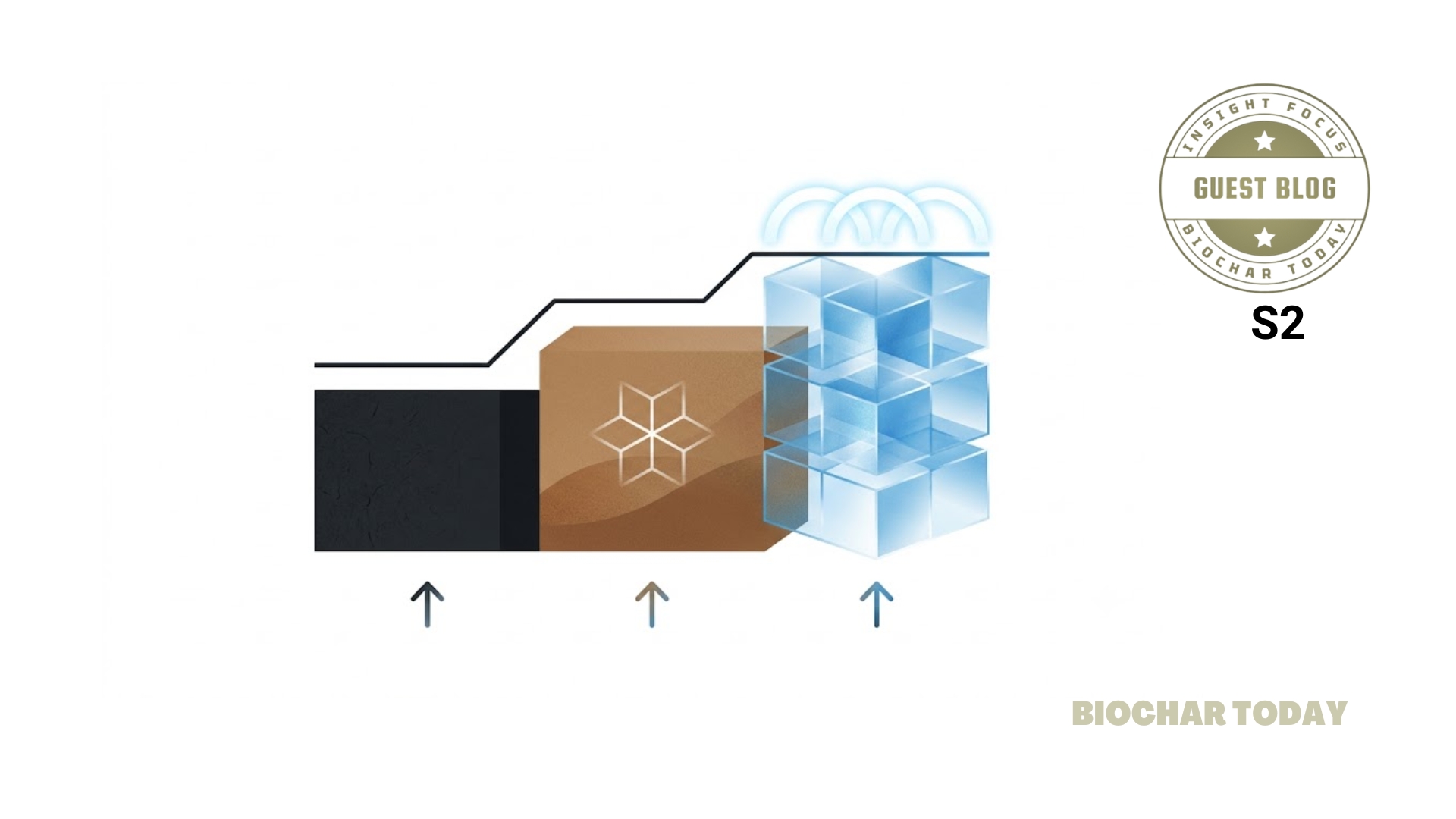
One approach is a three-tier framework based on the strength of documentation, feedstock identity, production records, intended application, and carbon credit eligibility. Such a system allows stakeholders to quickly understand the level of information available for a particular biochar while encouraging greater transparency throughout the supply chain.
Tier 1: Fully Documented Engineered Biochar
Tier 1 represents biochar with the highest level of documentation and traceability. Materials in this category originate from clearly identified feedstocks and are supported by comprehensive production records, laboratory testing, chain-of-custody documentation, and deployment records where applicable.
A Tier 1 product should provide clear answers to fundamental questions. What feedstock was used? Where did it originate? How was it processed? Which production batch does it belong to? What do laboratory analyses demonstrate regarding its properties? Is it intended for a specific application, and does it satisfy the documentation requirements for carbon credit programs?
Modern tracking technologies can further strengthen this level of transparency. Bagged products may be linked to QR-coded batch records, while bulk shipments can be associated with bills of lading, load numbers, and geotagged deployment information. Together, these records provide confidence that the material’s environmental claims are supported by verifiable evidence.
Tier 2: Documented Biochar with Limited Traceability
Not every biochar product requires the extensive documentation expected for carbon removal projects. Many materials serve valuable roles in agriculture, composting, stormwater management, reclamation, erosion control, and manure management, even though their documentation may be less comprehensive.
Tier 2 encompasses these legitimate products. Feedstocks may consist of mixed biomass streams or partially documented sources, and production records may be available without providing complete batch histories or deployment information. Carbon credit eligibility may also be uncertain or outside the intended purpose of the material.
Importantly, Tier 2 should not be interpreted as inferior quality. Instead, it reflects a different level of documentation appropriate for many practical applications. Clear disclosure of available information enables buyers to make informed decisions while ensuring that products are represented accurately.
Tier 3: Biochar with Limited Verification
Tier 3 includes materials for which feedstock origin, production history, laboratory testing, or documentation are incomplete or unavailable. These materials may include certain by-products, mixed waste-derived chars, or products marketed as biochar without sufficient supporting information.
Such materials may still have appropriate applications in situations where extensive documentation is not required. However, they should not be presented as equivalent to highly documented engineered biochars or materials intended for carbon removal projects. Without reliable information regarding feedstock identity, production conditions, testing results, or deployment history, it becomes difficult for buyers to assess performance or support higher-value environmental claims.
Preserving the Integrity of Tier Classification
For any classification framework to be effective, the assigned tier must remain linked to the documented material throughout its lifecycle. Blending a small proportion of highly documented biochar with materials from lower documentation categories should not automatically elevate the final product to a higher tier. Instead, blended products should generally assume the lowest applicable tier unless the producer can demonstrate, document, and certify the blend as a new qualified batch.
Similarly, claims regarding carbon credits should always be traceable to the specific documented batch from which they originate. Maintaining this chain of evidence protects producers who invest in rigorous documentation while giving buyers greater confidence in the products they purchase.
Toward Greater Transparency in the Biochar Industry
As biochar markets continue to mature, transparency and traceability will play an increasingly important role in supporting buyer confidence, regulatory compliance, and carbon market participation. A simple, practical classification framework can help establish a common vocabulary for producers, researchers, registries, engineers, universities, certification organizations, and end users.
Such a framework is not intended to replace existing standards or certification programs. Instead, it can complement them by providing an accessible way to communicate the level of documentation associated with a particular biochar product. This approach may also create opportunities for smaller producers who maintain rigorous production records and high-quality feedstocks but lack the visibility of larger commercial suppliers.
Ultimately, biochar should be evaluated not only by its physical appearance or product label but also by the quality of the information that accompanies it. Feedstock identity, production methods, laboratory characterization, deployment records, and documented environmental claims together provide the foundation for informed decision-making. As the biochar sector continues to expand, improving transparency through practical classification systems could contribute to stronger markets, greater trust, and more consistent communication across the industry.



![Eucalyptus Wood Waste-Derived Biochar Achieves a Ninety-Eight Percent Removal Efficiency for Benzo[ghi]perylene in Vehicle-Wash Wastewater](https://biochartoday.com/wp-content/uploads/2026/10/SCIENCE-BLOGS-2026-2026-10-19T160523.703.jpg)


Leave a Reply