

Key Takeaways
- Volumetric dielectric heating transfers electromagnetic radiation directly to polar molecules inside organic material, eliminating the stark thermal gradients common in external kiln systems.
- Rapid internal gas release during microwave synthesis accelerates pore opening to build wide, interconnected mesoporous networks that improve internal particle diffusion.
- Extended treatment durations inside conventional external heaters collapse vulnerable cellular walls, decreasing final porous volume and locking away active attachment surfaces.
- Controlled microwave reactions produce structural order and preserve reactive oxygen and nitrogen molecular arrangements on the carbon surface for targeted pollutant removal.
Increasing global volumes of municipal organic scraps, agricultural residues, and toxic sludge force environmental engineers to develop advanced, low-emission waste recycling strategies. Converting these materials into multi-functional carbon sorbents presents an optimal method to lock away greenhouse gases while generating stable matrices for water purification. However, conventional manufacturing configurations rely on external furnace tubes that transfer heat slowly from the surface inward via thermal conduction. This uneven heating dynamic results in high surface temperatures that strip away beneficial chemical configurations and trigger the collapse of internal pore networks, yielding heterogeneous carbon batches with restricted chemical activity. To overcome these manufacturing limitations, researchers compiled extensive structural data to compare how traditional conduction heating and high-frequency microwave radiation alter the internal mechanics and decontamination efficiencies of solid carbon materials.
The investigative framework thoroughly mapped out the chemical, structural, and thermodynamic profiles of charcoalCharcoal is a black, brittle, and porous material produced by heating wood or other organic substances in a low-oxygen environment. It is primarily used as a fuel source for cooking and heating. More generated under diverse thermal regimes. Engineers scrutinized data from diverse processing methods, ranging from extended hours-long slow carbonization to high-power microwave treatments operating at standard industrial frequencies. The comparison evaluated porous volumes, crystalline graphitic ordering, surface charge properties, and the precise density of preserved atomic configurations across identical source materials. By contrasting these structural parameters against standard pollutant removal kinetics, the research group constructed a comprehensive mechanistic index that tracks how different processing methods alter physical sorption speeds, chemical bond formations, and electron transfer pathways during multi-pollutant filtering.
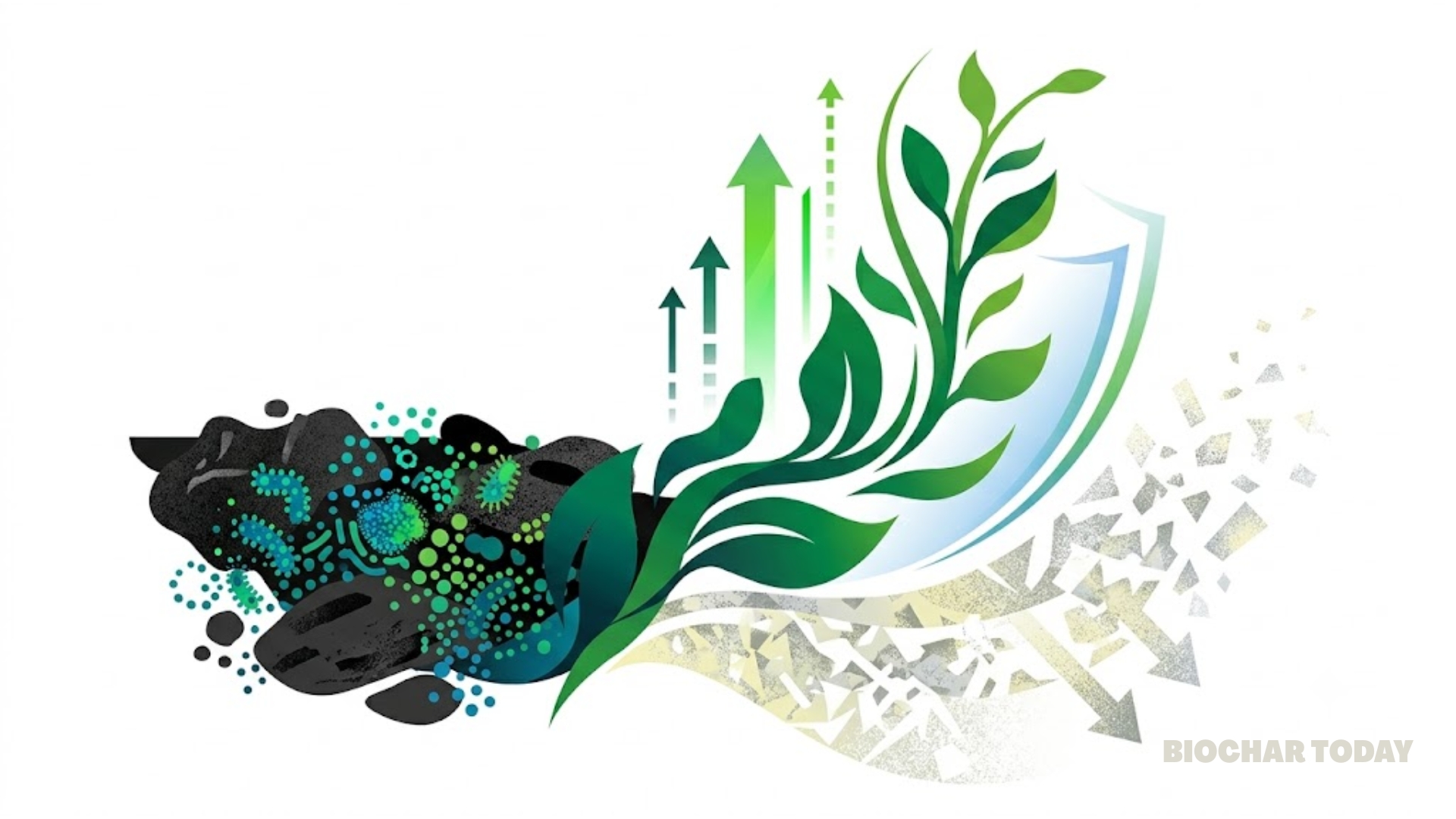
The gathered evidence confirmed that microwave-assisted synthesis changes basic pore formation by replacing conduction with instant volumetric energy transfer. When subjected to electromagnetic fields, polar compounds and minerals within raw plant matter rapidly rotate, generating uniform interior heat that triggers immediate, explosive outgassing throughout the entire sample volume. This volumetric gas release prevents pore walls from folding inward, building large, interconnected mesoporous pathways that maximize internal diffusion. Consequently, while traditional heating produces modest surface areas between 100 and 400 square meters per gram, optimized microwave methods reliably generate highly active surfaces exceeding 800 square meters per gram without requiring supplementary chemical etching steps.
Beyond increasing physical sorting space, the brief reaction durations typical of microwave systems shield vulnerable functional groups from thermal destruction. Conventional processing causes prolonged deoxygenation, removing beneficial hydroxyl, carboxyl, and carbonyl configurations from the carbon skeleton. Conversely, microwave-derived sorbents retain dense clusters of these oxygenated structures alongside high graphitic density. These chemical features act as targeted binding anchors, enabling microwave charcoal to outperform standard materials during the extraction of polar medicines, chemical dyes, and heavy metal ions from aquatic environments. Furthermore, the combination of high surface roughness and wide cavities allows microwave-processed carbon to achieve up to ninety percent removal efficiencies for microplastic beads by physically catching and locking floating fragments inside its surface fissures.
Although microwave installations require higher initial capital investments for specialized shielding and electromagnetic wave generators, the system offers superior energy balance profiles at scale. Industrial modeling indicates that microwave configurations require only 1.2 to 2.0 megajoules of electricity per kilogram of manufactured carbon, compared to the 2.5 to 4.0 megajoules consumed by conventional thermal kilns. This high efficiency stems from shorter heating times and the total elimination of background furnace energy losses. By producing carbon materials with double the baseline contaminant capacity and superior mechanical stability, the microwave synthesis pathway aligns directly with international carbon neutrality standards and resource efficiency mandates. This structural control framework successfully bridges the gap between laboratory carbon science and scalable, sustainable environmental engineering.
Source: Rasool, A., Brožová, K., Chromíková, J., Pertile, E., Halfar, J., Malíková, P., Motyka, O., Drabinová, S., Čabanová, K., & Heviánková, S. (2026). Conventional and microwave-assisted pyrolysisPyrolysis is a thermochemical process that converts waste biomass into bio-char, bio-oil, and pyro-gas. It offers significant advantages in waste valorization, turning low-value materials into economically valuable resources. Its versatility allows for tailored products based on operational conditions, presenting itself as a cost-effective and efficient More biochars: comparative mechanistic insights, structural evolution, and environmental remediation applications. BiocharBiochar is a carbon-rich material created from biomass decomposition in low-oxygen conditions. It has important applications in environmental remediation, soil improvement, agriculture, carbon sequestration, energy storage, and sustainable materials, promoting efficiency and reducing waste in various contexts while addressing climate change challenges. More, 8(1), 98.



Leave a Reply