
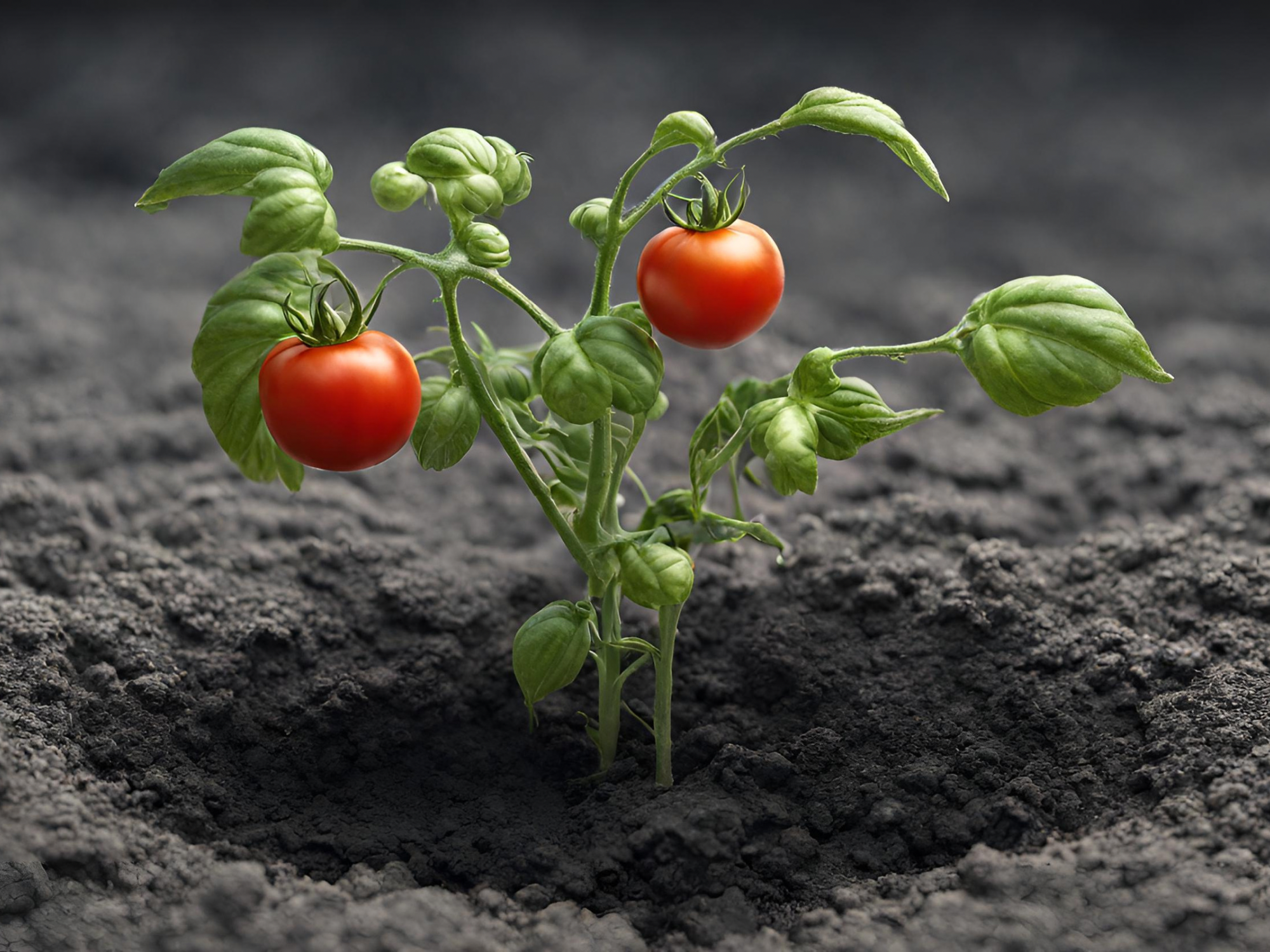

Tomatoes, being a globally cultivated vegetable, face a growing threat from phthalic acid ester (PAE) contamination in agricultural soils. Di-(2-ethylhexyl) phthalate (DEHP), a common PAE, poses environmental and health risks. This study delves into the impact of biochar dosage (0%–2.0%) on DEHP degradation in tomato rhizosphere, addressing the urgent need to mitigate DEHP concentrations for soil and human health.
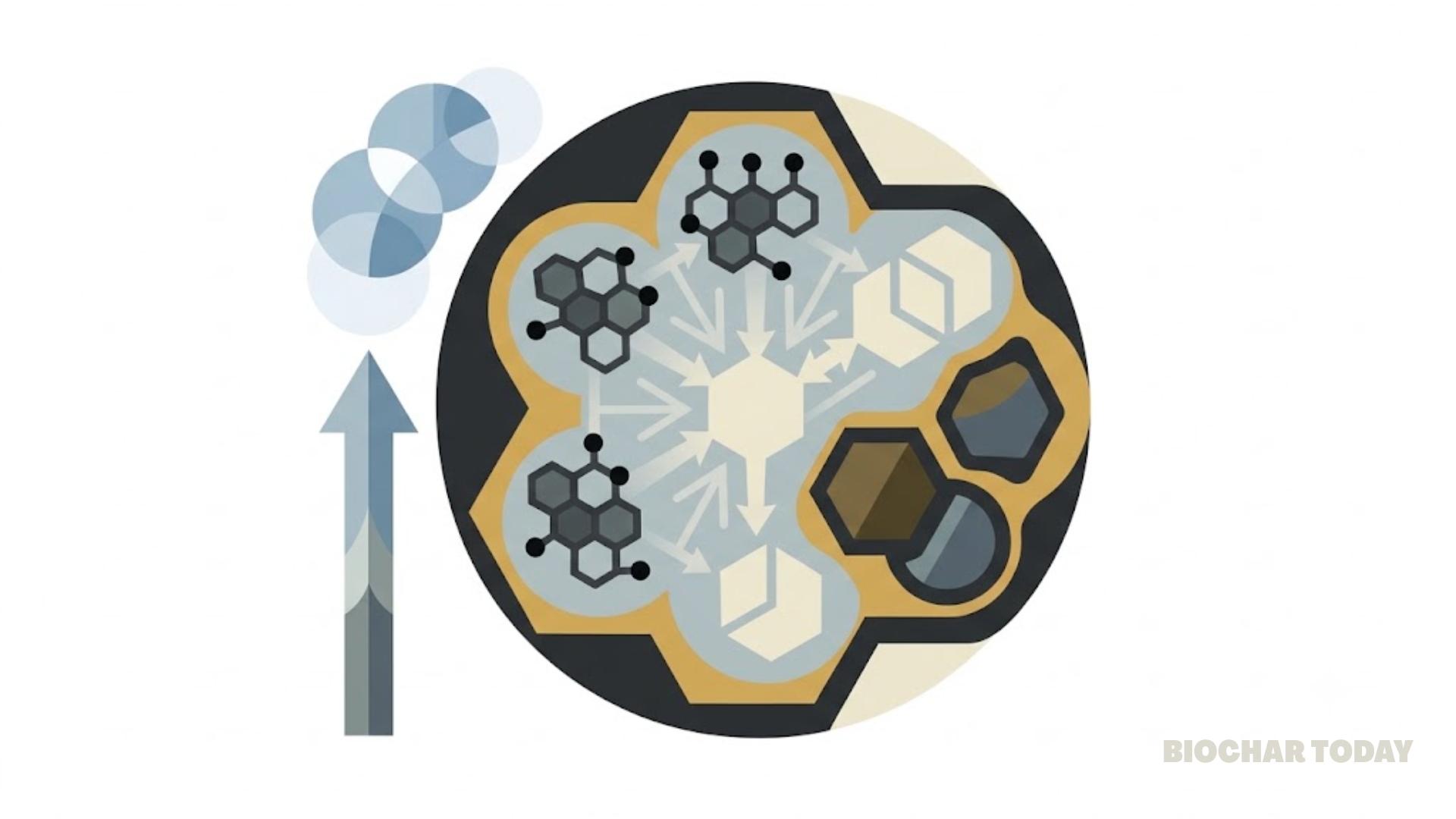
Biochar addition significantly increased rhizosphere pHpH is a measure of how acidic or alkaline a substance is. A pH of 7 is neutral, while lower pH values indicate acidity and higher values indicate alkalinity. Biochars are normally alkaline and can influence soil pH, often increasing it, which can be beneficial More, organic matter, and humus, leading to a remarkable 77.53% DEHP removal efficiency with 1.0% biochar. Bacterial communities shifted, enriching potential DEHP degraders like Nocardioides and Rhodanobacter. Moreover, biochar influenced DEHP degradation pathways, favoring protocatechuic acid over benzoic acid.
This research provides insights into the multifaceted benefits of biochar in enhancing DEHP removal. The alteration of soil physicochemical variables, bacterial communities, and metabolic genes underscores the potential of biochar-assisted DEHP degradation in contaminated farmland soils. The study highlights a sustainable approach to address PAE contamination, ensuring a healthier soil ecosystem and reduced risks to human health.
The findings underscore the pivotal role of biochar in accelerating DEHP degradation in tomato rhizosphere, shedding light on its potential applications in eco-friendly soil remediation strategies. As the agricultural industry grapples with the consequences of intensive practices, understanding the mechanisms behind biochar’s effectiveness becomes crucial for sustainable and responsible farming practices.





Leave a Reply