
Key Takeaways
- Sludge biocharBiochar is a carbon-rich material created from biomass decomposition in low-oxygen conditions. It has important applications in environmental remediation, soil improvement, agriculture, carbon sequestration, energy storage, and sustainable materials, promoting efficiency and reducing waste in various contexts while addressing climate change challenges. More combined with a specific microbial mix significantly improves plant growth in contaminated soil.
- This treatment increases the amount of lead absorbed by plant roots and the amount of zinc moved to the plant stems.
- The combination of biochar and microbes helps restore soil health by supporting beneficial bacteria and fungi.
- Using this method helps plants survive and grow even in highly toxic mining waste.
- This approach offers a powerful new way to clean up heavy metal pollution using nature-based solutions.
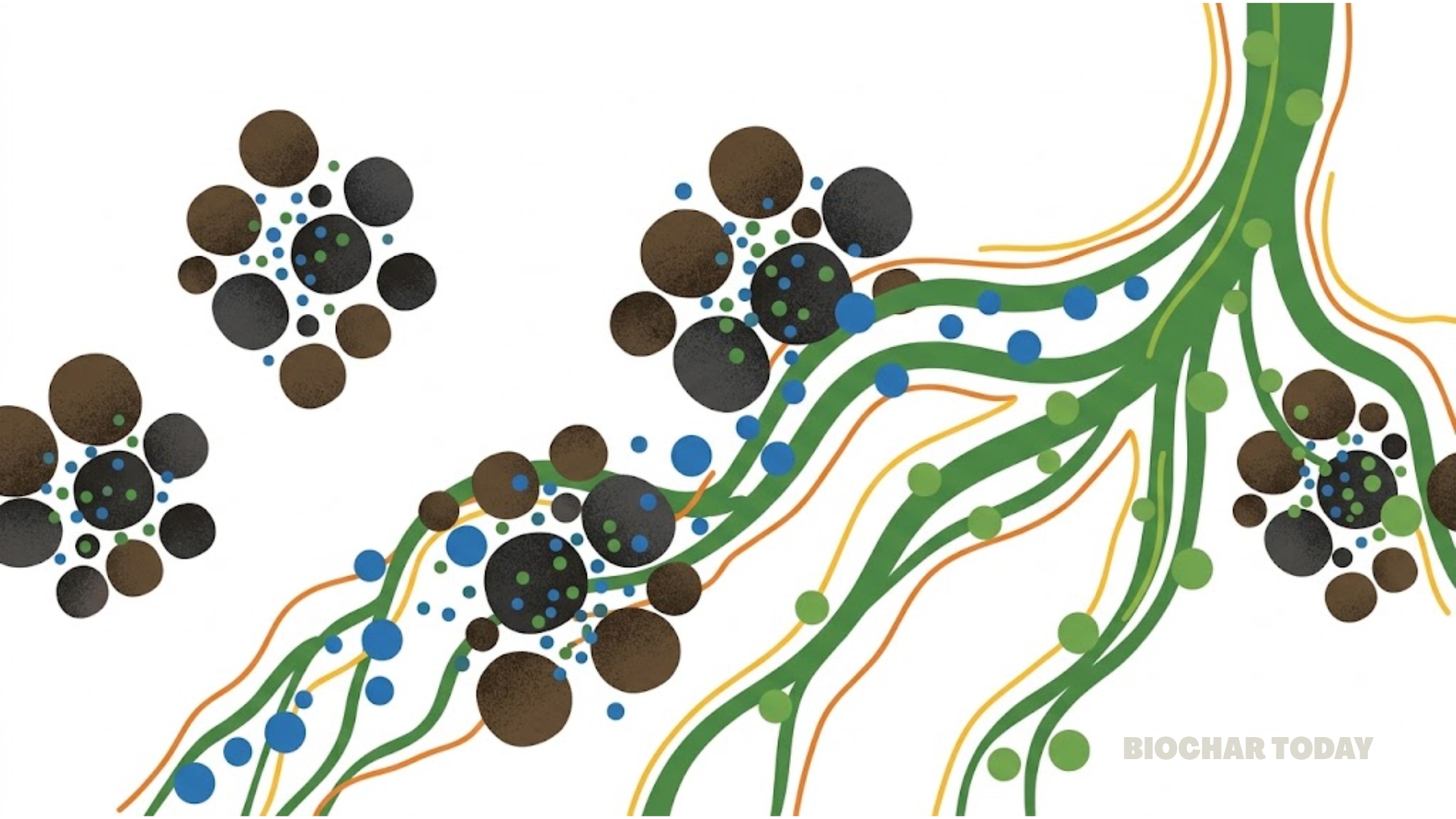
In a study recently published in the journal Biochar, researchers Zihao Yang, Lijuan Jiang, Xuejun Li, Qiaoling Ji, Mengyuan Wang, Yi Zhang, Yuanlin Cheng, Xuan Zhang, Hui Li, and Chongling Feng explored the potential of using sludge biochar and a multifunctional microbiome to clean up lead and zinc pollution. Heavy metal contamination from mining and smelting activities poses a severe threat to global health, as these toxic elements can enter the food chain and cause long-term damage to the human nervous and reproductive systems. The researchers turned to phytoremediationThis is a technique that uses plants to clean up contaminated soil or water. Biochar can enhance phytoremediation by improving soil conditions and promoting plant growth, allowing plants to absorb and break down pollutants more effectively. More, a process where plants like castor are used to absorb and stabilize contaminants in the soil. To boost the efficiency of this process, they developed a system where beneficial microbes are housed on sludge biochar, which protects the microorganisms from metal toxicity and provides them with a stable habitat.
The findings revealed that the combination of sludge biochar and the multifunctional microbiome, referred to as the MB treatment, produced a powerful synergistic effect. While high concentrations of lead and zinc typically stunt plant growth, the MB treatment allowed castor plants to flourish. Specifically, the researchers observed that root phenotypes—including length, surface area, and volume—increased to 2.4 times the levels seen in untreated plants. This robust root development is crucial because the roots serve as the primary site for nutrient uptake and the absorption of heavy metals. By improving the physical structure of the roots, the treatment ensured that the plants remained healthy enough to continue the remediation process even under extreme stress.
Quantitative analysis showed significant improvements in how the castor plants handled lead and zinc. The MB treatment increased the absorption of lead into the roots by 56.9% and boosted the transfer of zinc to the aboveground parts of the plant by 30%. This distinction in how the metals move is important because lead is generally more toxic and harder for plants to transport, whereas zinc is a nutrient that plants move more readily. The study found that castor plants are particularly effective at handling zinc, with transfer factors exceeding 156% and reaching as high as 289% in some cases. This means the plants are not just tolerating the pollution but are actively moving it out of the soil and into their stems and leaves, where it can be more easily managed.
Beyond the physical growth of the plants, the researchers looked at how the treatment changed the invisible world of soil microorganisms. High levels of heavy metal stress usually decrease microbial diversity, but the addition of the biochar-immobilized microbiome helped reshape the rhizosphere. The treatment boosted the abundance of plant growth-promoting rhizobacteria and beneficial fungi. These microorganisms help the plants by fixing nitrogen, solubilizing phosphorus, and producing growth hormones like indole-3-acetic acid. The study found that the microbial communities in the MB-treated soil were more stable and resilient than those in the control groups. This stable community is essential for maintaining long-term soil fertility and ensuring that the phytoremediation process remains effective over time.
The researchers also noted that the treatment influenced the bioavailability of the metals in the soil. Under high concentrations of pollution, the MB treatment increased the acid-extractable content of lead and zinc. This might seem counterintuitive, but in the context of phytoremediation, making the metals more bioavailable allows the plant roots to absorb them more effectively. The biochar acts as a protective carrier, giving the multifunctional microbiome a safe place to live while the microbes work to alter the soil chemistry. This partnership between the carbon-rich biochar and the growth-promoting microbes provides a high-efficiency approach to treating complex, multi-metal contamination.
In conclusion, the study successfully demonstrated that integrating sludge biochar with a targeted microbiome significantly enhances the ability of castor plants to remediate lead and zinc pollution. By improving root development, increasing metal uptake, and stabilizing the soil’s microbial ecosystem, this method offers a viable and sustainable solution for restoring environments damaged by industrial activities. The results suggest that this combined approach is far more effective than using either biochar or microbes alone, marking a significant step forward in the field of nature-based environmental cleanup.
Source: Yang, Z., Jiang, L., Li, X., Ji, Q., Wang, M., Zhang, Y., Cheng, Y., Zhang, X., Li, H., & Feng, C. (2025). Role of sludge biochar immobilized multifunctional microbiome in phytoremediation of lead-zinc composite pollution. Biochar, 7(5).



Leave a Reply