
Varaha has announced the launch of the Varaha Industrial Partners Program (VIPP), a global initiative designed to facilitate the generation of high-integrity carbon removal credits for biomassBiomass is a complex biological organic or non-organic solid product derived from living or recently living organism and available naturally. Various types of wastes such as animal manure, waste paper, sludge and many industrial wastes are also treated as biomass because like natural biomass these More processing facilities. The program’s inaugural project is a collaborative effort with Revata Carbon and Valency International located in Côte d’Ivoire. This partnership focuses on the deployment of industrial-scale biocharBiochar is a carbon-rich material created from biomass decomposition in low-oxygen conditions. It has important applications in environmental remediation, soil improvement, agriculture, carbon sequestration, energy storage, and sustainable materials, promoting efficiency and reducing waste in various contexts while addressing climate change challenges. More production by leveraging digital measurement, reporting, and verification (MRV) platforms to commercialize carbon credits. The initiative seeks to integrate agricultural waste management with global carbon markets, specifically targeting the conversion of cashew processing byproducts into stable carbon sinks.
The primary challenge addressed by this partnership is the environmental management of cashew shell waste within Côte d’Ivoire, a central hub in the global cashew economy. As the industry expands, the accumulation of cashew shells presents a significant disposal problem, as these residues currently have few high-value end uses. Historically, such biomass has often been discarded or burned in the open, leading to localized pollution and the release of greenhouse gases. The lack of a structured, industrial-scale conversion process has prevented the agricultural sector from effectively utilizing these residues as a climate-positive asset.
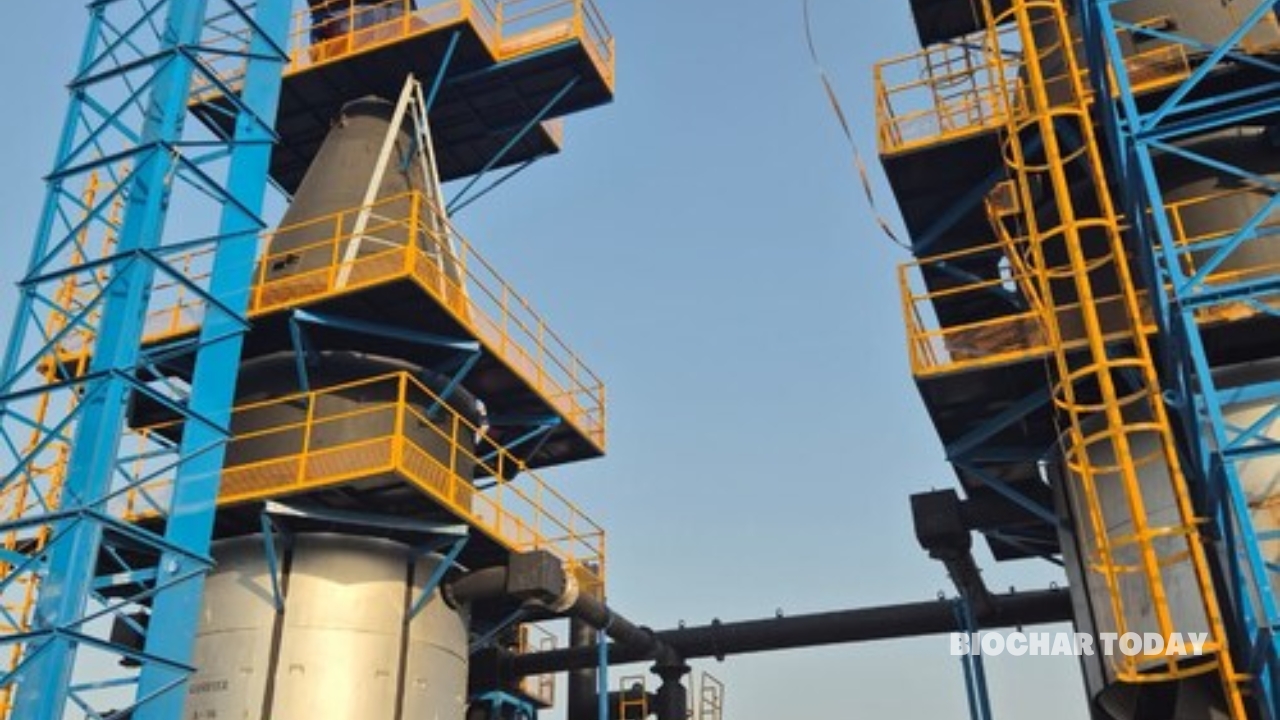
To resolve this, the partners are implementing a controlled gasificationGasification is a high-temperature, thermochemical process that converts carbon-based materials into a gaseous fuel called syngas and solid by-products. It takes place in an oxygen-deficient environment at temperatures typically above 750°C. Unlike combustion, which fully burns material to produce heat and carbon dioxide (CO2), gasification More solution to transform cashew shells into high-quality biochar. Valency International provides the necessary feedstockFeedstock refers to the raw organic material used to produce biochar. This can include a wide range of materials, such as wood chips, agricultural residues, and animal manure. More and supply chain expertise, while Revata Carbon manages in-country operations and the conversion process. Varaha oversees the technical aspects of the project, applying a digital MRV framework to ensure the integrity of the carbon removal. The credits generated from this process are issued in partnership with Puro.earth, following established biochar methodologies to ensure they meet the rigorous standards required by corporate and institutional buyers in the international market.
The anticipated outcomes of this project include the establishment of a scalable model for durable carbon removal in West Africa. By diverting cashew shells from waste streams to gasification units, the project sequesters carbon that would otherwise be emitted, while producing biochar for use as a soil amendmentA soil amendment is any material added to the soil to enhance its physical or chemical properties, improving its suitability for plant growth. Biochar is considered a soil amendment as it can improve soil structure, water retention, nutrient availability, and microbial activity. More to improve local agricultural fertility. Furthermore, the collaboration demonstrates a viable pathway for industrial agribusinesses to decarbonize their value chains. This structured approach to MRV and commercialization is expected to provide a consistent revenue stream through carbon credit sales, supporting both sustainable development and employment within the regional cashew industry.





Leave a Reply