

In Bangladesh, the government and various environmental stakeholders are increasingly focusing on the integration of carbon trading as a mechanism to support the national economy and meet climate objectives. The focus is shifting toward nature-based solutions, specifically reforestation and the incorporation of biocharBiochar is a carbon-rich material created from biomass decomposition in low-oxygen conditions. It has important applications in environmental remediation, soil improvement, agriculture, carbon sequestration, energy storage, and sustainable materials, promoting efficiency and reducing waste in various contexts while addressing climate change challenges. More, to participate in the global green economy. By aligning domestic environmental policy with international carbon market standards, the country aims to transform its climate vulnerability into a structured financial opportunity. This strategic pivot emphasizes the role of carbon sequestration as a tradable commodity that can attract foreign investment and support sustainable development goals.
The primary challenge addressed in this context is Bangladesh’s historical inability to fully capitalize on international carbon credit markets despite its significant sequestration potential. The country faces severe climate risks and requires substantial funding for mitigation; however, a lack of technical infrastructure and clear regulatory frameworks has hindered the monetization of carbon sinks. Furthermore, traditional agricultural practices often lead to carbon emissions rather than sequestration, creating a cycle of environmental degradation that limits the nation’s ability to participate in high-value voluntary and compliance carbon markets.
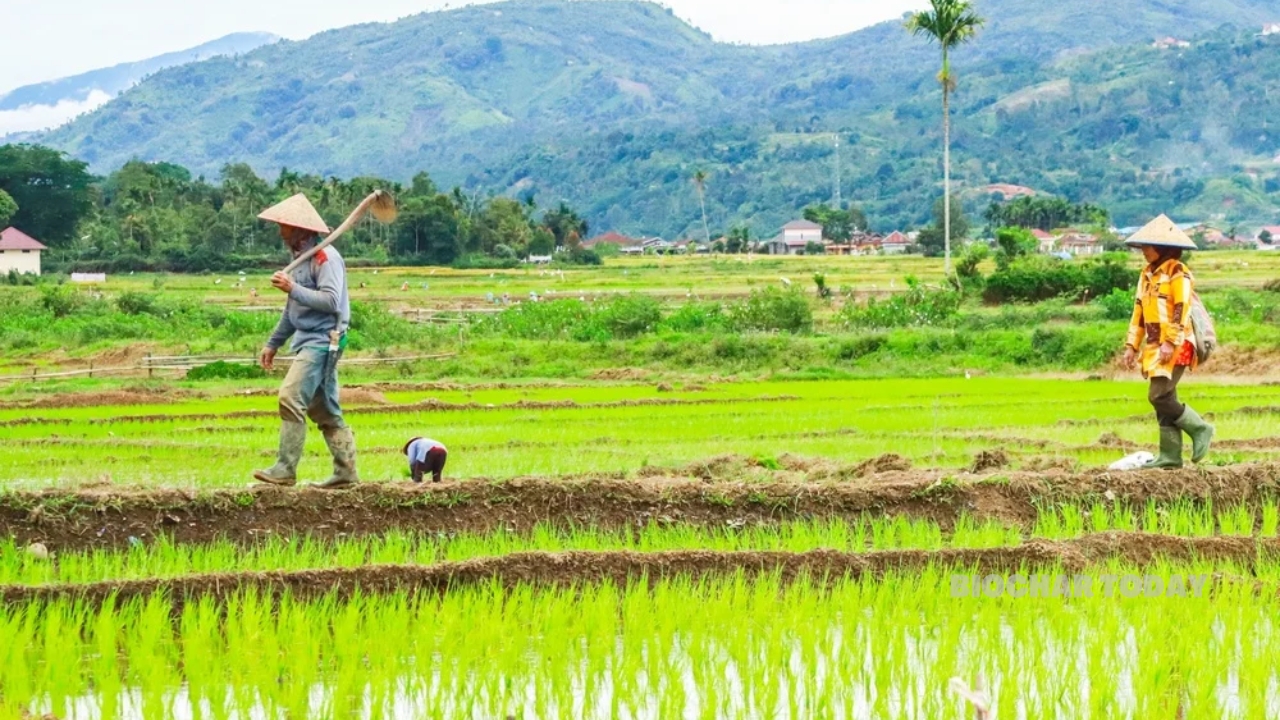
To address these barriers, the proposed solution involves a multi-sectoral approach to standardize carbon sequestration projects, including the widespread application of biochar in soil management and large-scale tree planting initiatives. By utilizing biochar, the agricultural sector can lock carbon into the soil for centuries, creating high-quality, verifiable carbon removals that are attractive to international buyers. The solution also includes the development of national policies that provide a transparent roadmap for monitoring, reporting, and verification (MRV), ensuring that carbon credits generated within the country meet the stringent requirements of the global green economy.
The outcomes of these actions include the creation of a new revenue stream for the Bangladeshi economy through the sale of carbon offsets and credits. Integrating biochar into this framework enhances soil productivity and agricultural resilience while simultaneously increasing the volume of sequestered carbon available for trade. Successfully tapping into these markets provides the necessary capital to fund further climate adaptation projects, effectively establishing a self-sustaining financial model for environmental protection. This transition positions Bangladesh as a proactive participant in the global carbon trade, moving beyond aid-dependency toward market-based climate solutions.



Leave a Reply