Skip to content
LinkedIn
X
Facebook
Instagram
Reddit
Spotify
RSS Feed
Search
News
Blog
Industry Insights
Expert Profiles
Biochar Decoded
Ask Annie
Announcements
Podcast
Videos
Insights
Use Cases
Agriculture
Horticulture
Livestock
Landscaping
Building Materials
Concrete / Asphalt
Reforestation
Soil Remediation
Water Treatment
Carbon Sequestration
About
About Biochar Today
Partner Directory
Editorial Guidelines
Contact
Agricultural sustainability
Applying 20 Tons per Hectare of Rice Straw Biochar Increases Intensive Vegetable Yields by up to 29 Percent and Boosts Nitrogen Use Efficiency
Low-Dose Biochar Application from Rice Straw Reduces Grain Arsenic Accumulation by Seventy-Three Percent While Sustaining Yields in Contaminated Paddy Soils
Straw-Derived Biochar Increases Rice Yield by Over Sixteen Percent in Saline Soils
New Process-Based Computer Model Predicts Agricultural Biochar Impacts with Up to Ninety-One Percent Accuracy Across Global Cropping Systems
New Zealand Wine Industry Explores Biochar Production from Vineyard Waste to Enhance Soil Health
Soil Management Trade-offs: Biochar Increases Sorghum Yield up to 35 Percent and Retains Soil Carbon while Nitrous Oxide Remains the Dominant Greenhouse Gas Emitter
Fire Up Your Fertility – How to Make Biochar
High-Dosage Biochar Application Reduces Soil Heavy Metal Bioavailability by up to 91 Percent While Tripling Carbon Sequestration Efficiency
Varaha and Kellanova Launch Regenerative Corn Initiative in India to Reduce Scope 3 Emissions
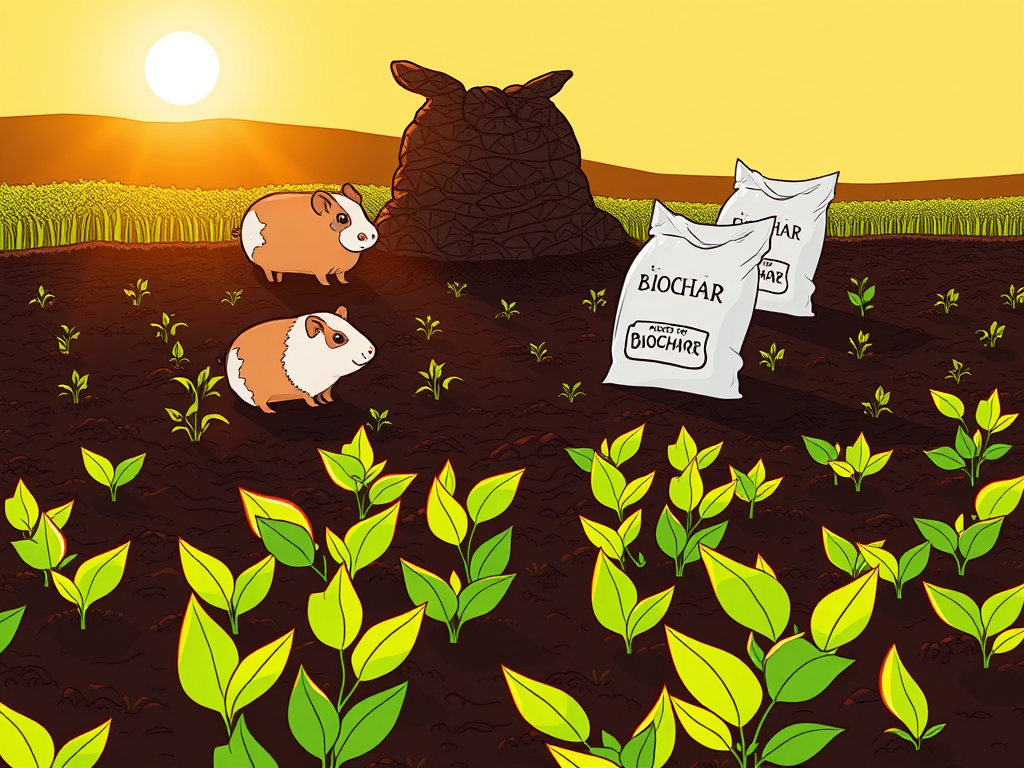
Boosting Acidic Soils: Guinea Pig Manure Biochar Offers 9.07 pH, Costs 231.23 Soles/Ton, and Yields 3,515.31 Soles/Ton in Market Value
1
2
3
…
5
Next Page
Loading Comments...
Write a Comment...
Email (Required)
Name (Required)
Website