
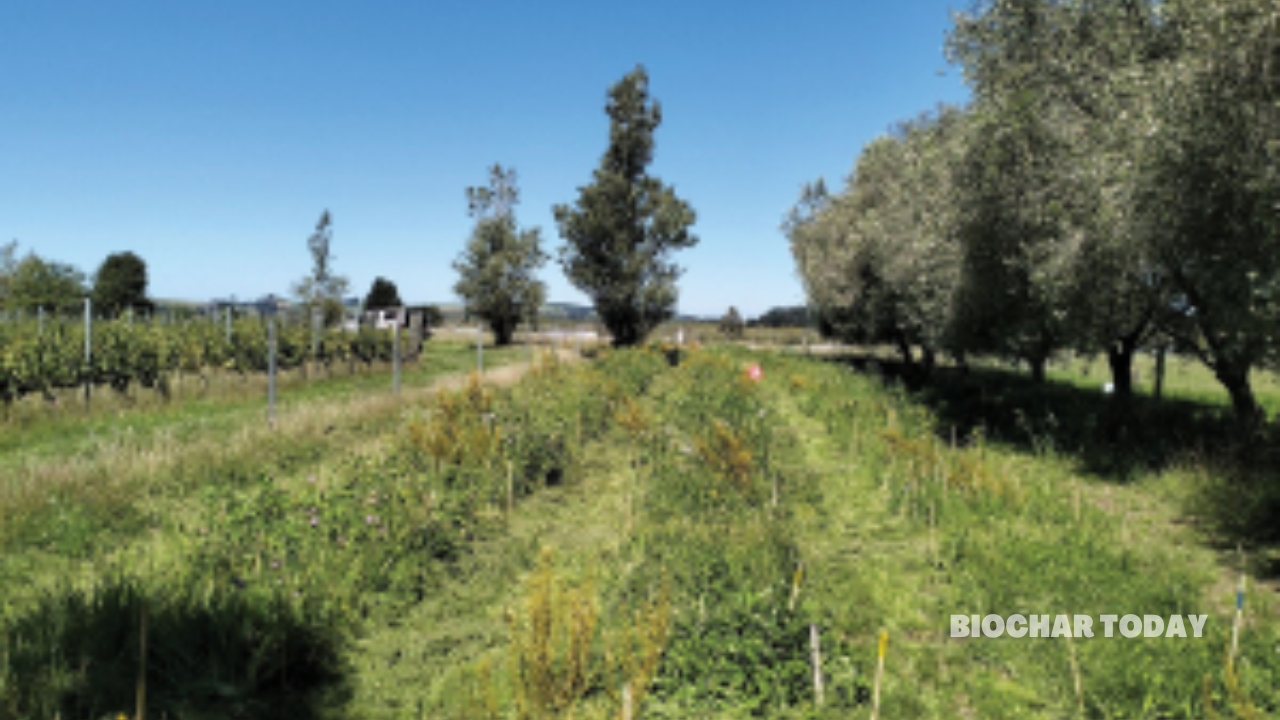
In New Zealand, the wine sector is actively investigating the production and application of biocharBiochar is a carbon-rich material created from biomass decomposition in low-oxygen conditions. It has important applications in environmental remediation, soil improvement, agriculture, carbon sequestration, energy storage, and sustainable materials, promoting efficiency and reducing waste in various contexts while addressing climate change challenges. More generated directly from vineyard waste, such as vine prunings and grape marc. This initiative aims to address agricultural waste management while simultaneously improving vineyard soil properties and supporting long-term industry sustainability. By converting organic byproducts that are typically discarded or burned into stable carbon, wine growers are evaluating how this material can be integrated into localized land management practices to enhance productivity and meet environmental goals.
The major challenge addressed by this initiative is the dual burden of managing massive volumes of organic viticulture waste and mitigating the degradation of vineyard soil structure. Annually, wine production generates substantial quantities of woody prunings and processing residues, the disposal of which often incurs financial costs or contributes to localized emissions through burning or decomposition. Concurrently, intensive cultivation practices frequently deplete soil organic matter, reduce water retention capacity, and diminish the overall biological health of the vine root zone, threatening long-term crop resilience.
To solve these compounding issues, industry stakeholders are developing localized pyrolysisPyrolysis is a thermochemical process that converts waste biomass into bio-char, bio-oil, and pyro-gas. It offers significant advantages in waste valorization, turning low-value materials into economically valuable resources. Its versatility allows for tailored products based on operational conditions, presenting itself as a cost-effective and efficient More systems to process vineyard prunings and marc into high-quality biochar. This strategy keeps the entire waste-to-resource cycle within the vineyard ecosystem, minimizing transport costs and logistics. The resulting material is then blended with compost or applied directly to vineyard rows, acting as a structural amendment designed to lock carbon into the ground and optimize nutrient cycling specifically tailored to local viticultural conditions.
Initial outcomes of these initiatives indicate measurable improvements in soil moisture retention and nutrient availability within the grapevine root zones. By establishing a circular economy framework, regional wine producers are successfully diverting tons of organic waste from traditional disposal streams while building a more resilient soil profile. These practical trials provide the broader global viticulture sector with a scalable model for reducing external input costs, stabilizing soil carbon pools, and securing agricultural productivity under changing environmental conditions.


![Eucalyptus Wood Waste-Derived Biochar Achieves a Ninety-Eight Percent Removal Efficiency for Benzo[ghi]perylene in Vehicle-Wash Wastewater](https://biochartoday.com/wp-content/uploads/2026/10/SCIENCE-BLOGS-2026-2026-10-19T160523.703.jpg)


Leave a Reply