
Wang, T., Husein, D.Z., Guo, S. et al. Adsorption characteristics and mechanisms of bisphenol A on novel nitrogen-modified biocharBiochar is a carbon-rich material created from biomass decomposition in low-oxygen conditions. It has important applications in environmental remediation, soil improvement, agriculture, carbon sequestration, energy storage, and sustainable materials, promoting efficiency and reducing waste in various contexts while addressing climate change challenges. More derived from waste masks and biomassBiomass is a complex biological organic or non-organic solid product derived from living or recently living organism and available naturally. Various types of wastes such as animal manure, waste paper, sludge and many industrial wastes are also treated as biomass because like natural biomass these More. Environ Sci Pollut Res (2024). https://doi.org/10.1007/s11356-024-34605-y
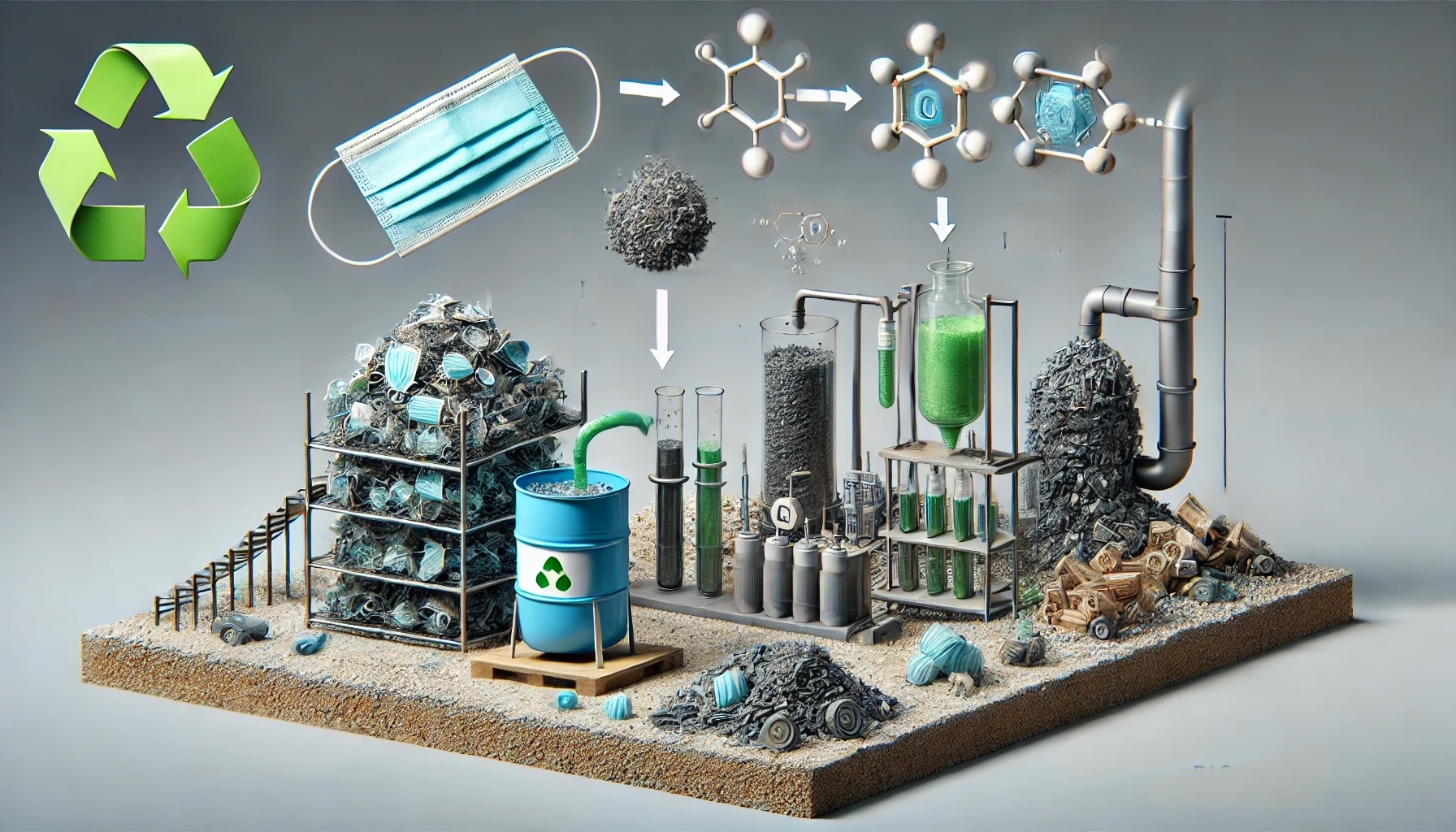
The growing concern around waste mask disposal has prompted innovative research into their sustainable use. In a recent study, scientists explored converting waste masks and biomass into biochar through co-pyrolysis under limited oxygen conditions. This mask-based biochar (MB) was then modified with nitrogen using a one-step hydrothermal synthesis method to create a novel material, nitrogen-modified mask-based biochar (NMB).
The study focused on NMB’s ability to adsorb bisphenol A (BPA), a common environmental pollutant, and found that NMB significantly outperformed other materials in this role. The waste masks contributed to the formation of a microsphere structure in the biochar, while the nitrogen modification enhanced the material’s surface properties, leading to a substantial increase in adsorption efficiency. The maximum adsorption capacity of NMB for BPA was 62.63 mg/g, which is 2.35 to 5.58 times higher than unmodified materials.
The adsorption process involved a combination of physical and chemical mechanisms, including π–π interactions, hydrogen bonding, and ion exchange. The study highlights that NMB has a low preparation cost (7.21 USD/kg) and promising potential for environmental applications, offering a sustainable solution for waste mask utilization and environmental protection. This research provides valuable insights into developing eco-friendly materials for pollutant removal.



Leave a Reply