• LinkedIn
  • X
  • Facebook
  • Instagram
  • Reddit
  • Spotify
  • RSS Feed
  • News
  • Blog
    • Ask Annie
    • Spill the Char
    • Expert Profiles
  • Videos
  • Use Cases
    • Agriculture
    • Horticulture
    • Livestock
    • Landscaping
    • Building Materials
    • Concrete / Asphalt
    • Reforestation
    • Soil Remediation
    • Water Treatment
    • Carbon Sequestration
  • The Biochar Show
  • Store
  • About
    • Partner Directory
    • Editorial Guidelines
    • Contact

pollutant removal

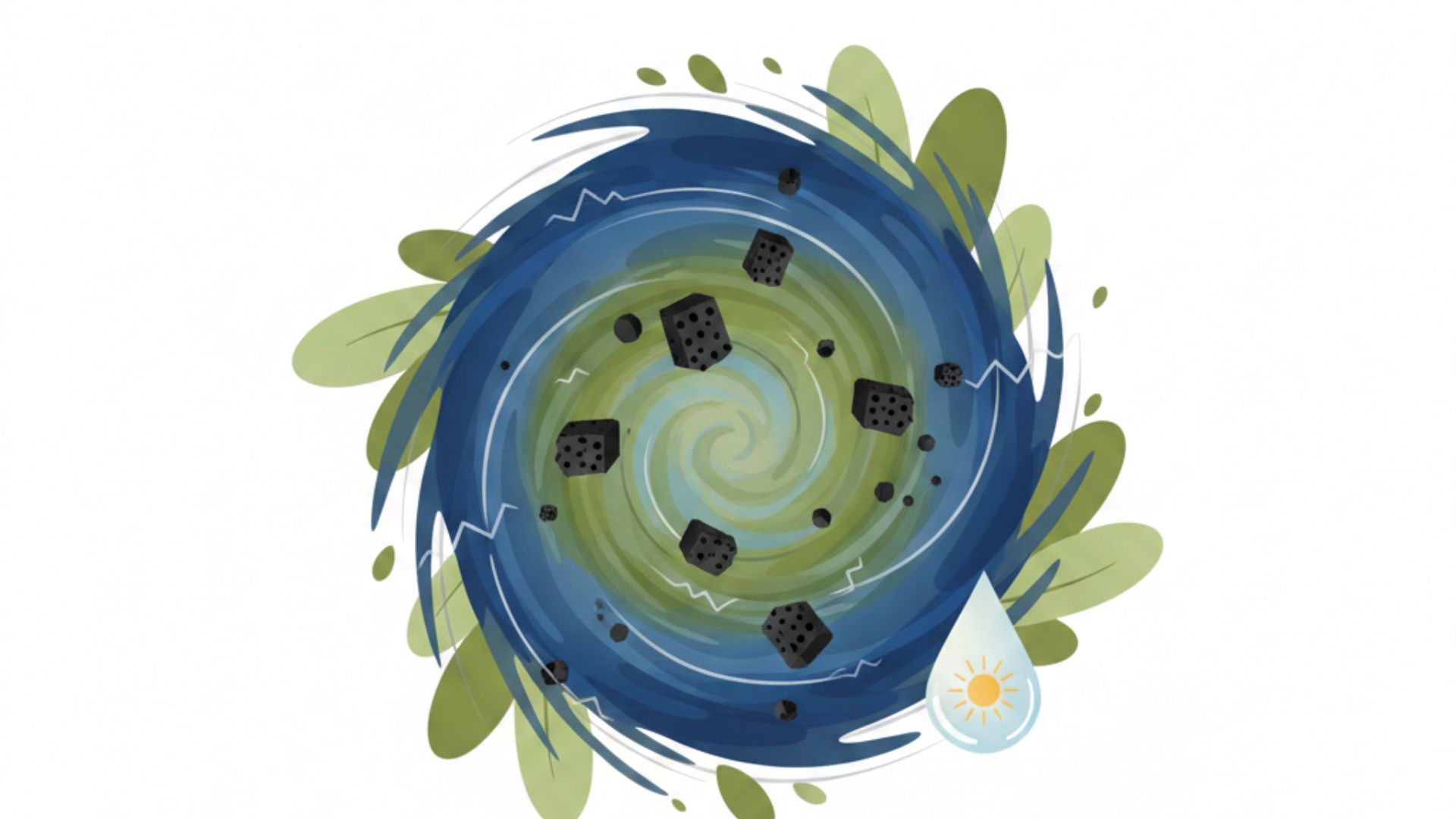
  • Innovative Olive-Mill Wastewater Treatment: Synergy of Biochar and Electrocoagulation for Sustainable Water Purification

    Innovative Olive-Mill Wastewater Treatment: Synergy of Biochar and Electrocoagulation for Sustainable Water Purification

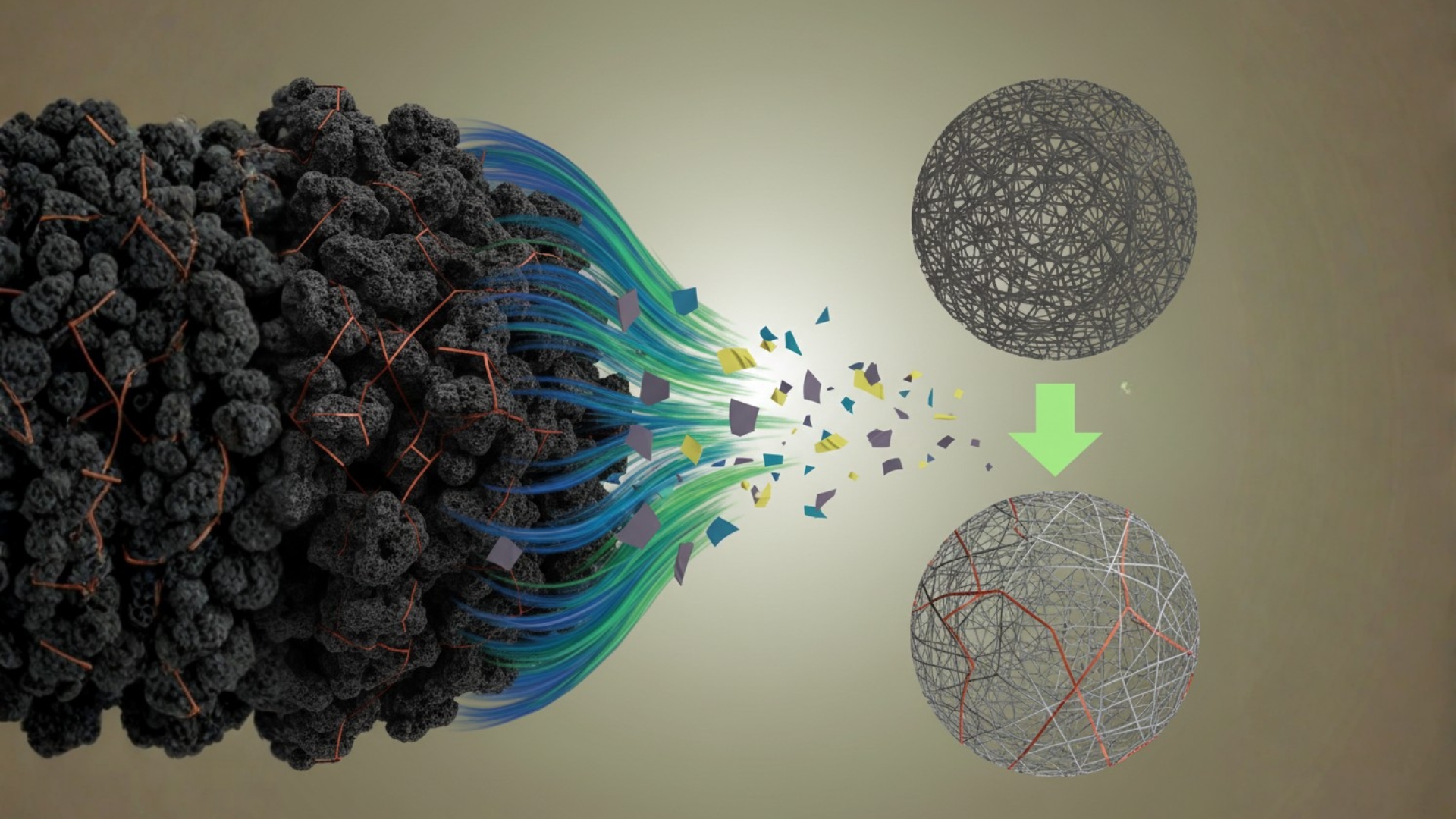
  • Element Doping Quadruples Biochar’s Carbon Sequestration and Enhances Energy Storage Performance

    Element Doping Quadruples Biochar’s Carbon Sequestration and Enhances Energy Storage Performance

  • Supercharging Charcoal: Iron-Modified Biochar Removes Over 94% of Herbicides, Halves Costs of Activated Carbon

    Supercharging Charcoal: Iron-Modified Biochar Removes Over 94% of Herbicides, Halves Costs of Activated Carbon

  • The Paw Paw Lake Biochar Initiative: A Local Model for Global Freshwater Restoration

    The Paw Paw Lake Biochar Initiative: A Local Model for Global Freshwater Restoration

  • Phosphorous-Doped Biochar Exhibits Over 400x Higher Adsorption Capacity for Mercury

    Phosphorous-Doped Biochar Exhibits Over 400x Higher Adsorption Capacity for Mercury

  • Curbing Ciprofloxacin: How a Novel Nanocomposite Achieved 86.9% Removal Efficiency in Real Wastewater

    Curbing Ciprofloxacin: How a Novel Nanocomposite Achieved 86.9% Removal Efficiency in Real Wastewater

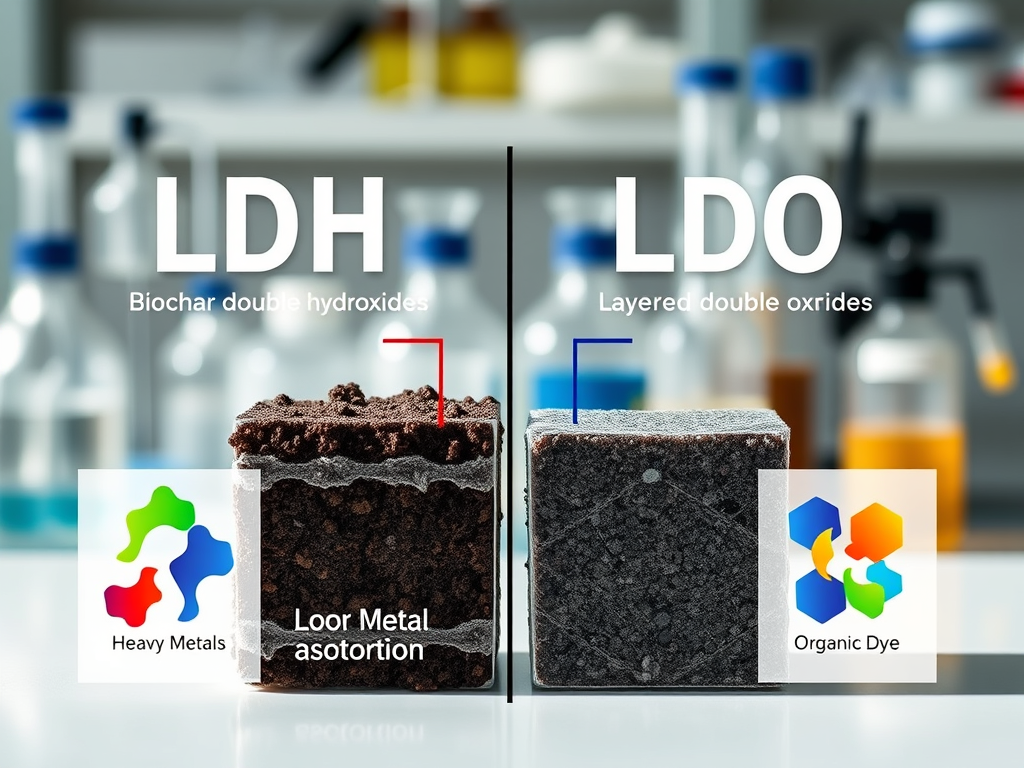
  • LDO Composites Outperform LDH for Dye Removal, Achieving Adsorption Capacities up to 4841 mg/g

    LDO Composites Outperform LDH for Dye Removal, Achieving Adsorption Capacities up to 4841 mg/g

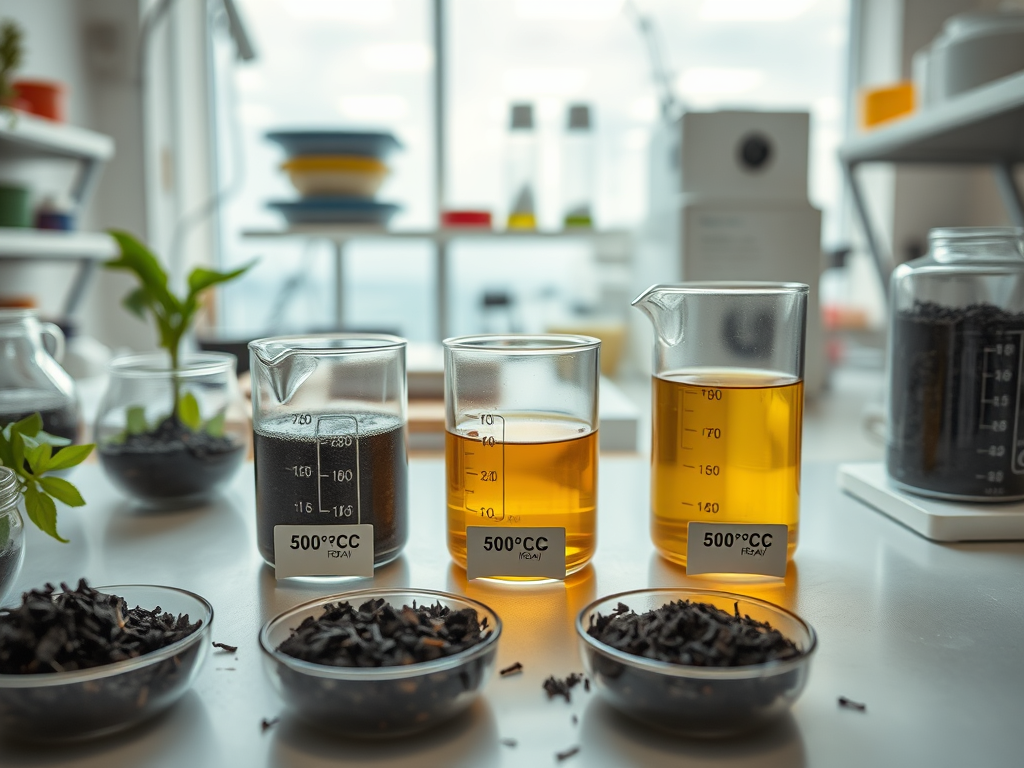
  • Optimized Biochar from Tea Waste Achieves 82.66% Pollutant Removal, With RNN Model Predicting Performance at an R2 of 0.960

    Optimized Biochar from Tea Waste Achieves 82.66% Pollutant Removal, With RNN Model Predicting Performance at an R2 of 0.960

  • Biochar Boosts Fine-Grained Soil Infiltration by Up to 8.4% and Removes 90% of Stormwater Pollutants Initially

    Biochar Boosts Fine-Grained Soil Infiltration by Up to 8.4% and Removes 90% of Stormwater Pollutants Initially

  • Biochar’s Leap: Element Doping Boosts Adsorption by up to 17.8x and Sustains 98% Supercapacitor Capacity Over 15,000 Cycles

    Biochar’s Leap: Element Doping Boosts Adsorption by up to 17.8x and Sustains 98% Supercapacitor Capacity Over 15,000 Cycles

1 2 3 … 8
Next Page
  • LinkedIn
  • X
  • Facebook
  • Instagram
  • Reddit
  • Spotify
  • RSS Feed

GET THE NEWSLETTER

By clicking subscribe, you agree to share your email address with the site owner and Mailchimp to receive marketing, updates, and other emails from the site owner. Use the unsubscribe link in those emails to opt out at any time.

Processing…
Success! You're on the list.
Whoops! There was an error and we couldn't process your subscription. Please reload the page and try again.
  • Resources
  • Glossary
  • Partner Directory
  • About
  • Editorial Guidelines
  • Contact
  • Privacy Policy
  • Disclaimer


Loading Comments...