
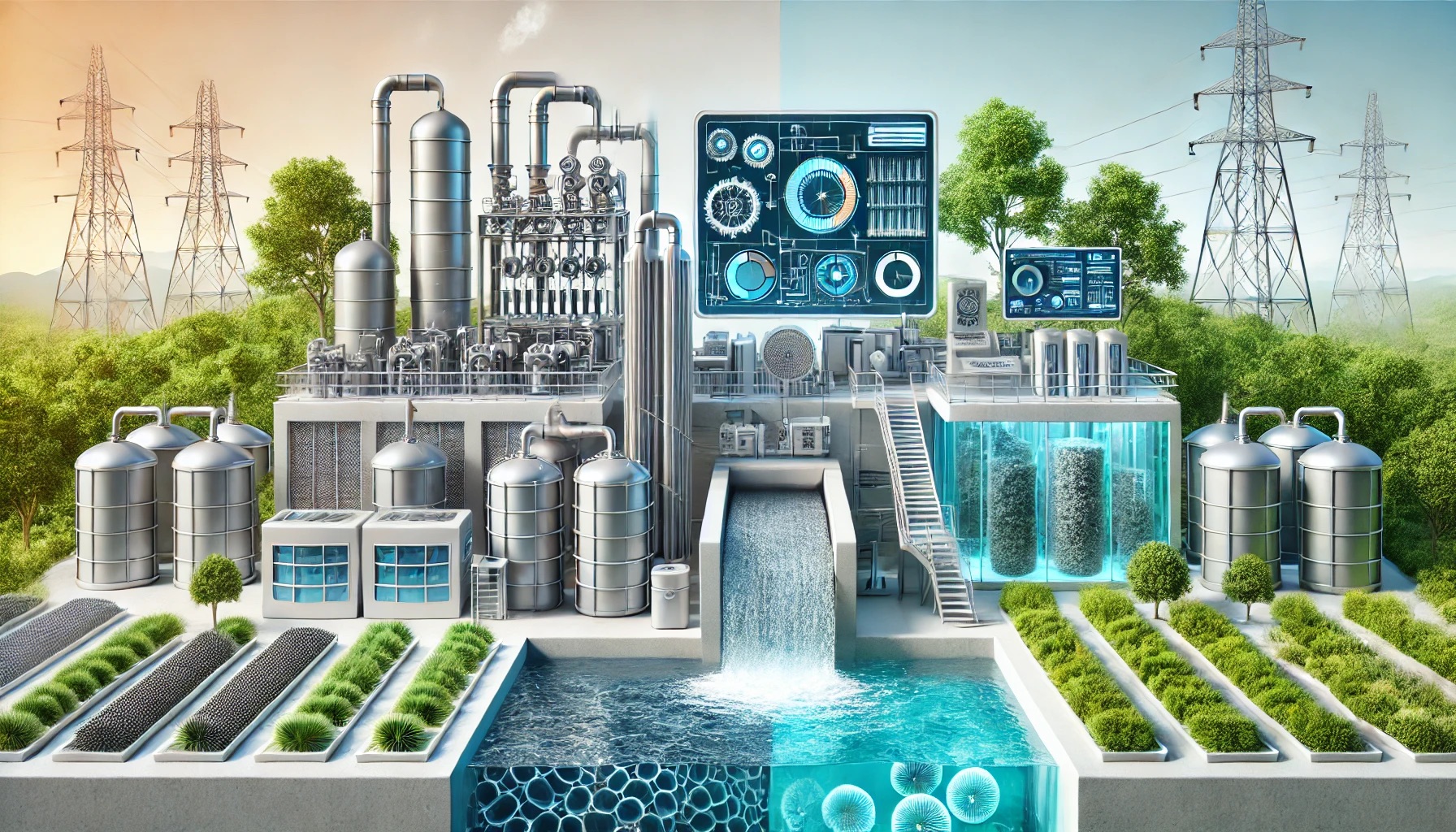

In the quest for sustainable development, minimizing environmental impact and cost in water and wastewater treatment is crucial. Traditional methods like coagulation and membrane filtration are often expensive and inefficient. Recently, biochar—a product of thermochemical conversion of biomass—has emerged as a promising alternative for water remediation. This review explores the optimization of biochar production and application through machine learning (ML) and artificial intelligence (AI), offering insights into their benefits and challenges.
Biochar’s effectiveness in adsorbing pollutants is influenced by its surface area, porosityPorosity of biochar is a key factor in its effectiveness as a soil amendment and its ability to retain water and nutrients. Biochar’s porosity is influenced by feedstock type and pyrolysis temperature, and it plays a crucial role in microbial activity and overall soil health. Biochar More, functional groups, and the characteristics of the contaminants. Factors such as the solution’s pHpH is a measure of how acidic or alkaline a substance is. A pH of 7 is neutral, while lower pH values indicate acidity and higher values indicate alkalinity. Biochars are normally alkaline and can influence soil pH, often increasing it, which can be beneficial More, temperature, and the presence of competing ions also play a role. By leveraging AI and ML, researchers can optimize these variables to enhance biochar’s efficiency, making the process more cost-effective and faster.
This review highlights significant progress in using biochar for removing organic and inorganic pollutants, focusing on the role of ML in fine-tuning adsorption processes. The integration of computational techniques like decision trees and artificial neural networks with biochar production can model complex relationships and predict optimal conditions for pollutant removal.
Despite the potential, challenges remain in the widespread adoption of ML and AI in water treatment using biochar. Future research aims to address these challenges, making these technologies more economically viable and sustainable. The review underscores the importance of continued exploration in this multidisciplinary field to achieve cleaner water and better sanitation, aligning with sustainable development goals.




Leave a Reply