
Key Takeaways
- A new research project funded by the federal government aims to convert surplus storm-damaged timber into biocharBiochar is a carbon-rich material created from biomass decomposition in low-oxygen conditions. It has important applications in environmental remediation, soil improvement, agriculture, carbon sequestration, energy storage, and sustainable materials, promoting efficiency and reducing waste in various contexts while addressing climate change challenges. More.
- Severe ice storms in northern Michigan generated an overwhelming volume of fallen wood that local timber markets could not absorb.
- Converting excess wood through heating with limited oxygen locks carbon into the material and prevents environmental release.
- The resulting biochar product can be used to improve agricultural soil health, enhance moisture retention, and build local resilience.
- Public workshops, logger trainings, and economic assessments will support the expansion of regional markets for sustainable biochar production.
Severe ice storms in early 2025 swept across northern Michigan, bringing down power lines, closing roads, and causing unprecedented damage to local forests. State and federal emergency declarations followed as countless trees snapped under the heavy weight of ice, leaving behind a historic cleanup effort. While local forestry enterprises worked diligently to salvage traditional wood products like framing lumber, the sheer volume of debris quickly saturated existing market capacity. Forest product networks could no longer absorb the massive surplus of fallen timber, prompting researchers to seek alternative management strategies for the unused wood.
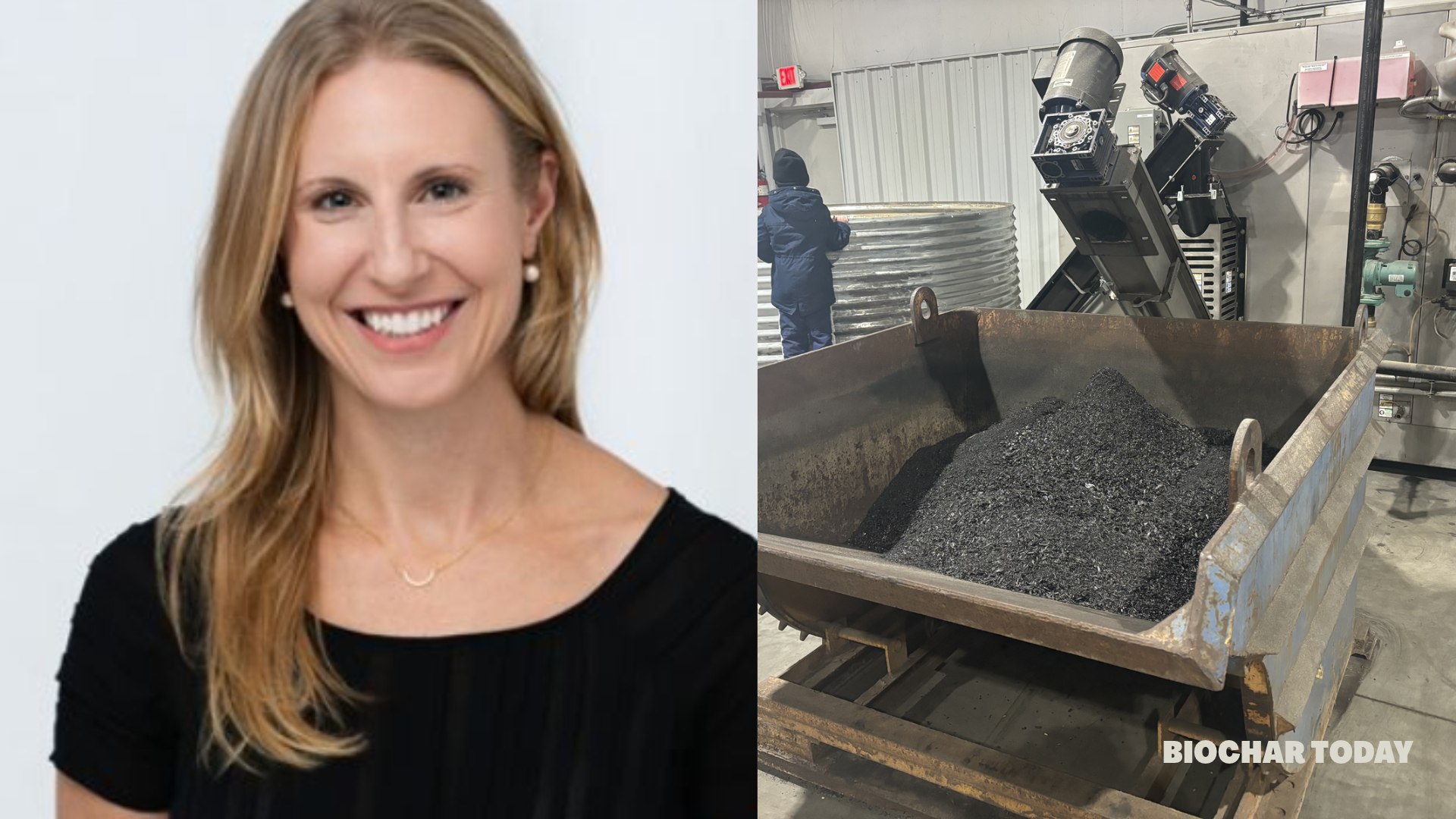
To address this surplus, the initiative focuses on converting excess biomassBiomass is a complex biological organic or non-organic solid product derived from living or recently living organism and available naturally. Various types of wastes such as animal manure, waste paper, sludge and many industrial wastes are also treated as biomass because like natural biomass these More into biochar through a thermal process known as pyrolysisPyrolysis is a thermochemical process that converts waste biomass into bio-char, bio-oil, and pyro-gas. It offers significant advantages in waste valorization, turning low-value materials into economically valuable resources. Its versatility allows for tailored products based on operational conditions, presenting itself as a cost-effective and efficient More. This method heats organic material at high temperatures in an environment with little or no oxygen, transforming loose wood waste into stable black carbon. Instead of releasing the stored carbon back into the atmosphere through decomposition or open burning, the pyrolysis process permanently locks a significant portion of the carbon into the solid char structure. This transformation turns a bulky forestry burden into a stable, high-value material that can be integrated into regional agricultural systems.
The research project serves a dual purpose by first identifying and overcoming logistical barriers associated with processing storm-damaged timber and subsequently establishing reliable distribution channels for the final product. Investigators plan to conduct economic impact assessments, biochar testing, public workshops, and targeted training sessions for local loggers. By collaborating with agricultural producers, compost operators, and community leaders, the project aims to demonstrate how biochar can enhance regional soil health, increase resilience against drought and flooding, and generate new economic revenue streams for landowners.
Integrating biochar into regional soil management practices also strengthens local circular bioeconomy frameworks by keeping biological resources within community supply chains. Urban gardeners, local farms, and agricultural networks can blend the carbon material into compost recipes to improve nutrient retention and soil fertility. Furthermore, monetizing the carbon removal benefits through verified emission-reduction units offers additional economic incentives for producers and end users. Ultimately, this research initiative provides a practical model for managing natural disaster debris while advancing sustainable environmental solutions across the region.
Source: Falinski, J. (2026). MSU research explores new use for northern Michigan’s storm-damaged timber. Michigan State University AgBioResearch. https://www.canr.msu.edu/news/msu-research-explores-new-use-for-northern-michigan-s-storm-damaged-timber


Leave a Reply