
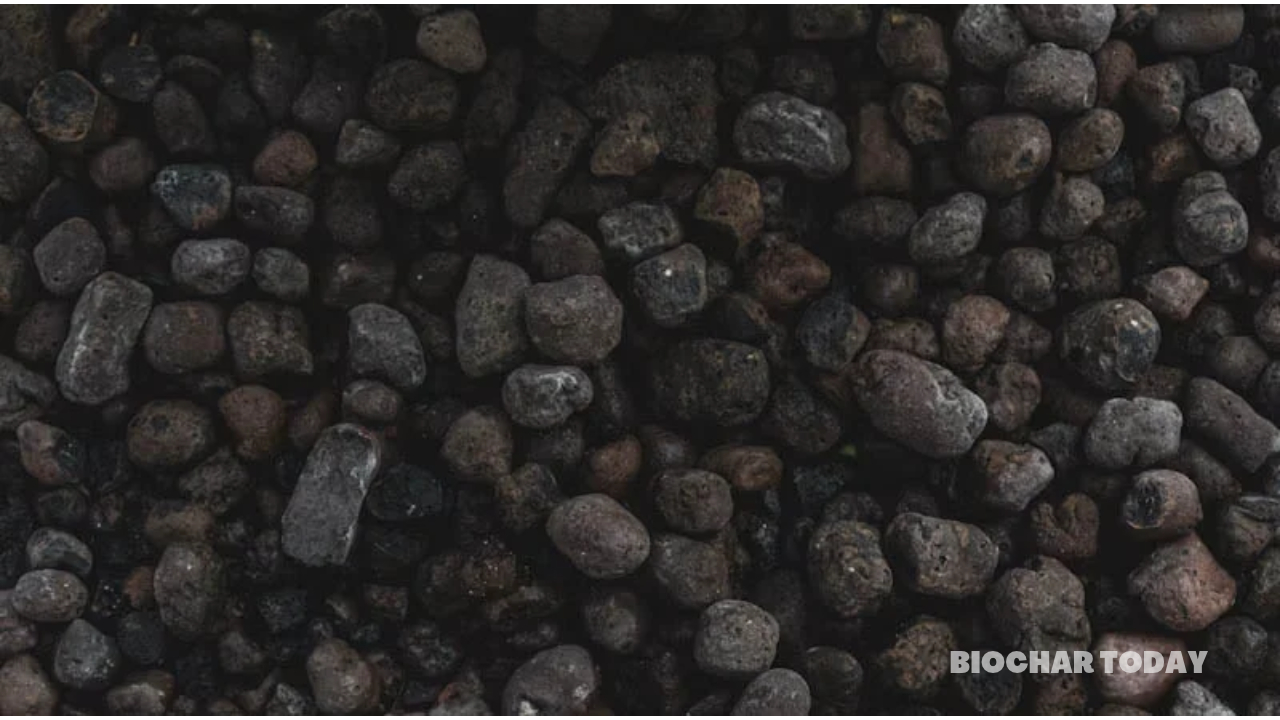
Researchers at Ocean University of China and Shihezi University have demonstrated that co-applying corn straw biocharBiochar is a carbon-rich material created from biomass decomposition in low-oxygen conditions. It has important applications in environmental remediation, soil improvement, agriculture, carbon sequestration, energy storage, and sustainable materials, promoting efficiency and reducing waste in various contexts while addressing climate change challenges. More with native plant residue increases stable carbon accumulation in degraded coastal soils across China. Published in the journal Biochar, the 370-day microcosm study analyzed soil from the Yellow River Delta near Dongying in Shandong province. The investigators found that combining these two locally available amendments yielded a 23% greater gain in total soil organic carbon than the sum of their individual applications.
Coastal agricultural zones frequently suffer from seawater intrusion and poor drainage, leaving soils too saline for conventional crop production. High salinity and sodium levels restrict soil microbial activity and limit the capacity of degraded land to retain organic matter. The researchers sought a cost-effective, localized method to restore soil carbon pools without relying on expensive external inputs or leaving agricultural crop waste to be burned.
To address this problem, the team collected salt-affected coastal soil and incubated it under normal and waterlogged moisture regimes across four distinct treatments: an untreated control, biochar alone, native plant litter alone, and a combined application. The researchers produced the biochar by pyrolyzing corn straw at 450 degrees Celsius, then paired it with litter from Suaeda salsa, a salt-tolerant plant native to the Chinese coast. Throughout the incubation period, the team tracked lignin phenols to measure plant-derived carbon and microbial necromass carbon to assess long-term microbial carbon stabilization.
The combined treatment generated synergistic results rather than simple additive gains. Soil treated with both amendments accumulated 22% to 41% more lignin phenols and up to 233% more bacterial necromass carbon than soil receiving plant litter alone. Furthermore, the gain in recalcitrant organic carbon exceeded the combined sum of the single treatments by 40%. By easing sodium stress and improving nutrient availability, the biochar enabled bacteria to process the plant residue more efficiently and convert it into durable necromass rather than releasing carbon dioxide. While the authors note that open-field trials are still required to account for tidal cycles and weather, the laboratory results confirm the carbon-storage potential of pairing crop-waste biochar with native halophytes.




Leave a Reply