Skip to content
LinkedIn
X
Facebook
Instagram
Reddit
Spotify
RSS Feed
Search
News
Blog
Industry Insights
Expert Profiles
Biochar Decoded
Ask Annie
Announcements
Podcast
Videos
Insights
Use Cases
Agriculture
Horticulture
Livestock
Landscaping
Building Materials
Concrete / Asphalt
Reforestation
Soil Remediation
Water Treatment
Carbon Sequestration
About
About Biochar Today
Partner Directory
Editorial Guidelines
Contact
soil organic carbon
Biochar Boosts Mediterranean Soil Organic Carbon Stocks by Thirty-Nine Percent While Cutting Nitrous Oxide Emissions
Climate Change-Induced Extreme Weather Events Cause Shifts in Soil Organic Carbon Input, Microorganism Activity, and System-Wide Retention Across Global Ecosystems
Optimizing Rice Husk Biochar Application Rates Enhances Soil Carbon Sequestration and Increases Wheat Yield by Up to Sixty Four Percent
Quantitative Insights into Engineered Sulfur and Biochar Amendments for Soil Restoration
Soil Fungi Drive Up to 14.4-Fold Higher Carbon and Nitrogen Gains in Nutrient-Poor Urban Greenspaces
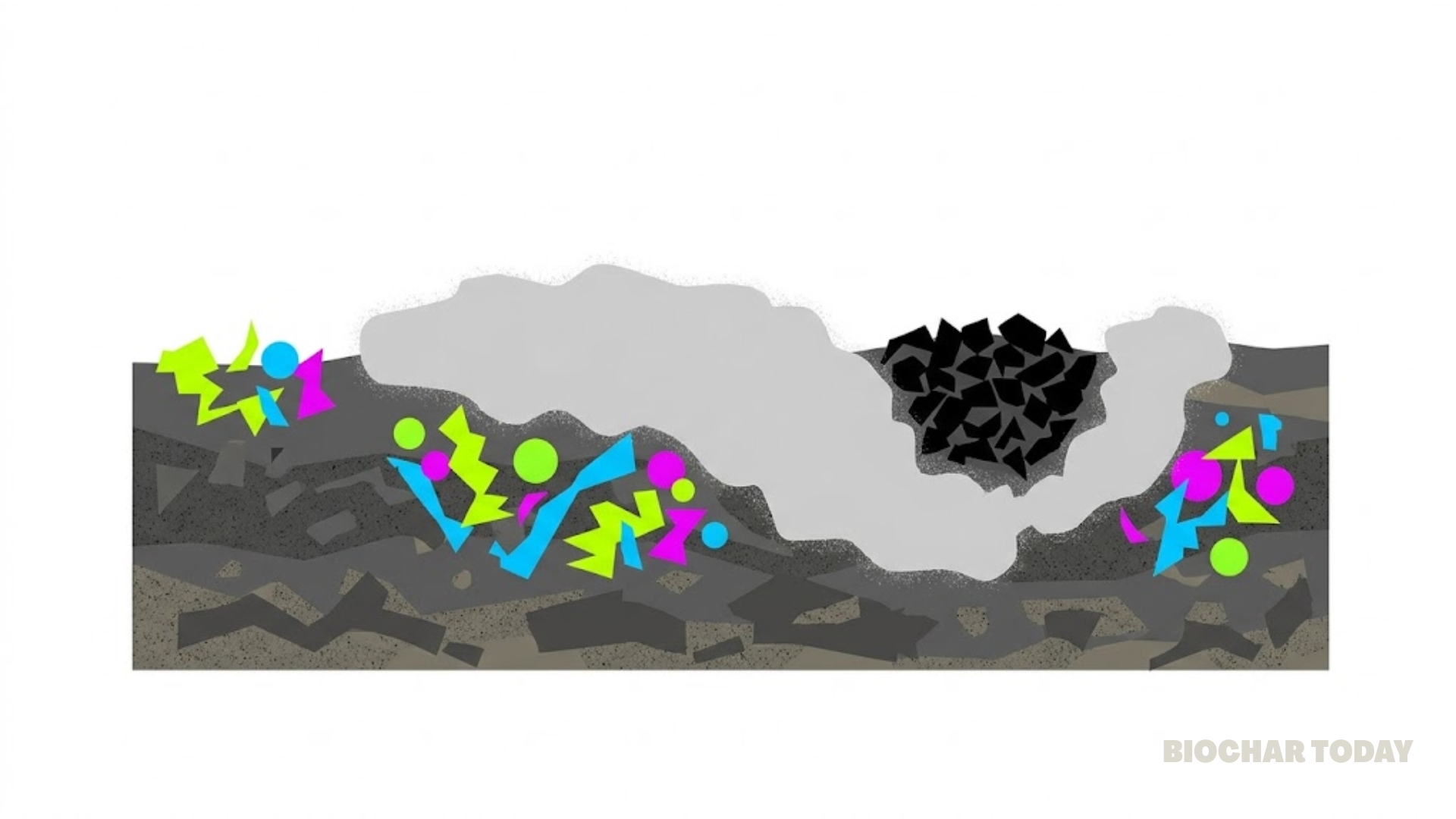
Microplastics Can Inflate Apparent Soil Organic Carbon Estimates by 3 to 15 Megagrams per Hectare and Compromise Biochar Sequestration Accounting
Biochar-Derived Hydroxyl Radicals Suppress Soil Respiration by 12.9 Percent in Acidic Soils While Soil Priming Dominates in Neutral Soils
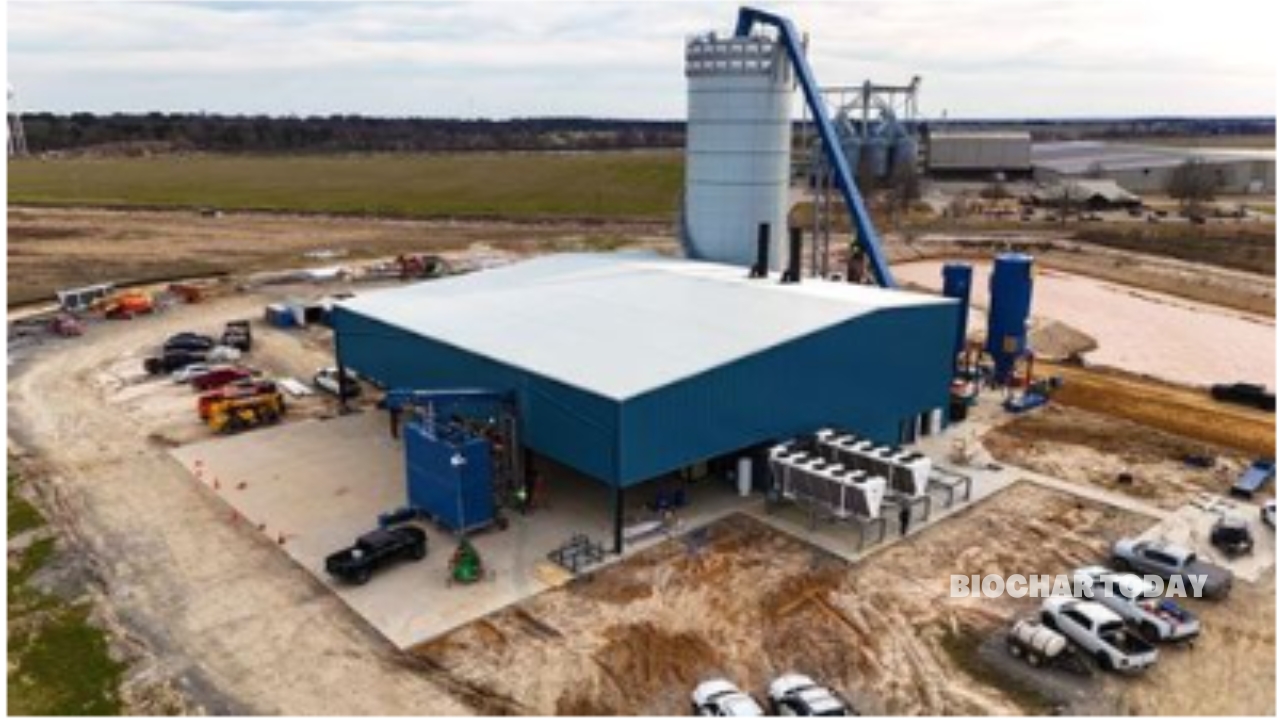
Cold Steppe Deploys $15 Million Arkansas Biochar Facility to Convert Rice Hulls into Commercial Soil Amendments
UAS-Bangalore, RKVY, and KVK Deploy Low-Cost Kiln Technology Across Karnataka to Enhance Soil Health and Increase Crop Yields
Selective Biochar Applications under Specific Environmental Stress Conditions Reduce Nitrous Oxide Emissions by Up to 70 Percent While Optimizing Crop Resilience in Degraded Soils
1
2
3
…
11
Next Page
Loading Comments...
Write a Comment...
Email (Required)
Name (Required)
Website