
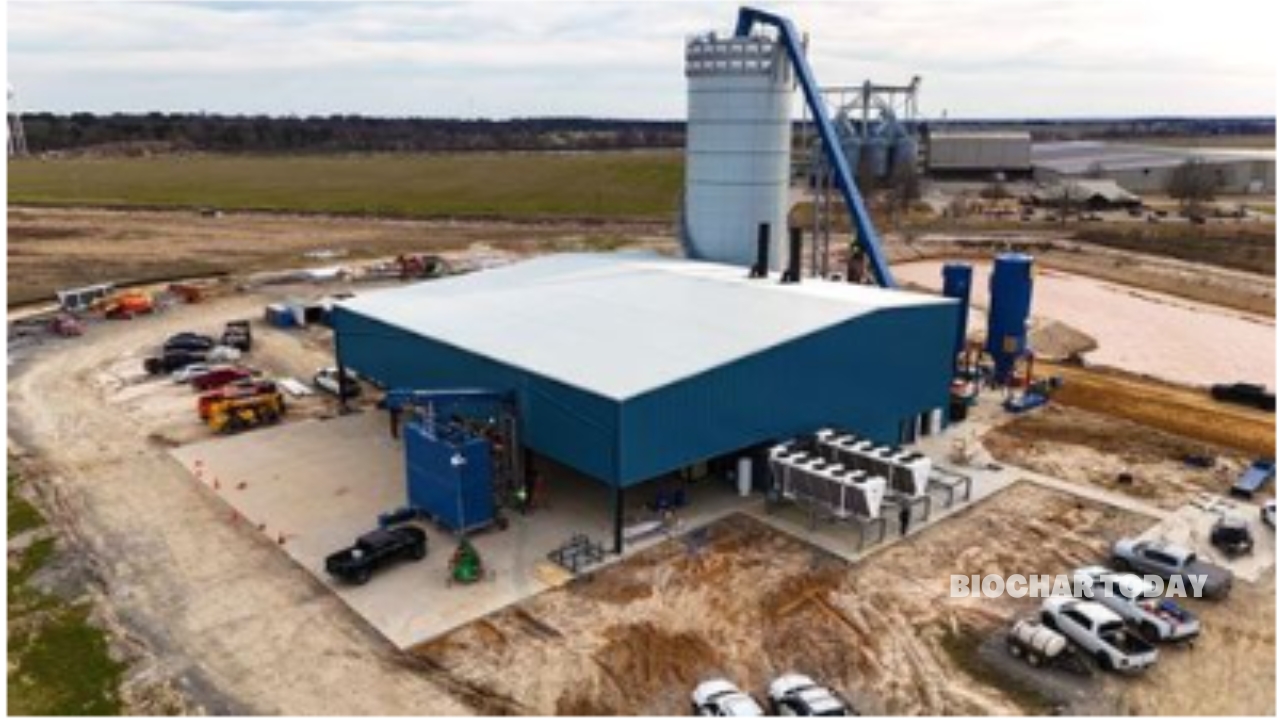
Cold Steppe, a United States biocharBiochar is a carbon-rich material created from biomass decomposition in low-oxygen conditions. It has important applications in environmental remediation, soil improvement, agriculture, carbon sequestration, energy storage, and sustainable materials, promoting efficiency and reducing waste in various contexts while addressing climate change challenges. More venture founded by former U.S. Navy submariners Kevin Crow and Matt Freniere, has established an industrial-scale biochar production facility in Stuttgart, Arkansas. Following its incorporation in September 2024, the enterprise secured $15 million in financing in June 2025 to construct a four-kiln processing plant designed to convert agricultural residuals into functional carbon products. By establishing operations in the nation’s leading rice-producing state, Cold Steppe connects regional agricultural waste streams directly with commercial soil amendmentA soil amendment is any material added to the soil to enhance its physical or chemical properties, improving its suitability for plant growth. Biochar is considered a soil amendment as it can improve soil structure, water retention, nutrient availability, and microbial activity. More markets through an energy-efficient manufacturing process.
The project addresses significant engineering and agronomic obstacles inherent to regional agricultural waste management and soil health. Utilizing rice hulls as a primary feedstockFeedstock refers to the raw organic material used to produce biochar. This can include a wide range of materials, such as wood chips, agricultural residues, and animal manure. More presents severe processing challenges because their naturally high silica content causes rapid mechanical wear on material handling machinery and tight-tolerance equipment. Simultaneously, agricultural producers in the region face long-term soil degradation, where decades of continuous farming have depleted soil organic carbon. Rebuilding this organic matter through conventional practices is a slow process that frequently results in diminishing crop returns.
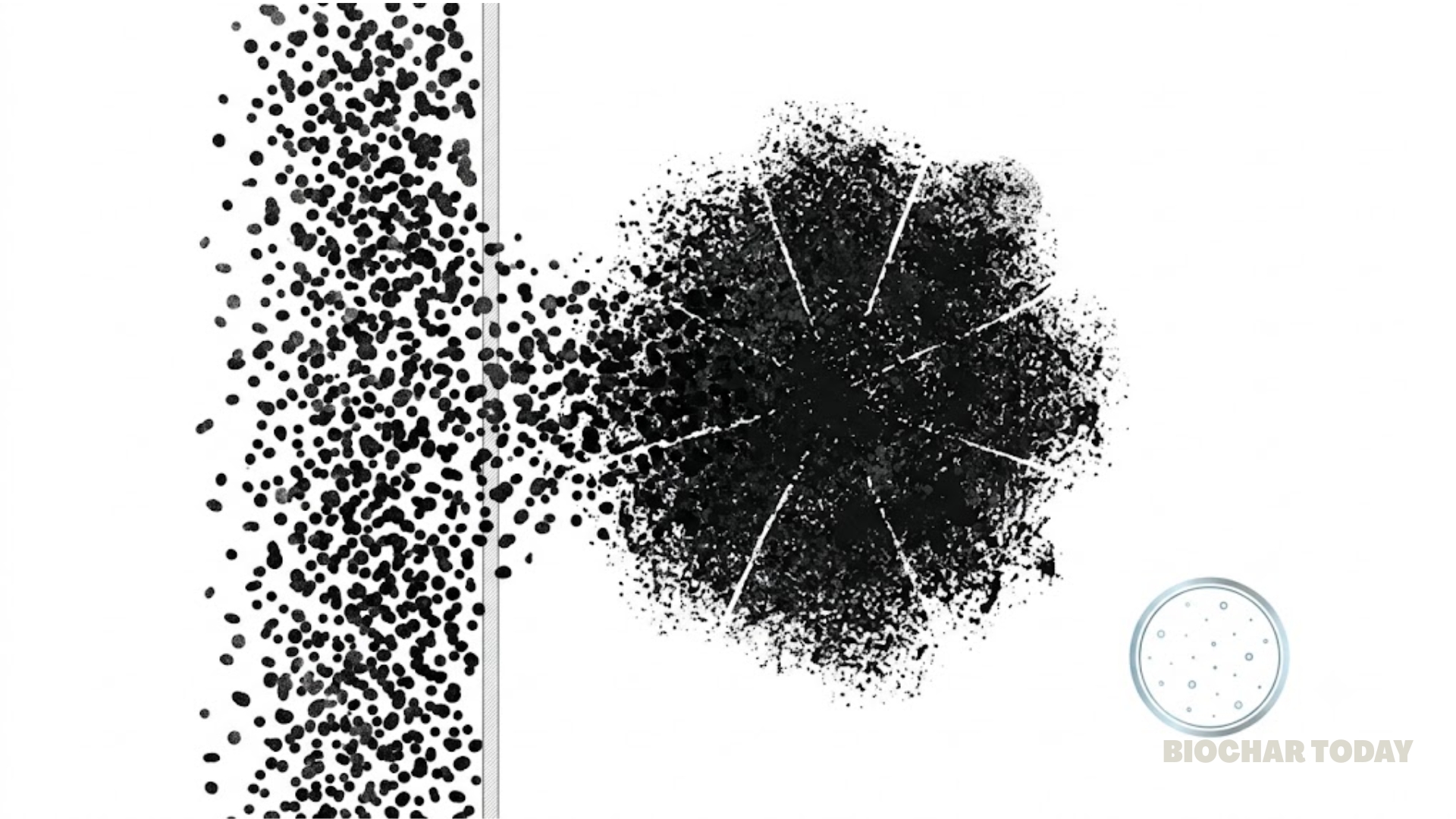
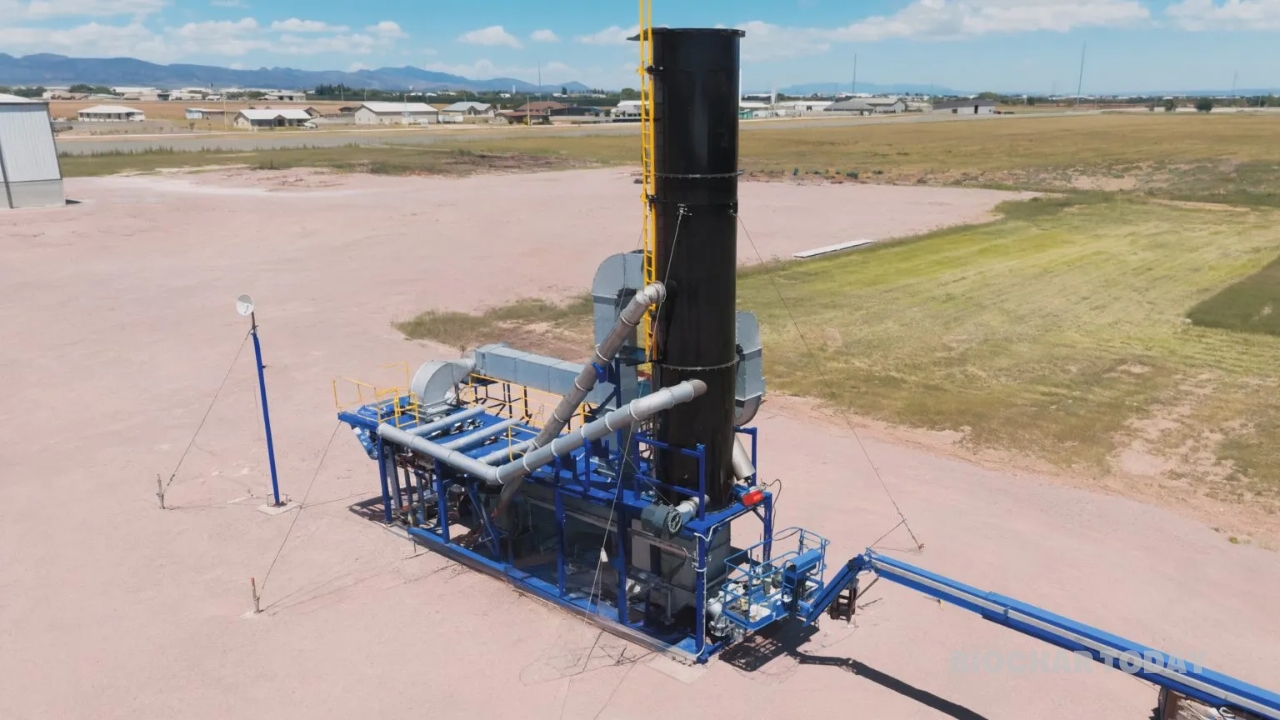
Cold Steppe resolved these operational and market challenges by applying nuclear submarine engineering principles to plant design, prioritizing simplified process flows, durable components, and maintainability. Working alongside specialized equipment suppliers, the company integrated heat exchangers, material conveyors, and energy production systems into a cohesive processing line. Furthermore, Cold Steppe intentionally designed its commercial strategy around agricultural applications, recognizing that high silica content in biochar delivers valuable agronomic benefits. The resulting biochar enhances both cation and anion exchange capacities in soil, improving fertilizer retention and soil moisture hold.
Having completed facility commissioning in December 2025, Cold Steppe currently operates two online kilns processing 20,000 tons of rice hull feedstock into 10,000 tons of biochar per year. By the end of 2026, the company plans to bring its third and fourth kilns online, doubling annual processing capacity to 40,000 tons of rice hulls to yield 20,000 tons of biochar. This industrial deployment provides Arkansas farmers with an accessible carbon matrix that improves photosynthetic rates and crop yields while creating a scalable model for agricultural waste valorization.



Leave a Reply