Skip to content
LinkedIn
X
Facebook
Instagram
Reddit
Spotify
RSS Feed
Search
News
Blog
Industry Insights
Expert Profiles
Biochar Decoded
Ask Annie
Announcements
Podcast
Videos
Insights
Use Cases
Agriculture
Horticulture
Livestock
Landscaping
Building Materials
Concrete / Asphalt
Reforestation
Soil Remediation
Water Treatment
Carbon Sequestration
About
About Biochar Today
Partner Directory
Editorial Guidelines
Contact
cation exchange capacity
Optimizing Rice Husk Biochar Application Rates Enhances Soil Carbon Sequestration and Increases Wheat Yield by Up to Sixty Four Percent
Combining 2% to 3% Corncob Biochar with Beneficial Soil Bacteria Enhances Arabica Coffee Seedling Stem Biomass and Soil Nutrient Retention Capacity
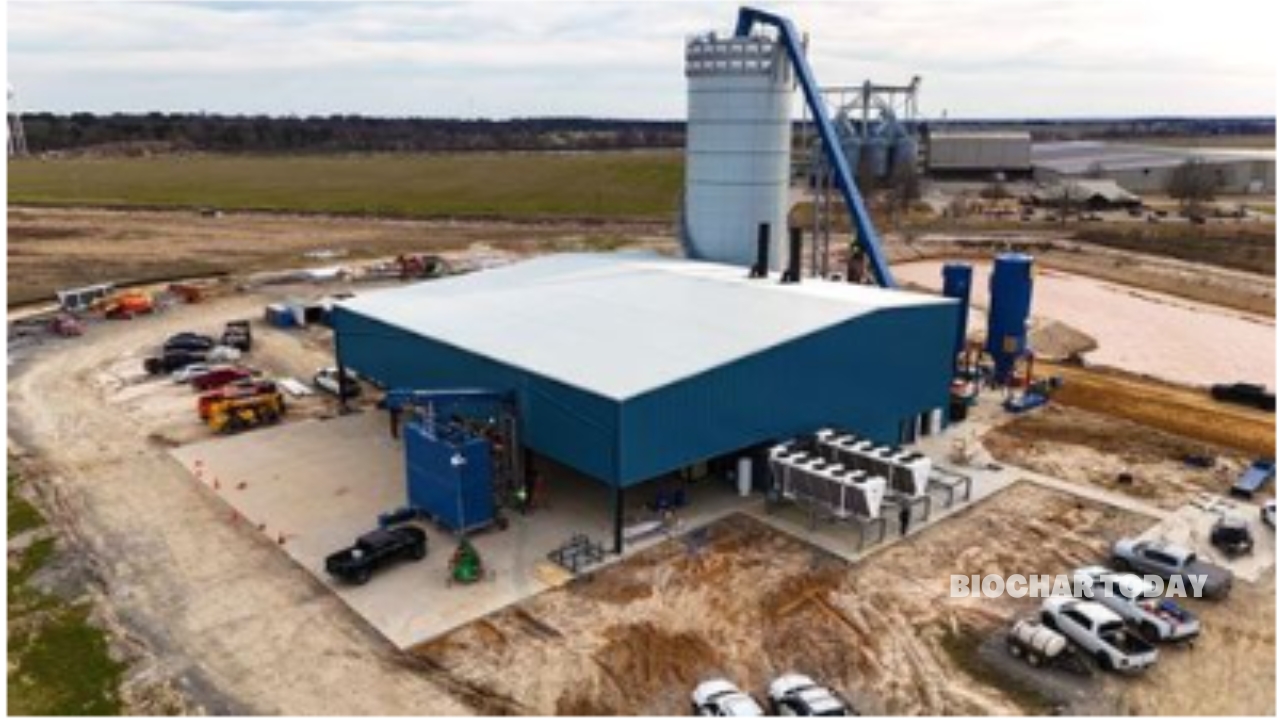
Cold Steppe Deploys $15 Million Arkansas Biochar Facility to Convert Rice Hulls into Commercial Soil Amendments
Corncob Biochar Applied at Three Percent Optimizes Subsoil Ammonium Retention but Escalates Nitrate Leaching at Higher Dosages
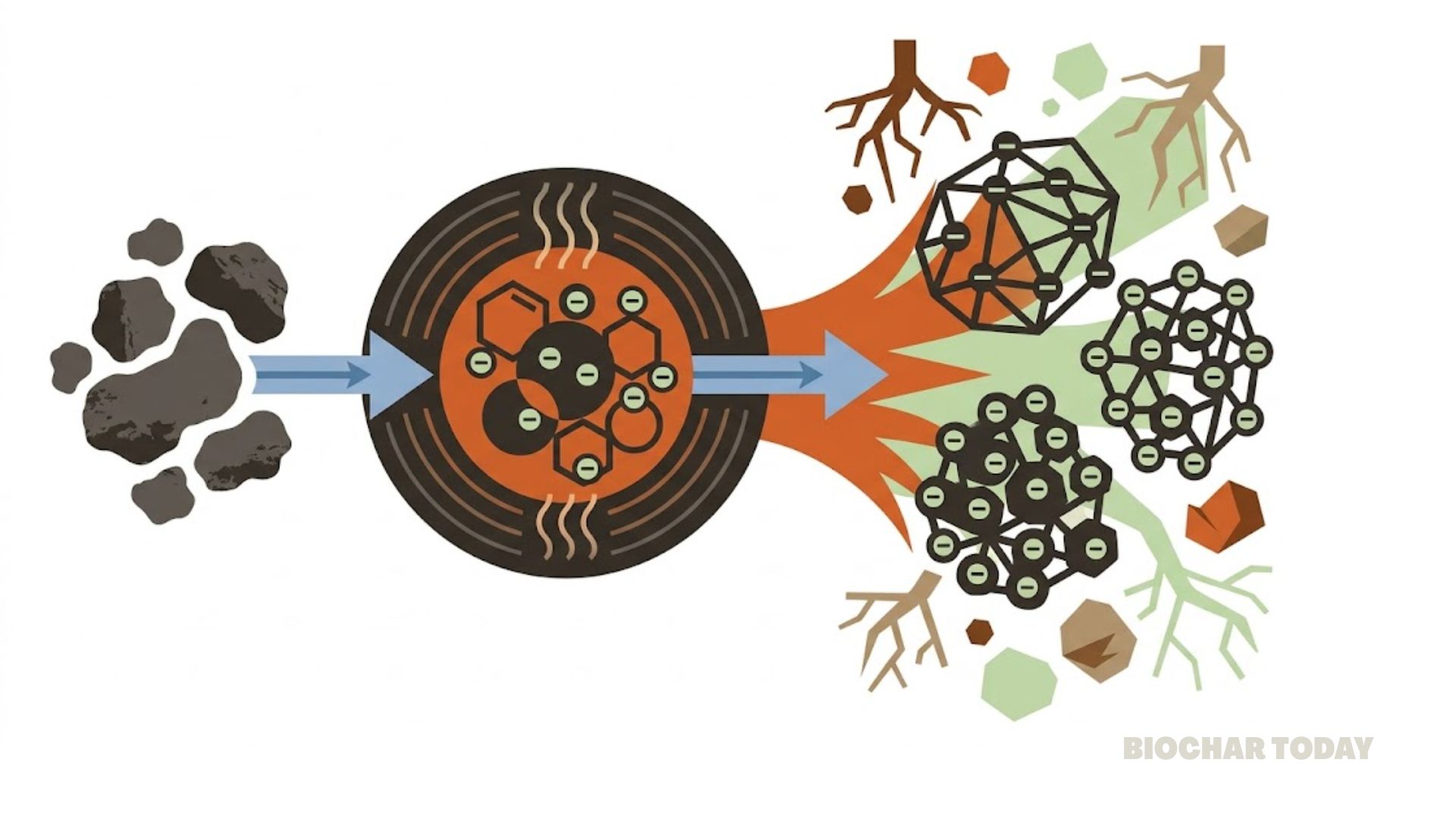
Quantitative Synthesis Reaffirming Nano-Scale Structural Upgrades and Associated Agronomic and Environmental Performance Metrics for Resilient Farming
Machine Learning Identifies Optimal Biochar Pyrolysis Temperatures and Physical Benchmarks to Maximize Soil Cation Exchange Capacity by Over Ninety-Six Percent
Chicken Litter Pyrolysis at 250 Degrees Celsius Increases Cation Exchange Capacity by Over 100 Percent
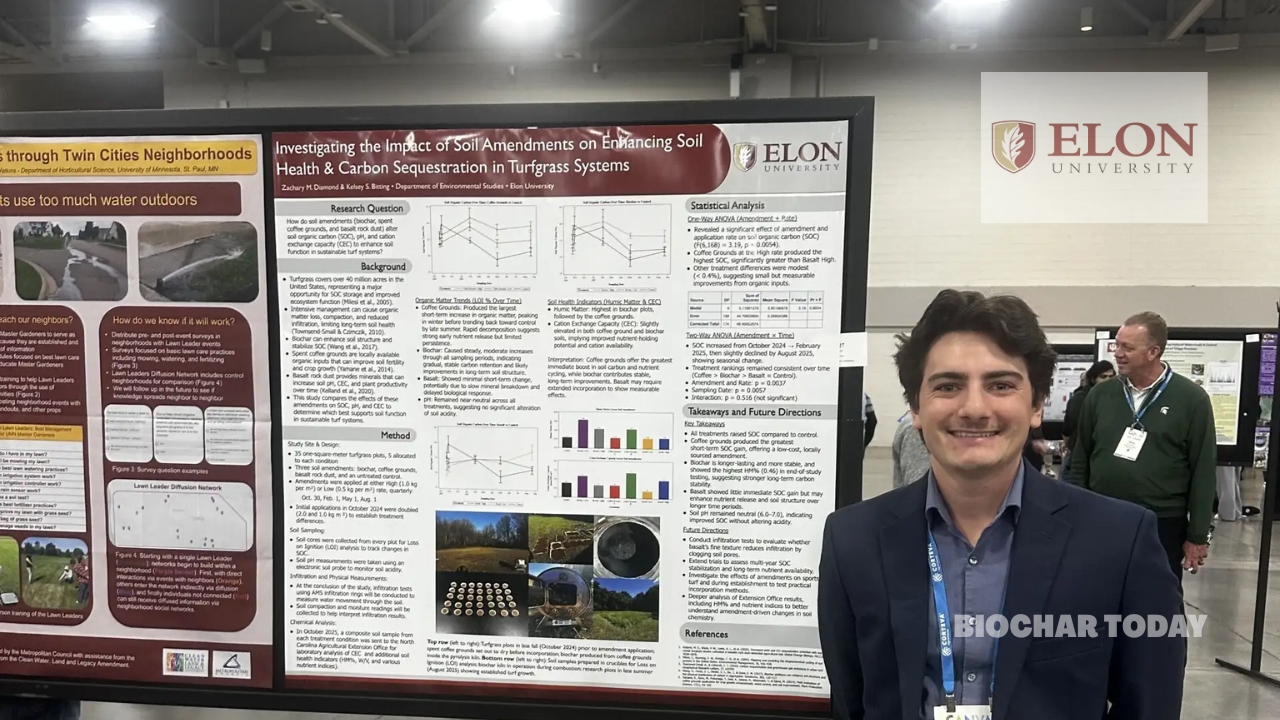
Elon University Sustainability Research Grants Facilitate Empirical Studies on Alternative Soil Amendments Including Biochar
Biochar Application Boosts Soil Potassium Availability by Up to 849 Percent
Biochar Application Rate of 15 tons/ha Maximizes Maize Yield Gains in Sandy Soils
1
2
3
…
6
Next Page
Loading Comments...
Write a Comment...
Email (Required)
Name (Required)
Website