

Song, L., Cheng, H., Liu, C. et al. Oyster shell facilitates the green production of nitrogen-doped porous biocharBiochar is a carbon-rich material created from biomass decomposition in low-oxygen conditions. It has important applications in environmental remediation, soil improvement, agriculture, carbon sequestration, energy storage, and sustainable materials, promoting efficiency and reducing waste in various contexts while addressing climate change challenges. More from macroalgae: a case study for removing atrazine from water.Biochar6, 76 (2024). https://doi.org/10.1007/s42773-024-00372-9
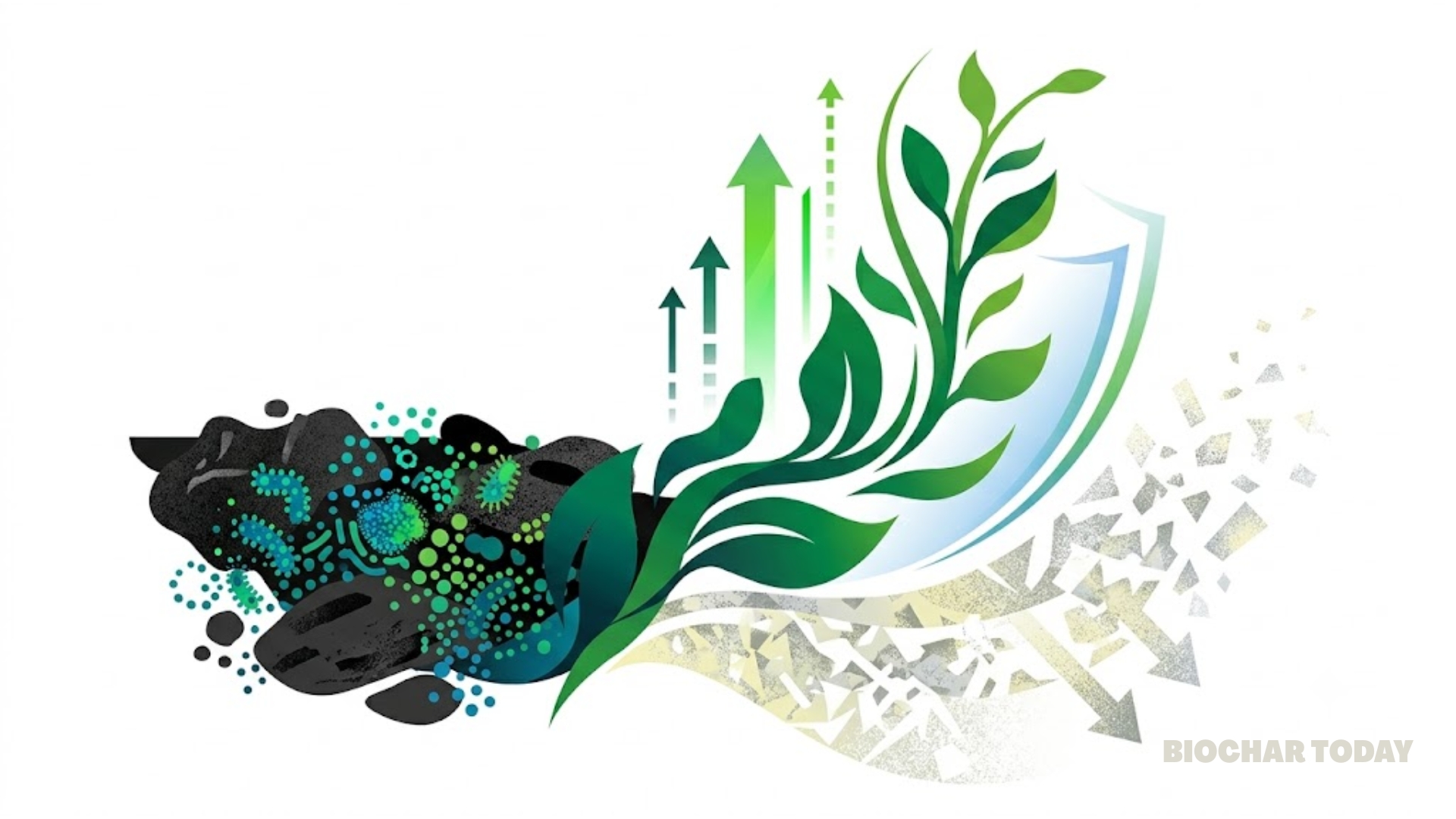
A new study explores an eco-friendly method for producing nitrogen-doped porous biochar using macroalgae and oyster shells. This biochar is highly effective in removing atrazine, a common herbicide that poses environmental risks due to its persistence in water. The research focuses on co-pyrolyzing two types of macroalgae—Enteromorpha prolifera and Ulva lactuca—with oyster shells, which contain calcium carbonate (CaCO3). The shells act as a natural activator, enhancing the biochar’s surface area and pore structure.
The resulting biochar shows a significant increase in surface area (up to 1501.80 m²/g), making it ideal for capturing atrazine through physical sorption mechanisms like pore filling and electrostatic interactions. The nitrogen doping process also improves the biochar’s ability to bond with contaminants, resulting in atrazine sorption capacities of up to 340.52 mg/g.
This method not only provides a cost-effective way to recycle marine and shell waste but also offers a promising solution for water treatment, particularly in removing hazardous organic pollutants like atrazine. The study emphasizes the biochar’s reusability, maintaining high sorption capacity even after multiple cycles of use. This research demonstrates the potential of using natural waste materials for sustainable environmental remediation.



Leave a Reply